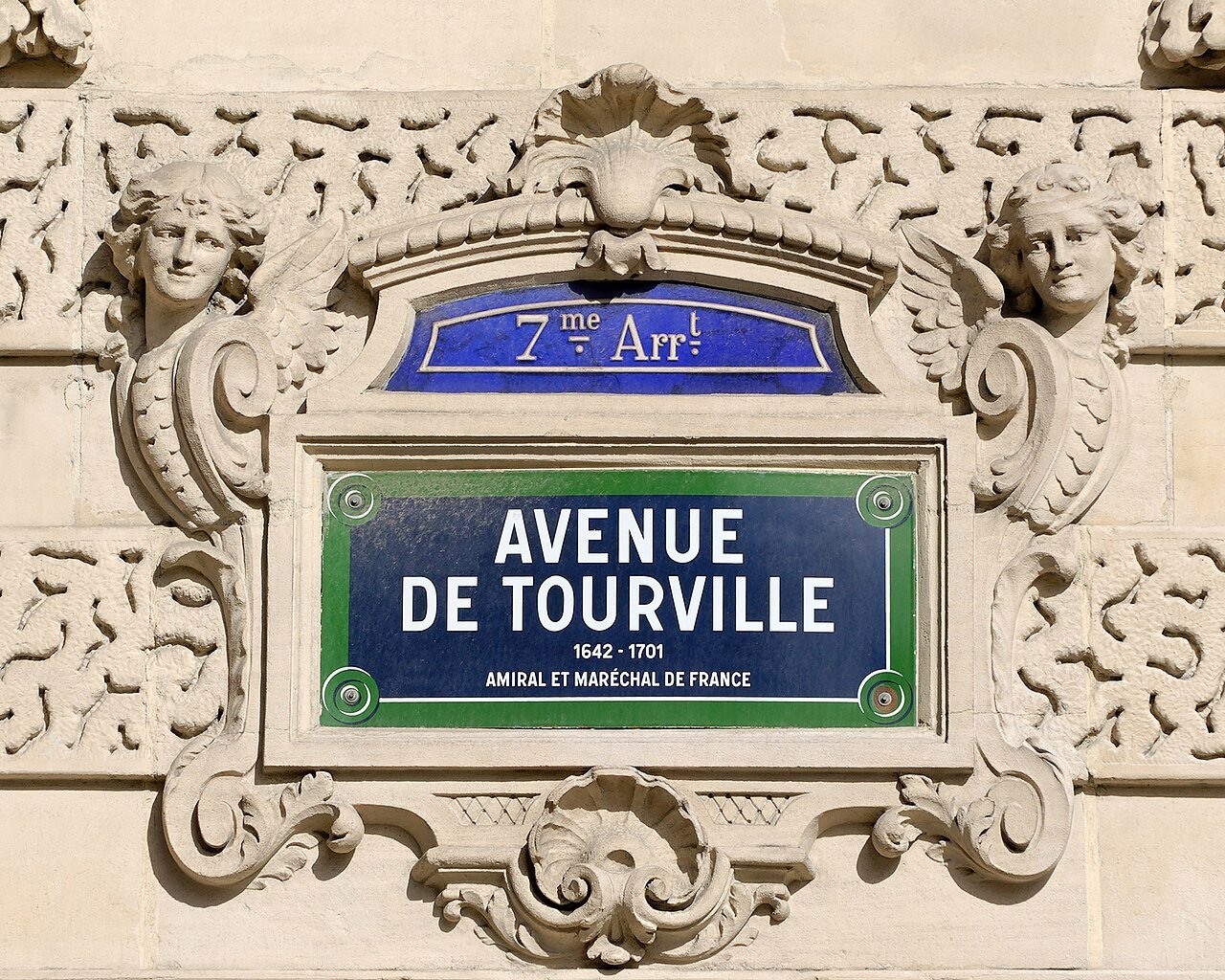

A street name can become so familiar that its meaning disappears into directions. Turn left, cross the square, meet outside the station. Then a proposal to change it makes the history visible again. What seemed like neutral geography becomes a decision someone made about remembrance.
Public commemoration works through repetition. A name enters addresses, maps, school routes, and ordinary speech. Its prominence does not guarantee that people know the story behind it, but it gives one story a place that countless others do not occupy.
Remembering and honoring are different acts
A city can document a historical figure without celebrating that person in its most prominent civic space. Conversely, removing a monument does not by itself create a fuller public understanding of the past. Those are separate tasks, requiring different kinds of work.
The useful debate concerns what a particular object is doing in a particular place. Is it a grave marker, a record, a tribute, or an expression of authority? Who commissioned it, and which audience was expected to recognize its message? The same image can acquire different meanings as the people around it change.
Make the decision part of the record
A change deserves an explanation that remains available after the argument fades. Keeping a record of the former name, the reasons for reconsideration, and the process used can help future residents understand the choice. Public memory need not rely on pretending that previous decisions never happened.
A city cannot give every life equal space on a map. It can make its choices more deliberate and open to scrutiny. The goal should be a public landscape whose meanings can be discussed, rather than one protected from questions by habit. Familiarity is a powerful attachment, but it is not the only reason a community may have for deciding what to honor.