,_Great_Otway_National_Park,_Beauchamp_Falls_--_2019_--_1271.jpg)
The word rewilding can suggest simply stepping back and letting a place become natural again. In practice, the decision to step back has a setting: land has owners, neighboring communities have needs, and ecosystems have histories that may limit what can return.
The International Union for Conservation of Nature’s account of rewilding discusses potential benefits alongside risks. Its framing emphasizes ecological recovery while recognizing that interventions need to be assessed in context. The term does not describe one identical action suitable for every landscape. [1]
Specify what is expected to change
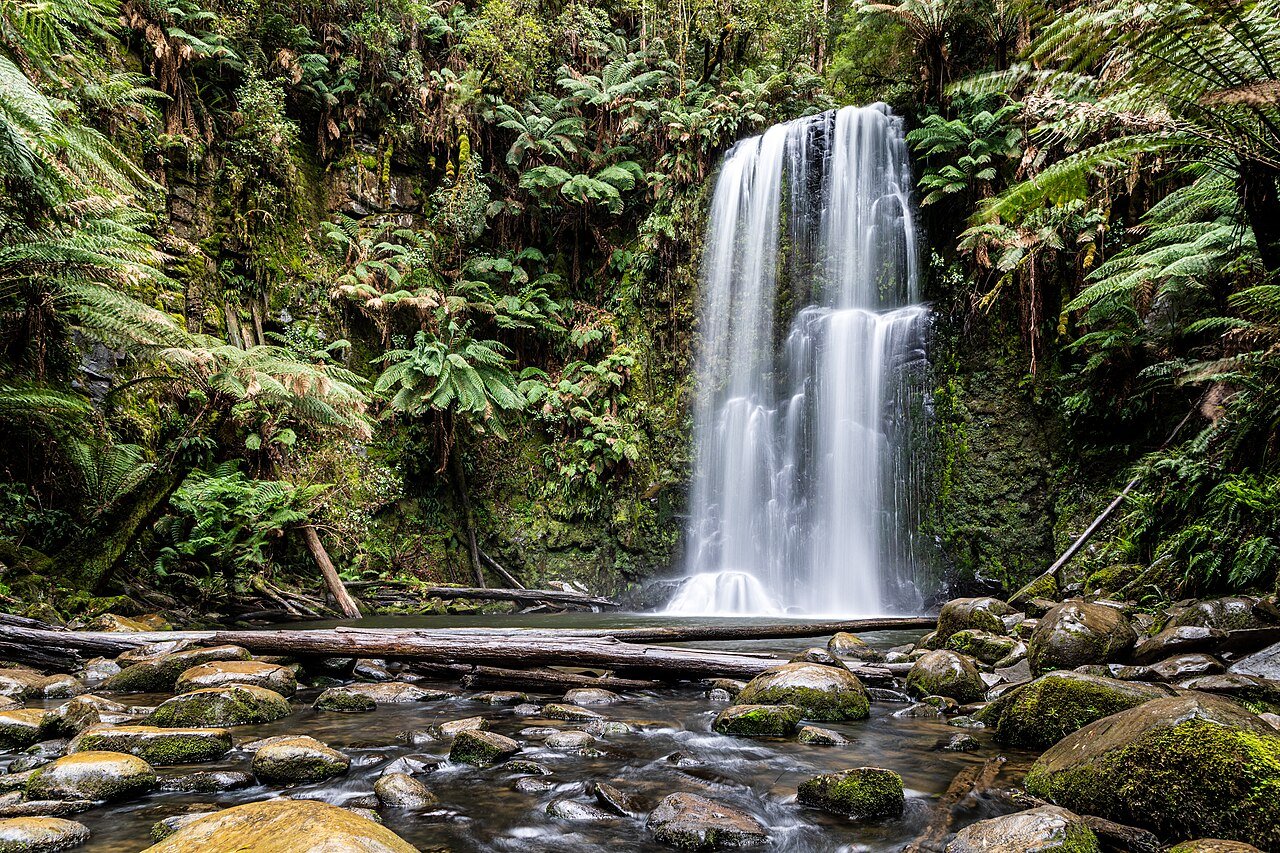
A project might seek changes in habitat, species relationships, or the freedom of a natural process to operate. Naming the objective makes it possible to ask whether the chosen action is appropriate and how its results will be recognized. A dramatic photograph cannot answer those questions alone.
The reference point also matters. A landscape may have passed through many different states. Deciding what recovery means requires explaining which conditions are being sought and why they remain plausible under present circumstances.
People are part of the setting
Communities may experience benefits and costs differently. Access, livelihoods, and perceived risks deserve a place in the process before a project is treated as settled. Participation should offer a way to influence decisions, not merely receive an explanation after they have been made.
Rewilding’s promise is most credible when ambitions, uncertainties, and responsibilities are visible together. Monitoring can reveal that an expectation was wrong or that an approach needs revision. That is part of managing a living system. Giving nature more room is a serious objective; making the room fairly and understanding what happens within it are equally serious parts of the work.