Listen to this article
Take the story with you. Choose a voice and a pace that suits you.
Or listen in another language / choose a voice
Getting your device voices ready…
The voice follows the displayed language and your browser’s regional preference when available. You can choose another narration voice.
The COP31 35 by 35 electrification pledge is the clearest test of whether this year’s climate summit in Antalya is really different. From 9 to 20 November, representatives of more than 190 countries will gather in Antalya, Türkiye, for the thirty-first Conference of the Parties, and the hosts have billed it as the “implementation COP” — less about new promises, more about keeping the ones already made (UN News). Information verified through 7 November 2026.
The flagship goal is specific. COP31 President Murat Kurum has put forward a voluntary pledge to raise electricity’s share of total energy consumption to 35 percent by 2035, up from 23 percent today (Council on Foreign Relations). In practice that means pushing electricity into cars, boilers and factories that still burn oil and gas directly (350.org).
Why now? The backdrop has turned stark. Scientists confirmed in 2026 that the world is on track to exceed the Paris Agreement’s 1.5°C threshold, in a year of catastrophic floods, deadly heatwaves and prolonged droughts, with a powerful El Niño expected to intensify impacts (UN News). Keeping warming well below 2°C would require emissions to fall 18 percent by 2030 and 45 percent by 2035, compared with 2025 levels (Council on Foreign Relations).
COP31 35 by 35 electrification pledge: what signing up actually means
The pledge is voluntary, and its text carries a wrinkle that campaigners have seized on. Governments signing on would commit to increasing electricity’s share of total energy consumption to 35% globally by 2035, in line with “pathways consistent with keeping 1.5C alive”, but the text says electricity should come from “diverse and sustainable energy sources” without explaining what those sources are (Climate Home News briefing). The goal is described as complementary to expanding renewable energy and improving efficiency, with the “use of clean electricity” varying by national circumstances.
That vagueness is the argument in miniature. Kurum has said making electrification more widespread — through electric vehicles and heat pumps — will “automatically” cut fossil fuel use. Many campaigners disagree. On Energy Day, 10 November, the presidency is expected to launch the pledge and reveal the signatories; Australia is on the list, European countries are likely to back it, India could well say no, and China is a maybe.
COP31’s other priorities underline the same tension: turning commitments into bankable projects, mobilising finance, strengthening adaptation and protecting oceans (BBVA).
The implementation COP: turning climate commitments into bankable projects
The mechanism for delivery has a name: the Climate Implementation Bridge. Rather than drafting new national climate plans, COP31 will prioritise turning existing commitments into investment roadmaps, connecting national priorities with sources of finance through a regulatory and technical platform — explicitly not a new climate fund (BBVA).
UN climate adviser Selwin Hart has campaigned, in his own words, to rename the Action Agenda the Implementation Agenda, and told UN News that the expectation of one grand deal at each COP “is not realistic” (UN News). The summit will also launch the second global stocktake, the Paris Agreement’s formal process for assessing collective progress, while the IPCC has failed to agree when its next set of working-group reports will be finalised, after member states could not agree a timeline in October (Council on Foreign Relations).
One absence hangs over Antalya. The United States, the world’s second-largest and historically biggest emitter, formally withdrew from the Paris Agreement at the start of this year and will not send an official delegation, though members of Congress and US businesses will still attend (Council on Foreign Relations). The hosting is split, too: Türkiye presides, while Australia leads the negotiations, working closely with Pacific Island countries (UN News).
Clean energy is winning the technology race, and losing the money race
Here is the paradox Hart keeps returning to. The tools exist and are getting cheaper fast. Ten years ago fewer than one in 100 new cars sold worldwide was electric; in 2025 it was one in four, expected to reach 28 per cent in 2026 (UN News). The world added more than 600 gigawatts of solar capacity in 2025, over three-quarters of new renewable power capacity, and global battery storage capacity is now 11 times higher than in 2021 (UN News).
The money does not follow the technology. Emerging and developing economies outside China, home to nearly two-thirds of the world’s population, received just 18 per cent of global clean energy investment in 2025 (UN News). Around 600 million people in Africa still lack electricity, and financing a renewable project in a developing country can cost several times more than in a wealthy one — same technology, different price (UN News).
Finance will likely be the most contentious item on the formal agenda. Developing nations will keep pressing for delivery on the COP29 goal to mobilise at least $300 billion per year in climate finance by 2035 and the COP30 call to at least triple adaptation finance over the same period; developed countries provided and mobilised a record $136.7 billion in 2024, according to the OECD (Council on Foreign Relations). The Loss and Damage Fund, set up in 2022, holds under $1 billion in pledges against needs that could reach $400 billion a year, according to 350.org (350.org).
Analysis: an electrification pledge without a clean-power commitment is a half-measure, and the campaigners saying so have a point — a third of the world’s electricity still comes from coal, and plugging a petrol car into a coal grid does not solve the problem. But a voluntary goal that countries publish roadmaps for, with a public sign-up list on Energy Day, is at least checkable. The honest measure of COP31 will not be the applause in Antalya. It will be whether the signatories’ electricity mix gets cleaner, and whether the money reaches the places where the sun shines hardest and the grid is thinnest.
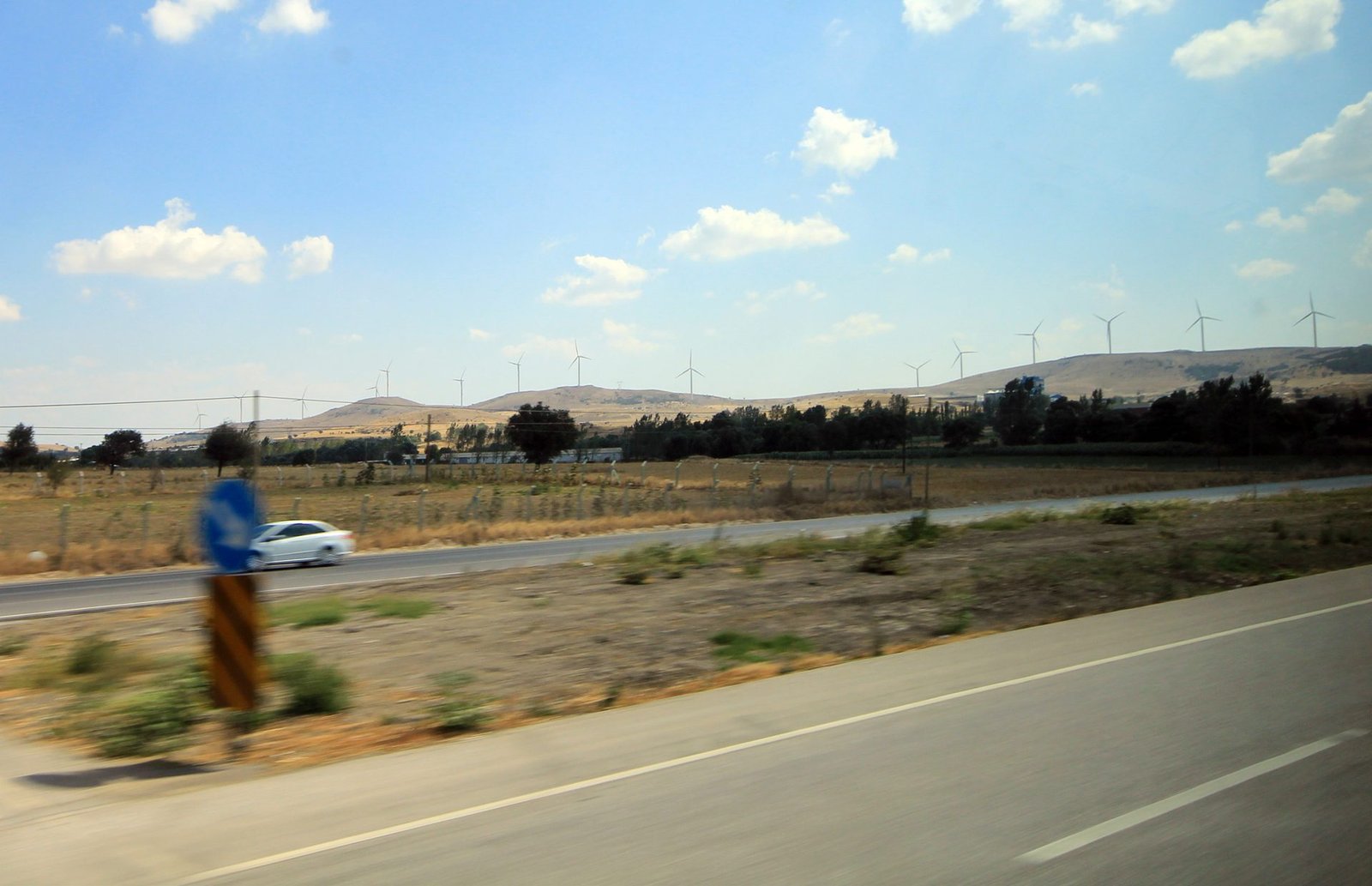
Photo: Karelj, via Wikimedia Commons (Public domain)
Sources
- https://www.cfr.org/articles/cop31-in-turkey-what-to-expect-at-the-2026-un-climate-summit
- https://news.un.org/en/story/2026/11/1168735
- https://www.bbva.com/en/sustainability/countdown-to-cop31-in-antalya-the-stakes-are-not-abstract/
- https://350.org/blog/cop31-starts-in-t%C3%BCrkiye-why-we-cant-afford-any-more-climate-delay/
- https://spherenexus.in/cop31-briefing-what-to-expect-from-the-antalya-climate-summit/
Leave a comment
Comment as a guest and verify your email, or sign in or create a reader account. Guest comments reach our review queue after email verification; account holders can submit directly for review.