Listen to this article
Take the story with you. Choose a voice and a pace that suits you.
Or listen in another language / choose a voice
Getting your device voices ready…
The voice follows the displayed language and your browser’s regional preference when available. You can choose another narration voice.
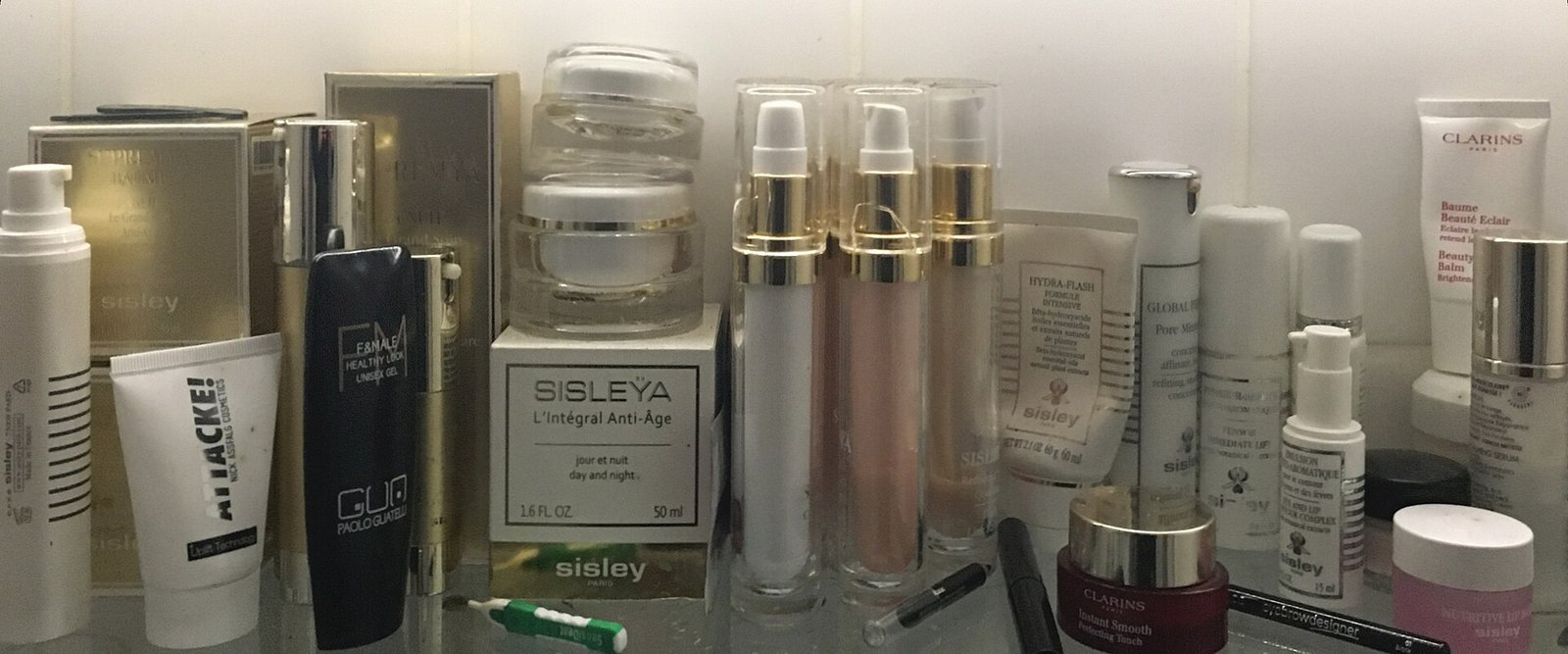
Start with the bathroom shelf. Shampoo, moisturiser, a child’s toy, the pan in the kitchen, the packaging around lunch — endocrine disrupting chemicals in everyday products sit inside all of them, and a major United Nations assessment released on 17 November 2026 says the harm they do is broader, and better documented, than regulators have been treating it as (WHO).
The report, State of the Science of Endocrine-Disrupting Chemicals 2026, comes from the UN Environment Programme (UNEP) and the World Health Organization (WHO). It is the first major global update since 2012, drawing on more than a decade of research since then, and was launched in Geneva at the first International Conference of the Global Framework on Chemicals, held from 16 to 20 November, alongside a companion synthesis for policymakers, From Evidence to Action (WHO).
Endocrine-disrupting chemicals, or EDCs, interfere with the hormones that regulate growth, development, reproduction and metabolism. They can change how hormones are produced, released or act in the body, according to UNEP’s explainer on the report (UNEP). Familiar examples include bisphenol A, phthalates and polychlorinated biphenyls (PCBs), with bisphenols and phthalates used in certain plastics and toys, PFAS in some food packaging, textiles and furnishings, and parabens in personal-care products (WHO; UNEP).
Exposure starts before birth
These chemicals have been detected in blood, breast milk and cord blood, so exposure can begin before a baby is born (WHO). Children carry particular risk: their hormones direct growth and brain development, they eat, drink and breathe more relative to body weight than adults, and mouthing toys adds another route in (UNEP).
Scale is the awkward part. More than 350,000 chemicals and chemical mixtures are registered for use worldwide, yet only a small fraction has been evaluated for endocrine-disrupting properties (WHO). Around 1,000 EDCs have been identified, AFP reporting notes, while many chemicals have simply not been tested properly (Phys.org / AFP). People and wildlife are exposed to mixtures, not one substance at a time, but many regulatory systems still assess chemicals individually (WHO).
What the endocrine disrupting chemicals in everyday products do to health
Ask what the endocrine disrupting chemicals health risks actually are, and the 2026 assessment answers with a longer list than its 2012 predecessor. Stronger evidence now links exposure to effects on fertility and reproductive development, brain development and neurological function, thyroid and other hormone regulation, metabolism, immunity and cardiovascular health, with metabolic liver disease and possible kidney effects flagged as newer areas of concern where gaps remain (WHO).
UNEP’s explainer gets specific: reduced sperm quality, endometriosis and polycystic ovary syndrome sit on the reproductive side, while metabolic disruption is linked to obesity, type 2 diabetes and metabolic liver disease (UNEP). The University of Massachusetts Amherst, whose researchers Laura Vandenberg and R. Thomas Zoeller led several report sections, says the strongest evidence connects EDCs to reproductive health, neurodevelopment and thyroid health, with growing evidence on obesity, cardiovascular disease, diabetes and cancer (UMass Amherst).
Wildlife takes the same hit. Across fish, birds, amphibians and mammals, exposure has been linked to impaired reproduction, development and behaviour (WHO). UNEP documents altered sex ratios and reduced reproductive success, and describes chemicals persisting for decades, accumulating in fatty tissue and concentrating up the food chain — some reaching Arctic wildlife far from any factory or farm (UNEP).
A hormone disrupting chemicals cost counted in trillions
Put a price on it and the hormone disrupting chemicals cost lands above US$1.1 trillion every year in healthcare expenses and lost productivity, according to UNEP (UNEP). Read the small print, though. That figure covers only a limited number of health conditions and chemicals with available data, so the report warns it is likely an underestimate, and it leaves out contaminated drinking water, biodiversity loss and damage to food production entirely (UNEP; Phys.org / AFP). Vandenberg puts the same point bluntly: ecosystem costs remain unquantified and are likely larger still (UMass Amherst).
Analysis: the trillion-dollar figure will do the political work here, so handle it with care. It is a conservative partial count, not a total — useful for showing inaction has a price, useless as a precise bill. The harder problem is structural: testing lags behind the chemicals already in commerce, and swapping a restricted chemical for a close, poorly tested substitute keeps exposure going under a new name — regrettable substitution, in the International Pollutants Elimination Network’s phrase (IPEN).
Positions differ on what follows. The International Council of Chemical Associations called for science-based regulation that protects health while preserving the benefits of products it describes as essential to modern life (Phys.org / AFP). Report co-author Tracey Woodruff argued the opposite direction: stop expanding plastic production, reduce exposures and ban the worst actors (Phys.org / AFP). One open uncertainty is dose — what exposure level triggers a given effect remains unresolved for many chemicals, a point raised by Griffith University toxicologist Frederic Leusch, who was not involved in the report but still judged the hazard worrisome enough to act on (Phys.org / AFP).
How to reduce exposure to endocrine disruptors — and where individual choice runs out
Practical steps exist. UNEP points to glass, stainless steel and cast iron in place of plastic containers and some cookware, alternative preservatives and mineral-based UV filters in cosmetics, PFAS-free finishes in textiles and furniture, and toys designed without EDCs (UNEP). Ventilating your home and disposing of medicines and hazardous waste properly also help (UNEP).
None of that reaches the root. The report’s priorities sit with governments and manufacturers: better monitoring, more rigorous testing, harmonised criteria for identifying EDCs, and real transparency about what is in products (UNEP). WHO argues the same from the health side — identify risks early and keep chemicals safe, particularly for pregnant women and children (WHO). One hopeful precedent sits inside the assessment: where regulators cut legacy contamination, some adverse effects were reversed (WHO). Fourteen years passed between assessments. Your bathroom shelf will show, faster than any communique, whether this one moves quicker.
Information verified through 23 November 2026.
Photo: Pittigrilli, via Wikimedia Commons (CC BY-SA 4.0)
Sources
- WHO — Evidence mounts that exposure to hormone-disrupting chemicals starts before birth: UNEP–WHO report: https://www.who.int/hongkongchina/news/detail-global/17-11-2026-evidence-mounts-that-exposure-to-hormone-disrupting-chemicals-starts-before-birth–unep-who-report
- UNEP — What are endocrine-disrupting chemicals and how do they affect our health and the environment?: http://www.unep.org/en/news-and-stories/story/what-are-endocrine-disrupting-chemicals-and-how-do-they-affect-our-health
- Phys.org / AFP — Scientists warn of growing health threats of chemicals found everywhere: https://phys.org/news/2026-11-scientists-health-threats-chemicals.html
- UMass Amherst — UMass Amherst Researchers at Forefront of International Report on the Risks of Chemicals in Everyday Items: https://www.umass.edu/public-health-sciences/news/international-report-risks-chemicals
- IPEN — Indisputable Evidence Shows the Peril from Endocrine Disrupting Chemicals, Yet Policies to Protect Human Health Lag Decades Behind the Science: https://ipen.org/yue/indisputable-evidence-shows-the-peril-from-endocrine-disrupting-chemicals-yet-policies-to-protect-human-health-lag-decades-behind-the-science/
Leave a comment
Comment as a guest and verify your email, or sign in or create a reader account. Guest comments reach our review queue after email verification; account holders can submit directly for review.