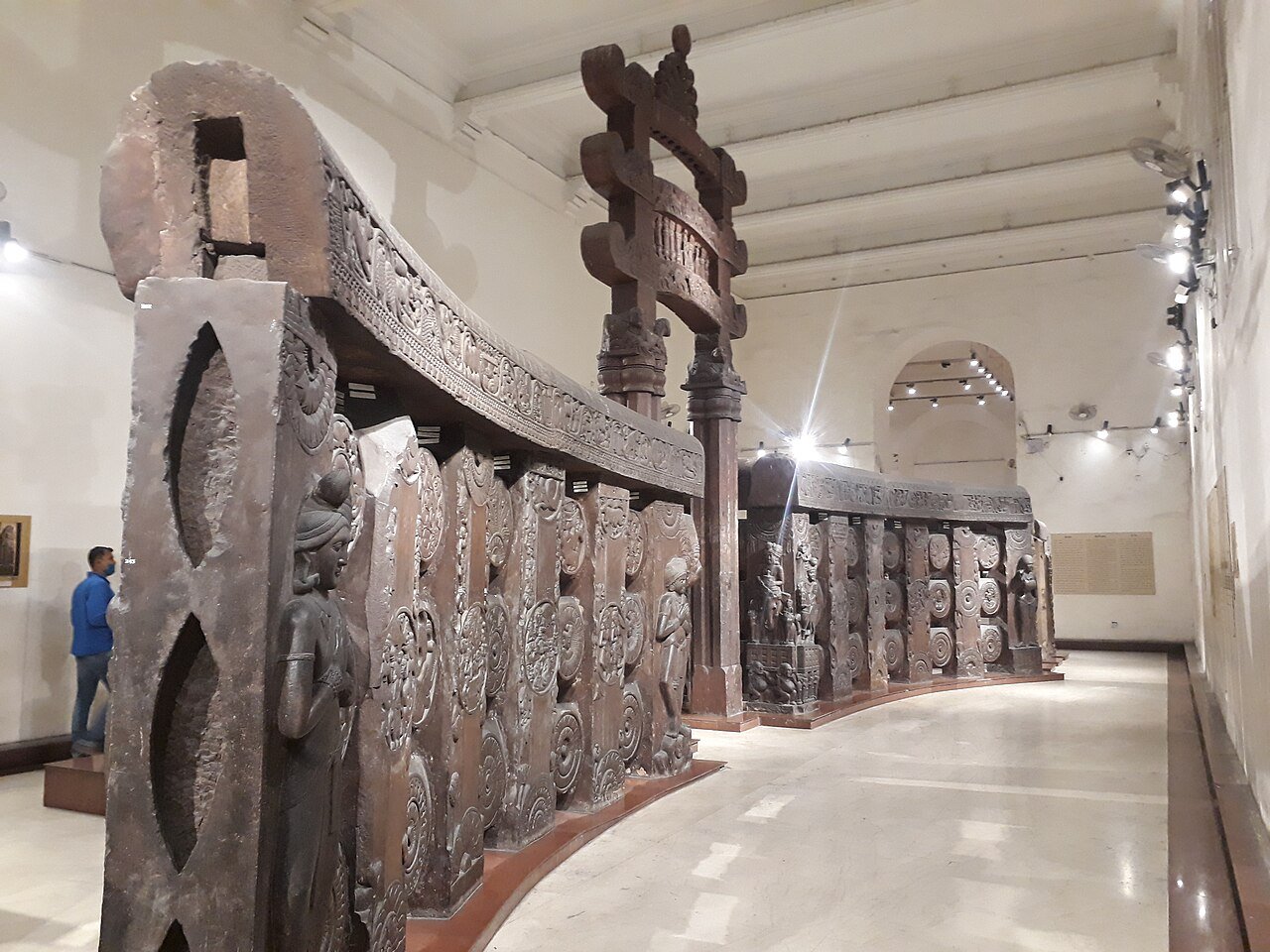

A museum label usually explains an object’s age, material, and use. A restitution claim introduces another history: how the object came to be there, who lost control of it, and whether the institution’s present authority is justified.
In 2022, the Smithsonian’s Board of Regents voted to return 29 Benin bronzes to Nigeria. The announcement connected the decision to the institution’s ethical-return policy. It provides a concrete example of a museum treating possession as a matter requiring ethical examination, rather than considering the collection permanently settled. [1]
Ownership shapes the conversation
An institution can invite outside interpretation while retaining the final decision about display, access, and lending. Returning ownership changes that relationship. Consultation and restitution may both matter, but they distribute authority differently.
This is why an improved label cannot answer every claim. A more honest account of acquisition may help visitors understand the object while leaving the underlying question of possession unresolved. Different remedies address different parts of the history.
Follow the specific object
Restitution debates become clearer when they identify the material, the acquisition history, the claimant, and the decision under consideration. Broad arguments about whether museums should exist often obscure these particulars. A claim concerning one collection need not establish an identical answer for every other object.
The museum’s public role can continue to evolve through loans, collaboration, research, and changed ownership arrangements. The question is who has the power to agree to those arrangements. A return is therefore about the future as well as the past: it changes who can decide where an object goes, how its story is told, and what obligations accompany its care. That redistribution of authority is central to understanding what restitution does.