Listen to this article
Take the story with you. Choose a voice and a pace that suits you.
Or listen in another language / choose a voice
Getting your device voices ready…
The voice follows the displayed language and your browser’s regional preference when available. You can choose another narration voice.
India’s automated takedown law has produced a number that is hard to read past. Meta restricted access to 5.44 million items of content in India in the first half of 2026, about 130 times the 41,357 items it restricted in the previous six months, according to the company’s own disclosures reported by Reuters (Reuters). Across the whole of 2025 the figure was nearly 70,000. On 25 November, the youth wing of the Congress party filed suit in the Delhi High Court against Meta and the federal government, asking the court to strike the system down (The Hindu BusinessLine).
Meta is not accused of inventing the surge. The company attributes the jump to automated detection of identical copies, carried out because Indian law requires it, not to any rise in legal requests (Reuters). That is the fight in one line: a rule written to catch copies, a machine built to obey it, and an opposition party saying the machine is catching its politics instead.
How the India automated takedown law changed the rules in February
For years, only India’s IT and broadcasting ministries and its courts could order content removed, and only on narrow grounds such as national security and public order (Reuters). In 2023 the government widened that power, letting federal and state agencies, including the police, send takedown notices for content barred under any law. In 2024 it launched Sahyog, a website that channels those notices to platforms; Elon Musk’s X is already fighting the government in court over that portal, which it calls a censorship portal (Reuters). Platforms must now remove content deemed unlawful by an authority within three hours, down from 36, and large platforms such as Meta, YouTube and X must use technical measures, including automated tools, to find content exactly identical to material already removed and take that down too (Reuters). Before February, platforms were asked only to endeavour to use such tools; now the tools are mandatory (The Hindu BusinessLine). The rules also require appropriate human oversight and periodic review of the tools for accuracy and bias, and a platform that fails to comply risks losing safe harbour, the legal shield that protects it from liability for what users post (Reuters).
Meta content restrictions India 5.44 million: reading the surge
The 5.44 million figure covers Facebook and Instagram posts and accounts restricted inside India between January and June 2026 (Reuters). Meta says it restricts 100 percent identical copies at scale under the amended rules, and that it is still testing and refining the system given the unprecedented nature of the effort (The Hindu BusinessLine). These numbers do not include removals Meta makes under its own content guidelines (Reuters).
Scale is part of the story. Meta has more than 500 million users in India, its largest market by users (Reuters). Only Indonesia recorded more restrictions in the same period, 20.6 million items, and Meta says over 20 million of those concerned alleged gambling-law violations; India and Indonesia together accounted for about 96 percent of the 27.1 million items Meta restricted in specific countries in the half year (Reuters).
Congress sues Meta Rahul Gandhi posts: what the petition claims
The Indian Youth Congress petition, filed by lawyer Rishav Ranjan, argues that the system catches far more than exactly identical copies (Reuters). Posts it lists as blocked include a birthday greeting between party workers, a wedding invitation handed to Rahul Gandhi and a tribute to his father. What they share, the petition says, is Gandhi’s name or photograph, nothing more (Reuters). In one cited case, a birthday greeting posted on 8 November, showing a colleague standing beside Gandhi, was blocked the same day (The Hindu BusinessLine).
Each restriction notice, the petition says, told the user the post had been restricted through an automated system implemented under legal requirements, and none cited a court order or a government direction (Reuters). Manu Jain, the youth wing’s social media head named in the filing, described the rules as an instrument for the suppression of lawful political expression (The Hindu BusinessLine).
Congress asks the court to strike down the automated takedown mandate, order Meta to restore the blocked posts and require the company to disclose its blocking criteria (Reuters). Hearings are expected to begin in the coming days (The Hindu BusinessLine). The party’s stakes are practical: state elections are due in early 2027, and it argues the restrictions distort the level playing field its workers need to reach voters on Facebook and Instagram (The Hindu BusinessLine).
The Sahyog takedown portal, the protests and Meta’s position
The court case followed a week on the street. Youth Congress workers protested outside Meta offices in several cities, including Hyderabad, Gurugram and Mumbai; the BJP accused the protesters of vandalising private companies’ offices and has not commented on the lawsuit itself (South Asia Desk; The Hindu BusinessLine).
Meta’s position, given at a closed-door meeting with Congress this week, is that it is neutral towards all political parties and bound by local laws (Reuters). The company declined to comment on the lawsuit, and India’s IT and home ministries, named as co-respondents, did not immediately respond to requests for comment (The Hindu BusinessLine). The government has maintained that such laws are essential to stop illegal and harmful content spreading in a market of over 1.1 billion internet users (The Hindu BusinessLine). The Internet Freedom Foundation, a digital rights group, has criticised the new system in terms neither side disputes the meaning of: censorship by automation is still censorship (Reuters).
What the Delhi High Court decides will reach past one party’s feed. Every large platform in India now works under the three-hour clock and the identical-copy rule, and a ruling against the mandate would rewrite the compliance machinery they have all spent this year building.
Information verified through 28 November 2026.
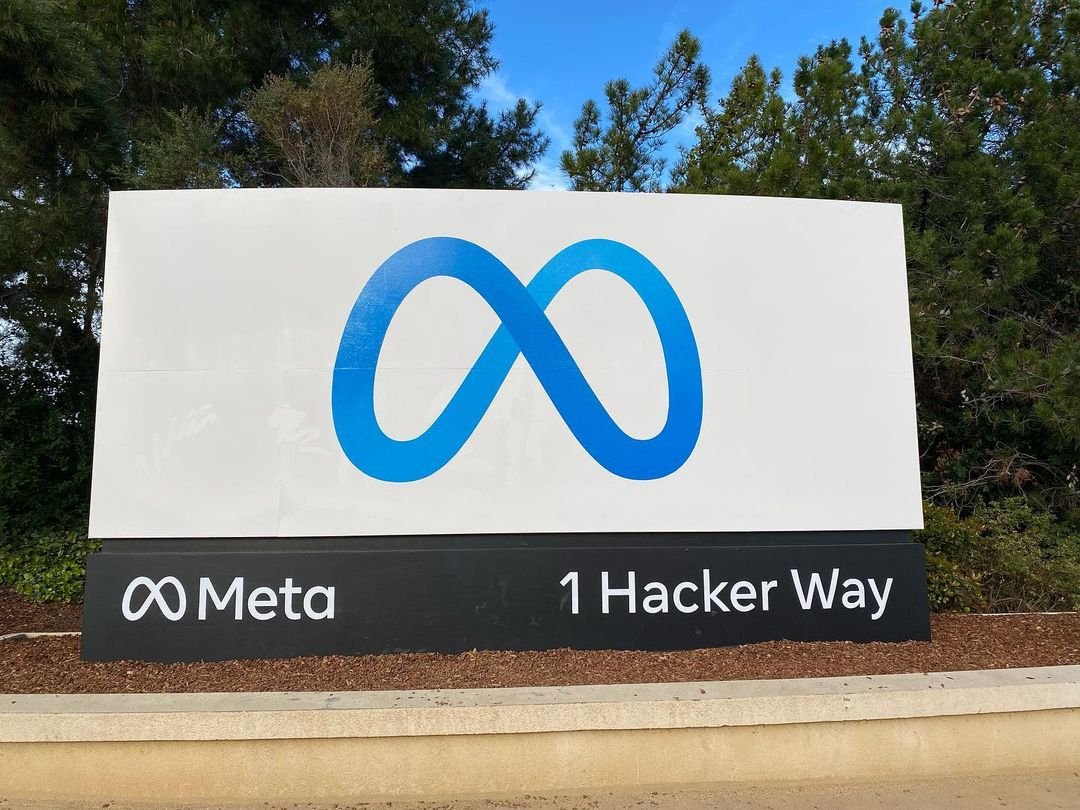
Photo: Nokia621, via Wikimedia Commons (CC BY-SA 4.0)
Sources
- Reuters — What is Modi’s automated takedown law, which has embroiled Meta in a political storm?: https://www.reuters.com/world/asia-pacific/what-is-modis-automated-takedown-law-which-has-embroiled-meta-political-storm-2026-11-27/
- The Hindu BusinessLine — Congress sues Meta and Centre over blocking of Rahul Gandhi posts: https://www.thehindubusinessline.com/news/congress-sues-meta-centre-over-automated-blocking-of-rahul-gandhi-posts/article71745933.ece
- Inc42 — After Meta meeting, Congress’ youth wing moves Delhi HC over automated takedown rules: https://inc42.com/buzz/bound-by-local-laws-meta-tells-congress-amid-content-moderation-row/
- South Asia Desk — Meta battles political storm in India as Congress sues: https://southasiandesk.com/meta-battles-political-storm-in-india/
Leave a comment
Comment as a guest and verify your email, or sign in or create a reader account. Guest comments reach our review queue after email verification; account holders can submit directly for review.