,_Ras_Katy,_Sharm_el-Sheij,_Egipto,_2022-03-26,_DD_108.jpg)
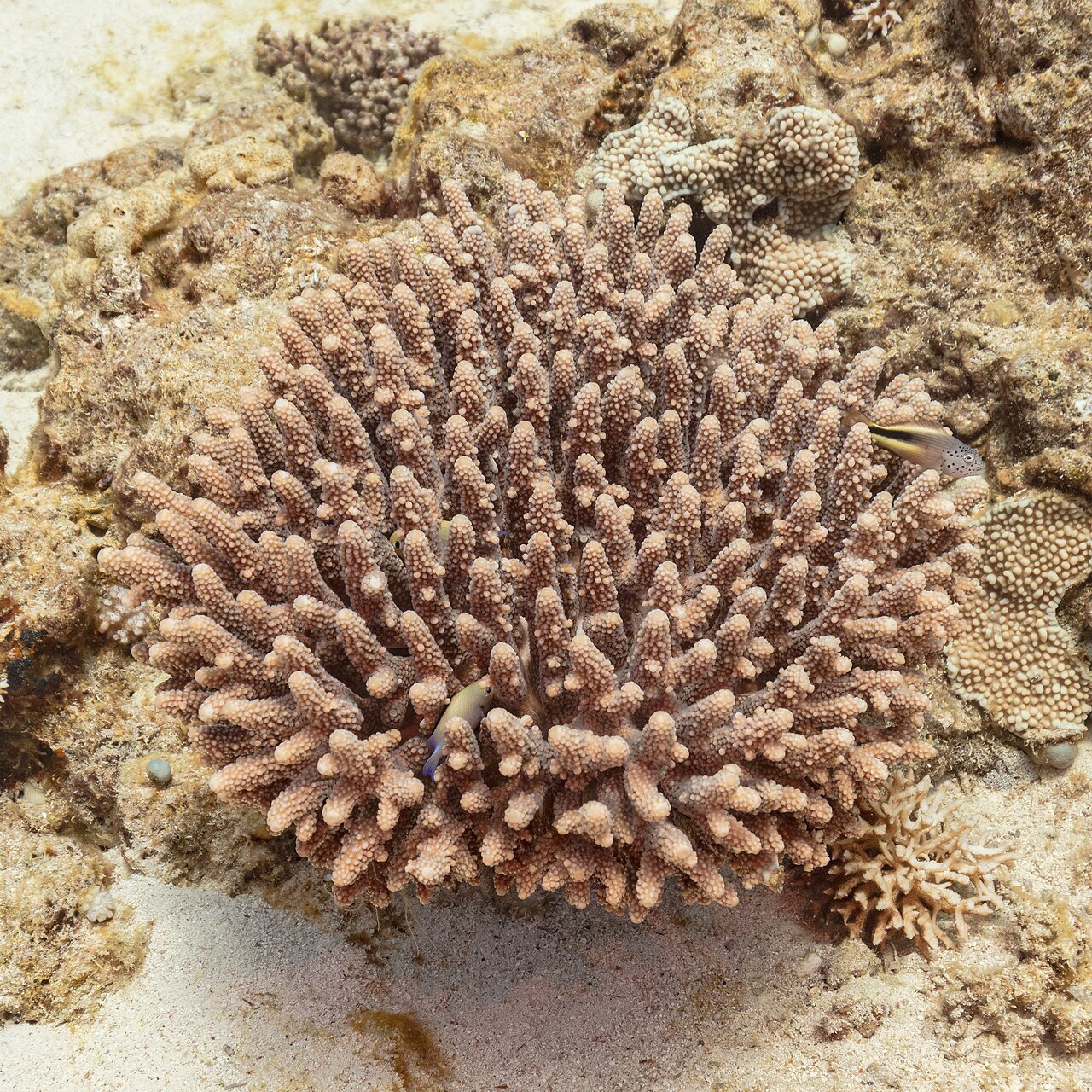
A newly restored patch of coral offers an image of repair: living material has returned to a damaged place. The image matters, but the next question concerns survival. What conditions will the coral encounter after the restoration work is done?
NOAA Fisheries describes coral restoration within a wider effort to address the complex threats facing reefs. Restoration works on damaged ecosystems while conservation must also consider the pressures that continue to affect them. The two kinds of work cannot be evaluated entirely separately. [1]
Define the result being counted
The number of corals placed at a site is an activity measure. Survival over time is another measure. Recovery of a functioning reef involves a wider set of relationships. A project report becomes more informative when it distinguishes these outcomes instead of allowing the first to stand for all the others.
Timescale matters as well. A promising early result can be valuable without establishing long-term resilience. Monitoring creates a way to learn which methods work under particular conditions and where expectations need to change.
Repair does not erase exposure
A restored site remains part of a larger environment. Threats outside the immediate project boundary can influence its future. That does not make local work meaningless, but it places limits on what the project can reasonably promise.
The strongest account of coral restoration holds both points together: careful intervention can have value, and protecting reefs requires action on the conditions that damage them. Celebrating only the act of replacement makes the work sound simpler than it is. Dismissing every local effort because the larger problem remains would overlook the knowledge and living resources those efforts may preserve. The serious task is to connect repair with a credible account of continued protection.