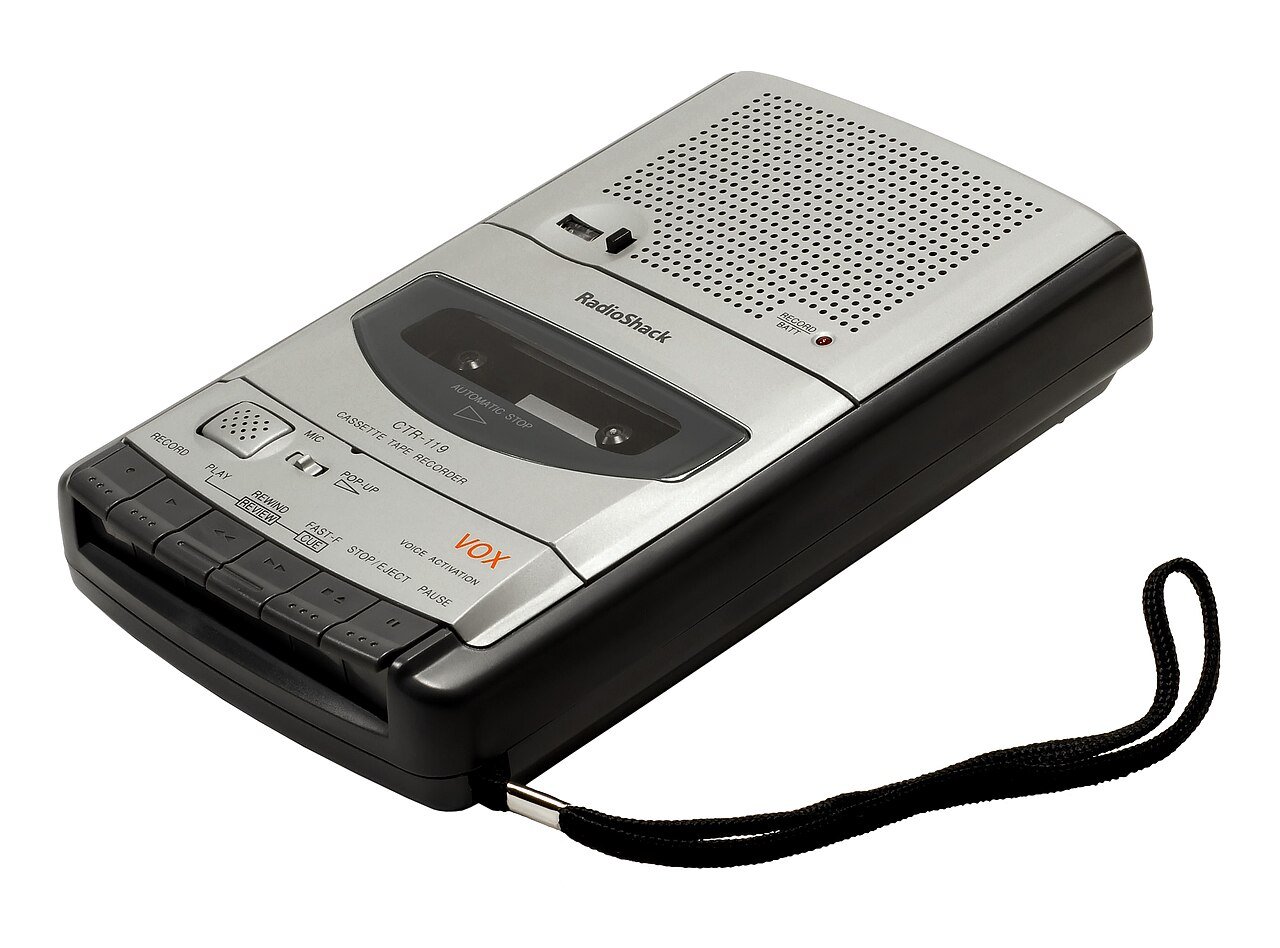

An oral-history interview preserves more than information about an event. It records a person remembering in response to another person’s questions. The interviewer, the setting, and the moment of recollection all belong to the source.
The Oral History Association’s best-practice guidance emphasizes informed consent and clear arrangements concerning use and access. Such procedures recognize that recording a voice creates responsibilities toward the person whose experience becomes available to others. [1]
Memory is evidence with a context
A recollection can be valuable even when it differs from another account. The difference may reveal what an event meant to people in different positions or how its meaning changed over time. That does not make every remembered detail factually correct. It makes the relationship between experience and evidence worth examining.
Dates, names, and sequences can be compared with other records where available. The narrator’s interpretation still deserves attention even when a detail needs correction. Reducing an interview to a test of perfect recall would discard much of what makes it historically useful.
The questions remain audible
A question can invite a story, narrow a choice, or imply the answer expected. Keeping the interview’s structure visible helps later readers and listeners understand how the account was produced. Extracting one vivid sentence can remove the uncertainty or qualification surrounding it.
Oral history is strongest when it combines respect for the narrator with openness to analysis. Respect does not require treating every assertion as beyond examination. Analysis does not require stripping the speaker of their particular voice. The method preserves a conversation so that future audiences can encounter both the memory offered and the conditions under which it was shared.