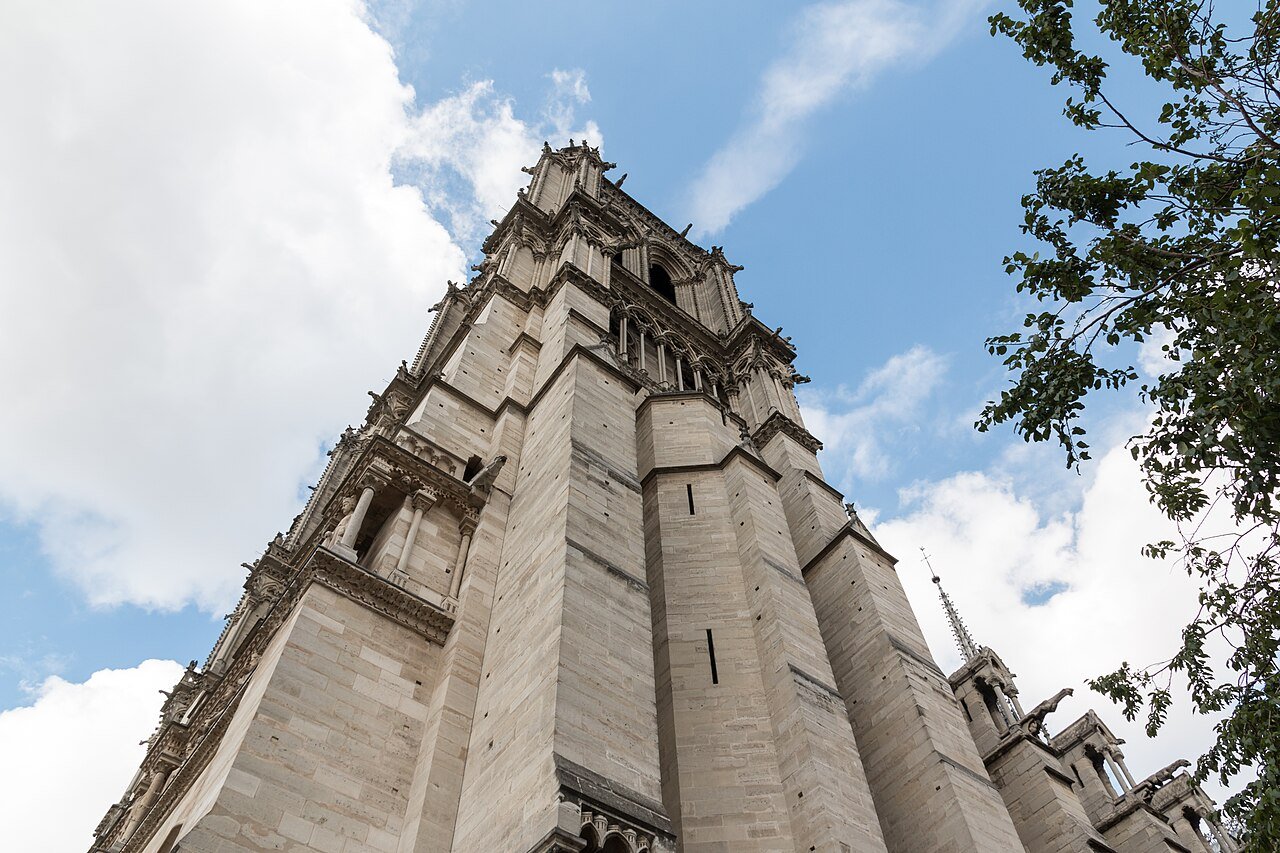

A familiar building can seem permanent until an emergency exposes how much work its continued existence requires. Notre-Dame’s reopening in December 2024, following the fire of April 2019, offered a particularly visible example of continuity achieved through intervention.
The cathedral’s account of its reopening records the ceremony on 7 December 2024 after five years of restoration. That date marks a historical milestone. It does not mean the broader work of maintaining a heavily used heritage building ends when its doors reopen. [1]
Restoration makes choices visible
To restore a place is to decide what evidence should guide its next form. Different parts of a building may carry traces of different periods. Materials, structural requirements, and use all place demands on the decision. Even an ambition to recover a familiar appearance involves active judgment.
The word “original” can conceal these questions. Does it refer to the earliest state, a later state remembered by living visitors, or a documented stage in between? A responsible account of restoration explains which continuity is being pursued and why.
Heritage is a continuing practice
The finished surface can hide the people whose skills make it possible. Maintenance and restoration depend on the ability to understand materials, coordinate work, and pass knowledge to others. Celebrating a reopened monument should also direct attention toward those continuing capacities.
Notre-Dame’s return offers a way to think about preservation beyond the single dramatic before-and-after image. A building survives through repeated acts of care, each undertaken in a present with its own tools and constraints. The achievement is not to remove time from the monument. It is to make a defensible passage through time possible, so that a place can remain usable and meaningful for people who have yet to encounter it.