Evolving Humanities
Ideas & Philosophy
Questions about meaning, ethics, and how we understand the world.
Article
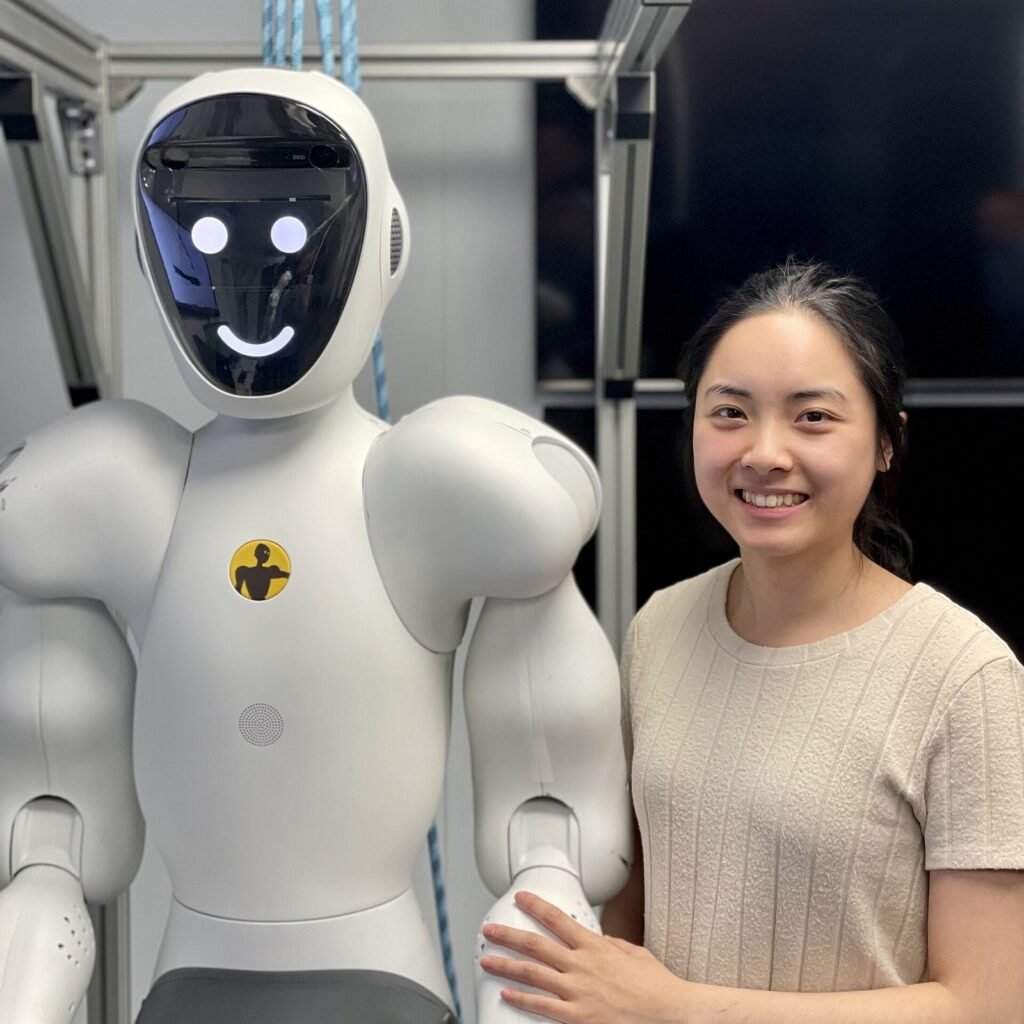
Generative AI and moral judgment meet before any verdict is argued, a paper published 25 October 2026 argues: machine-made stories select, pre-structure and orient interpretation, delivering pre-shaped explanatory closure instead of interpretive work.
6 min read · Evolving Humanities

Article
A new paper on human dignity and personhood argues that a person is not someone who passes a test of awareness or autonomy: dignity rests on what a human being is, and tying it to capacities leaves the most vulnerable unprotected.
7 min read · Evolving Humanities

Article
Doing the right thing for the wrong reasons sounds like a riddle, but a Mount Holyoke student shortlisted for the John Locke prize used it to test Kant against outcomes — and to ask what a good act is worth.
7 min read · Evolving Humanities
Article
Superorganismic human morality and free will are reframed in Yeonbo Jung's book: morality evolved inside groups, desire sits at the mind's centre, and freedom survives inside a caused world.
7 min read · Evolving Humanities
Article
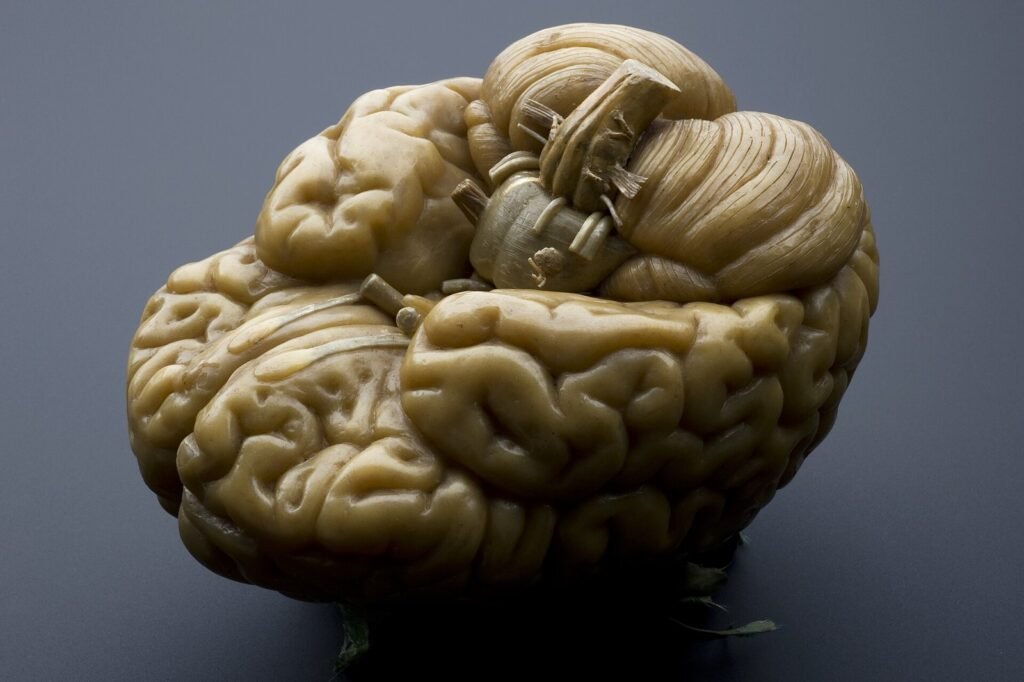
An AI is not conscious Nature essay by Anil Seth, Ned Block and Giulio Tononi argues that today's systems have no inner experience — and that treating them as if they do could make them harder to govern.
4 min read · Evolving Humanities

Article
What do we owe workers when AI reshapes jobs? Britain's new £600m package pays to study displacement before it happens — an Ideas essay on dignity, work and the state's duty to understand first.
5 min read · Evolving Humanities

Article
A Doha town hall asked who should set the moral rules for AI — companies, faith traditions, or the public — and found no easy answer, only a narrowing window to argue about it in public.
5 min read · Evolving Humanities

Article
At the Fifth Kaoting Forum in Nanping on 17–18 October, scholars applied Zhu Xi's distinction between heavenly principle and disordered appetite to AI: using AI is neutral, Fang Xudong argued, but surrendering your judgement to the algorithm is a moral failure — an idea now doing work in debates about override, education and governance.
5 min read · Evolving Humanities
Article
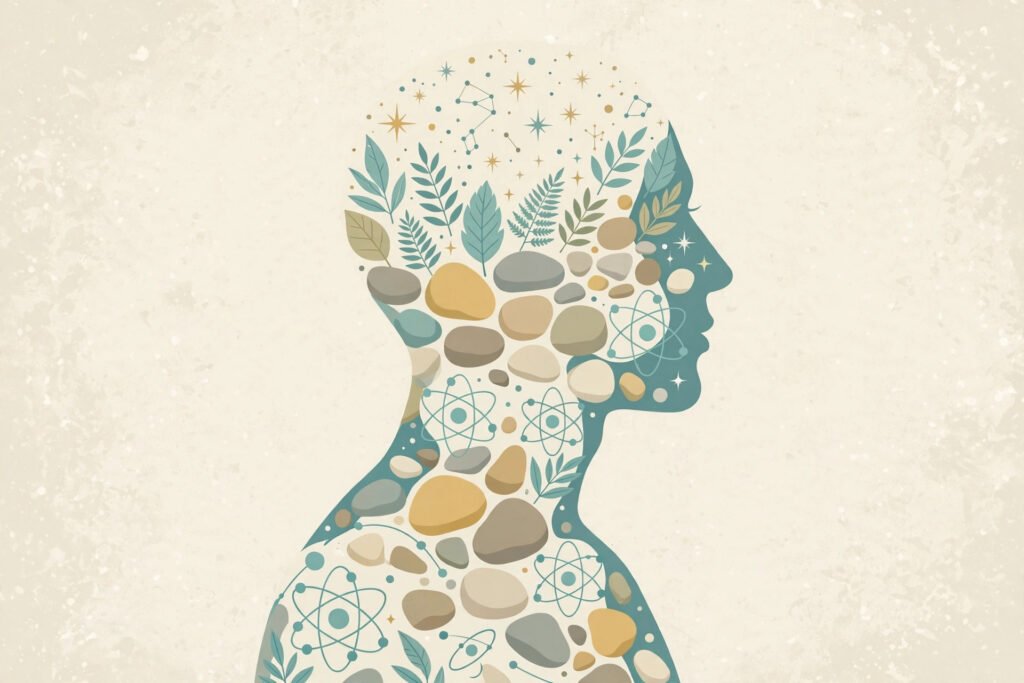
A Southampton philosopher's October essay asks why we assume matter starts out unconscious at all. Panpsychism — consciousness as a fundamental property of matter — dissolves one mystery by creating others, and its critics and defenders now agree on at least one thing: the easy answers have run out.
4 min read · Evolving Humanities
Article
A new paper argues that even a safe, free and universally accepted technology for making people behave morally would cost too much: the free will that makes a good act a choice at all.
5 min read · Evolving Humanities