
Listen to this article
Take the story with you. Choose a voice and a pace that suits you.
Getting your device voices ready…
The voice follows the displayed language and your browser’s regional preference when available. You can choose another narration voice. Enhanced device voices are preferred; availability varies.
A food delivery can look the same at the doorstep whether it comes from a charity, a neighbor, or a mutual-aid network. The differences may lie in the relationships behind it: who identified the need, who controls resources, and whether the recipient can help shape what happens next.
In his account of mutual aid, writer and organizer Dean Spade connects practical support with collective participation and social movements. His argument treats meeting immediate needs as part of organizing people around conditions they share. It is an advocate’s explanation of the approach, rather than a claim that every group using the name operates alike. [1]
Help has a structure
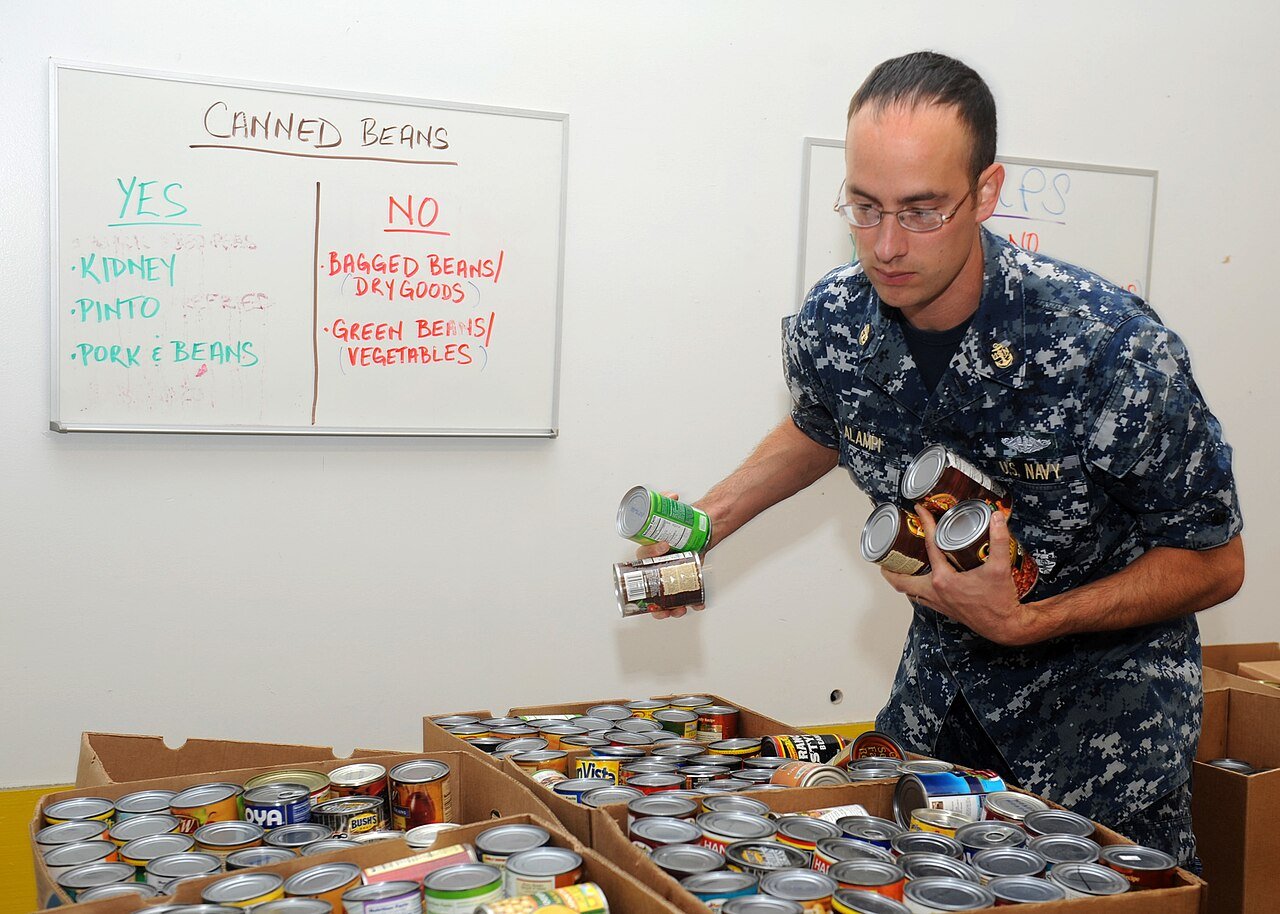
A group deciding together how to distribute groceries faces practical choices. Someone must communicate, obtain supplies, keep track of commitments, and resolve disagreement. Calling the work mutual does not remove those responsibilities. It makes the distribution of responsibility a central question.
Participation also needs flexibility. A person receiving help during an illness may have little capacity to attend meetings or return a favor. A model that demands immediate reciprocity can reproduce the very exclusion it hopes to address. Shared commitment does not mean everyone contributes the same thing at the same time.
Sustainability is part of care
Informal work can depend heavily on a few reliable people. Clear limits, manageable commitments, and ways to hand over tasks help prevent reliability from becoming permanent exhaustion. A group needs to know what it can actually provide.
Mutual aid is most understandable at this scale of concrete decisions. Who has a key to the storeroom? Who can challenge a rule? Who is missing from the conversation? The answers reveal whether collective language has become collective practice. Delivering the food matters; so does making room for the people receiving it to become participants in the decisions around it.
Leave a comment
Comment as a guest and verify your email, or sign in or create a reader account. Guest comments reach our review queue after email verification; account holders can submit directly for review.