Listen to this article
Take the story with you. Choose a voice and a pace that suits you.
Or listen in another language / choose a voice
Getting your device voices ready…
The voice follows the displayed language and your browser’s regional preference when available. You can choose another narration voice.
Short answer: yes — if a big-hearted, openly sentimental novel about people making a strange little television show sounds like your kind of winter reading. Is Love, Like Apples worth reading for everyone? No, and the reasons to hesitate are visible on the surface: it is earnest, it is built around a love-at-first-sight romance, and it asks you to care about puppetry. Jeff Zentner’s new novel, published by Grand Central Publishing on 3 November 2026 at 400 pages, according to Princeton Book Review’s November release list, makes no attempt to hide any of that. Book of the Month made it the headline pick of its November 2026 selections, calling it the month’s literary headline from an author best known for young adult novels (Find Subscription Boxes).
What the story actually is
Tiller Loomis grows up in Sawyer, a fictional East Tennessee town, on a small family apple orchard worked by Tiller, his older brother Smith and their father. Their mother died when Tiller was born; their father slid into alcoholism, and Smith became the younger boy’s shelter — the source of the book’s title idea, that “love, like apples, is a sweetness that emerges from improbable circumstances.” Smith is drafted for the Vietnam War, and within months two soldiers arrive with the news that he is gone. That account comes from Chapter 16’s review, which also describes Tiller’s treasured gift from Smith: a limberjack, a dancing wooden figure on a stick.
The puppet carries him out of Appalachia. The novel is framed as an interview with Tiller in his 70s, recorded for a documentary about Imagine Nation, a Children’s Television Workshop project conceived for a post-Sesame Street teenage audience, in a New York where Springsteen’s Born to Run, Star Wars and Jim Henson’s Muppets hang in the air (Chapter 16). On arrival at the studio, Tiller falls in love at first sight with a colleague from Pennsylvania coal country, Julie; his rival is the show’s head writer, a wealthy, sarcastic Boston Brahmin. Chapter 16 is clear-eyed about the shape of this: side characters and puppet-making detail enrich the frame, but Tiller’s unsteady, unswerving pursuit of Julie is the spine of the story.
Is Love, Like Apples worth reading? A puppet studio, told backwards
As a novel about puppetry in 1970s New York, the book is told backwards, and the documentary frame does real work. Because older Tiller introduces himself as a poet and woodworker before he describes being a farmer, puppeteer and theatre set builder, the whole novel reads as a man deciding what his life added up to (Chapter 16). Zentner, a Nashville lawyer and musician who won awards for his 2016 debut The Serpent King and moved into adult fiction with Colton Gentry’s Third Act, has a similar many-trades biography, and Chapter 16 credits his wit and inventive imagery with giving the emotional story its ballast — down to a hometown restaurant dismissed as “a tragic steakhouse.”
The advance notices collected by bookseller McNally Robinson point the same way. Kirkus found that Zentner captures the period’s pop culture and the gritty feel of late-’70s New York, with Tiller’s down-home sensibility grounding the lyrical prose, and called it “a tender novel about the transformative powers of storytelling and human connection.” Booklist praised “an evocative look at 1970s New York and the creative process of developing a television show,” and a portrait of found family. Library Journal recommended it to fans of Taylor Jenkins Reid and Kristin Hannah, and to anyone who believes in the transformative power of art and love.
Love, Like Apples Jeff Zentner review round-up, and the catch
Read those notices together and a pattern emerges: nobody is praising the plot twists. The praise is for voice, period texture and emotional directness. That is also the catch. A reader who needs irony as a safety rail will find this book exposed — its feelings sit right on the surface, its hero falls in love on sight, and its governing belief, inherited from Smith, is that kindness is something you choose. Kirkus’s gentlest warning is in its own summary: every character carries “deep emotional baggage,” handled, it says, with care and heart (McNally Robinson).
Analysis: This is a recommendation with a clear address on it. Readers who welled up at Henson-era television, who like novels about work made by hand and crews that become families, or who want one generous, unembarrassed love story for November — take the Book of the Month judges’ hint and pick it up; at $17.99 for the month’s hardcover pick, it is also an easy book-club gamble (Find Subscription Boxes). Readers allergic to sentiment should trust the same evidence and pass. Zentner has written the book his blurbs describe. Whether that is a promise or a warning depends entirely on which shelf you usually stand in front of.
Information verified through 1 November 2026.
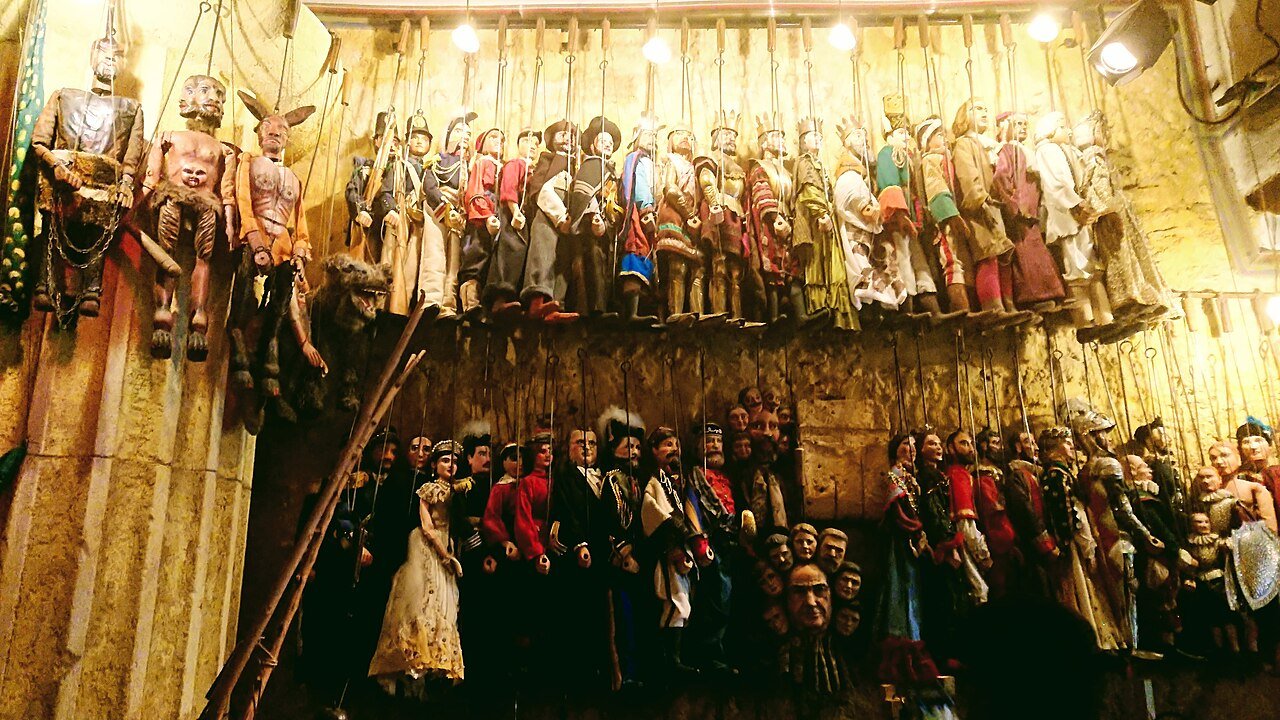
Photo: Gzoukis, via Wikimedia Commons (CC BY-SA 4.0)
Sources
- https://chapter16.org/a-1970s-love-story/
- https://www.mcnallyrobinson.com/9781538773604/jeff-zentner/love-like-apples
- https://www.findsubscriptionboxes.com/subscription-box-news/book-of-the-month-november-2026/
- https://www.princetonbookreview.com/blog/the-best-new-books-of-2026-so-you-never-miss-one/
Leave a comment
Comment as a guest and verify your email, or sign in or create a reader account. Guest comments reach our review queue after email verification; account holders can submit directly for review.