.jpg)
A concrete building can inspire affection and irritation in the same street. Admirers see confidence, texture, and public ambition. Critics experience bulk, weathering, or an entrance that seems indifferent to the person approaching it. The disagreement becomes more useful when it moves beyond whether the material looks attractive.
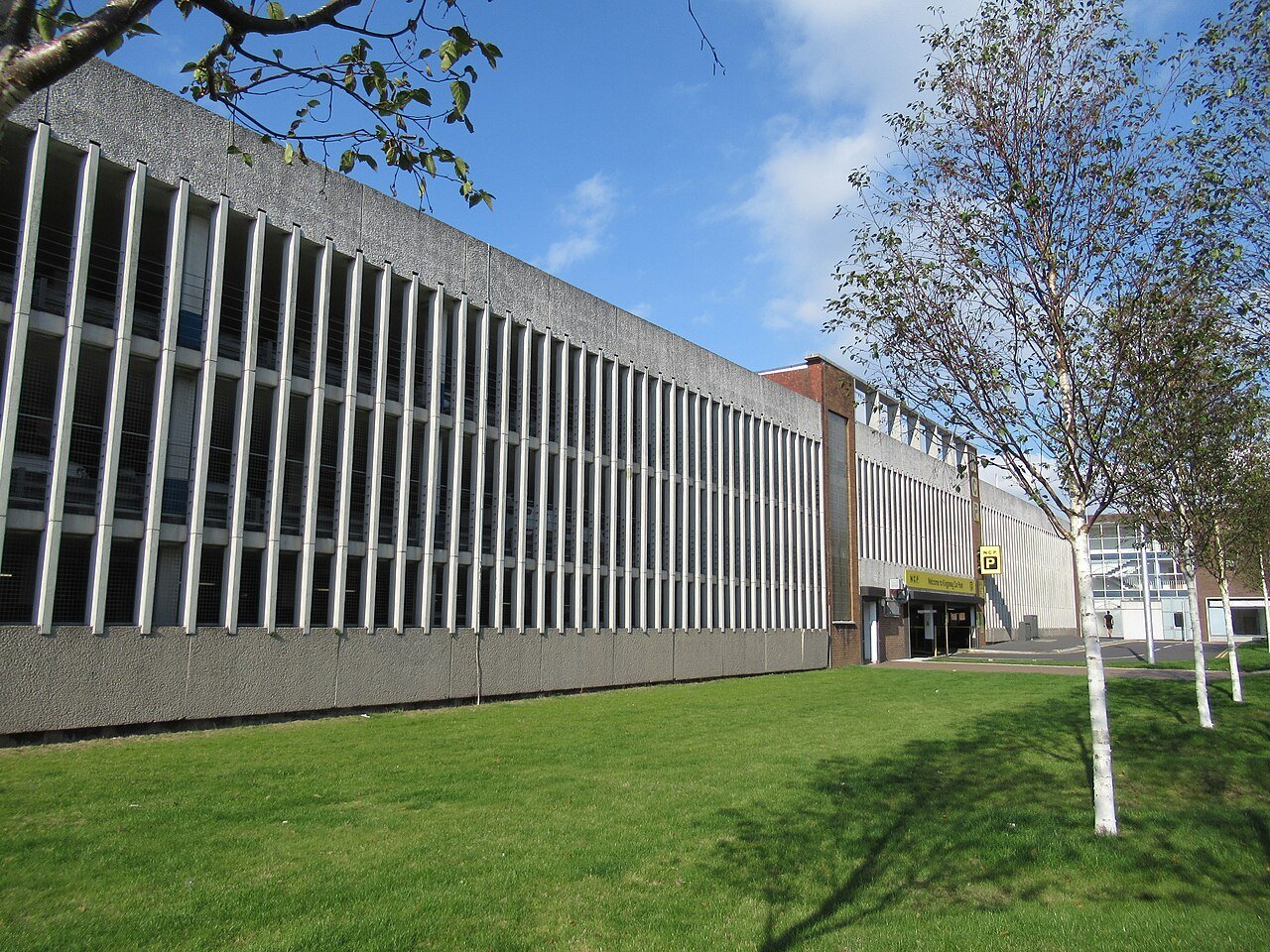
RIBA’s account of Brutalism connects the movement to architectural ideas associated with Alison and Peter Smithson and to the expressive use of materials, including concrete. The term describes a historical architectural conversation, not simply every large grey building. [1]
Look at what the building asks people to do
An assessment can begin with the route from pavement to doorway. Is the entrance legible? Are the spaces around the building comfortable to use? Does the interior make its purpose clear? These questions apply across styles and help separate a dislike of appearance from a difficulty of use.
Weathering also changes judgment. A material can acquire character, but maintenance failures can make a deliberate texture look neglected. Photographs taken when a building is new may reveal little about the responsibilities its design creates over decades.
A style is not a verdict
Admiration for an architectural movement should not make an inconvenient building immune from criticism. Equally, a neglected example should not settle the value of every work associated with it. Design, management, alteration, and changing use all contribute to the experience.
Brutalism is interesting partly because its buildings make their presence difficult to ignore. That presence invites a public argument about what institutions should look like and how large structures belong in everyday life. The strongest argument begins by looking closely: at the surface, certainly, but also at the person trying to find the door.