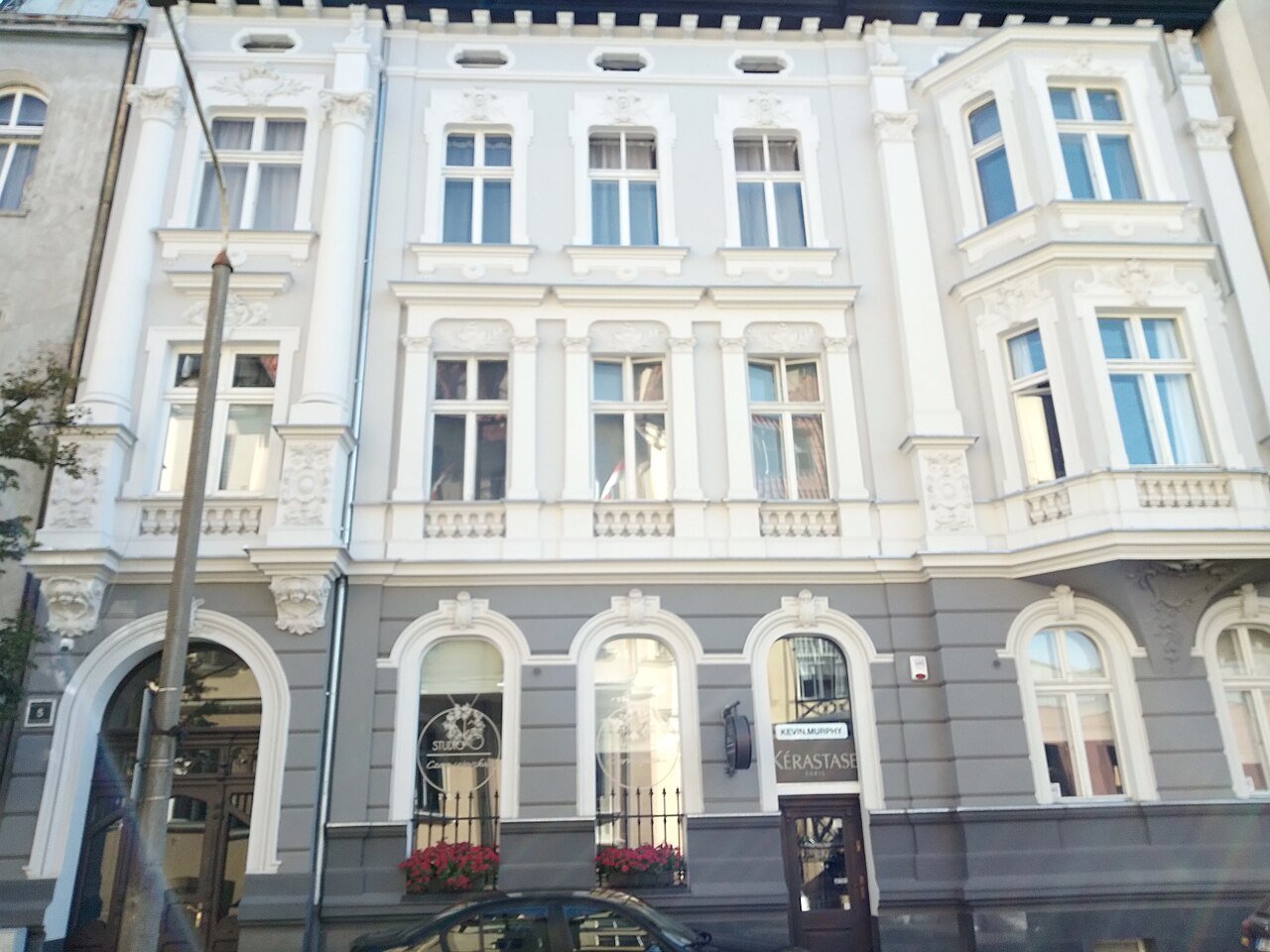

A new building offers an easy image of architectural change: an empty site becomes a finished object. Working with an existing structure produces a less straightforward story. The starting point already contains materials, routines, and people whose lives may be disrupted by the project.
The 2021 Pritzker Prize recognized Anne Lacaton and Jean-Philippe Vassal. The prize’s account of their practice emphasizes transformation and the possibilities of improving existing buildings. Their recognition provides a concrete example of architectural achievement being discussed through care for what is already there. [1]
Begin with what can remain
A reuse project asks a different first question from a replacement project. Which spaces work? What can be repaired or expanded? What do occupants value that an external observer might miss? The answers may reveal assets that are absent from a drawing of the site as vacant land.
Keeping a structure does not guarantee a good outcome. Existing constraints can be difficult, and an intervention still needs to address safety, access, and use. Reuse deserves serious evaluation rather than automatic praise.
Continuity is a design outcome
Disruption belongs in that evaluation. A proposal can improve a building on paper while making it difficult for its existing users to remain. Assessing architecture through the finished photograph alone leaves those consequences outside the frame.
The ambition of keeping a building is to make change possible without treating its past and present life as an obstacle to creativity. That can demand considerable invention: finding space where none seemed available, making an awkward connection useful, or repairing a relationship with the street. Architecture gains a broader vocabulary when achievement includes the intelligence of what was preserved.