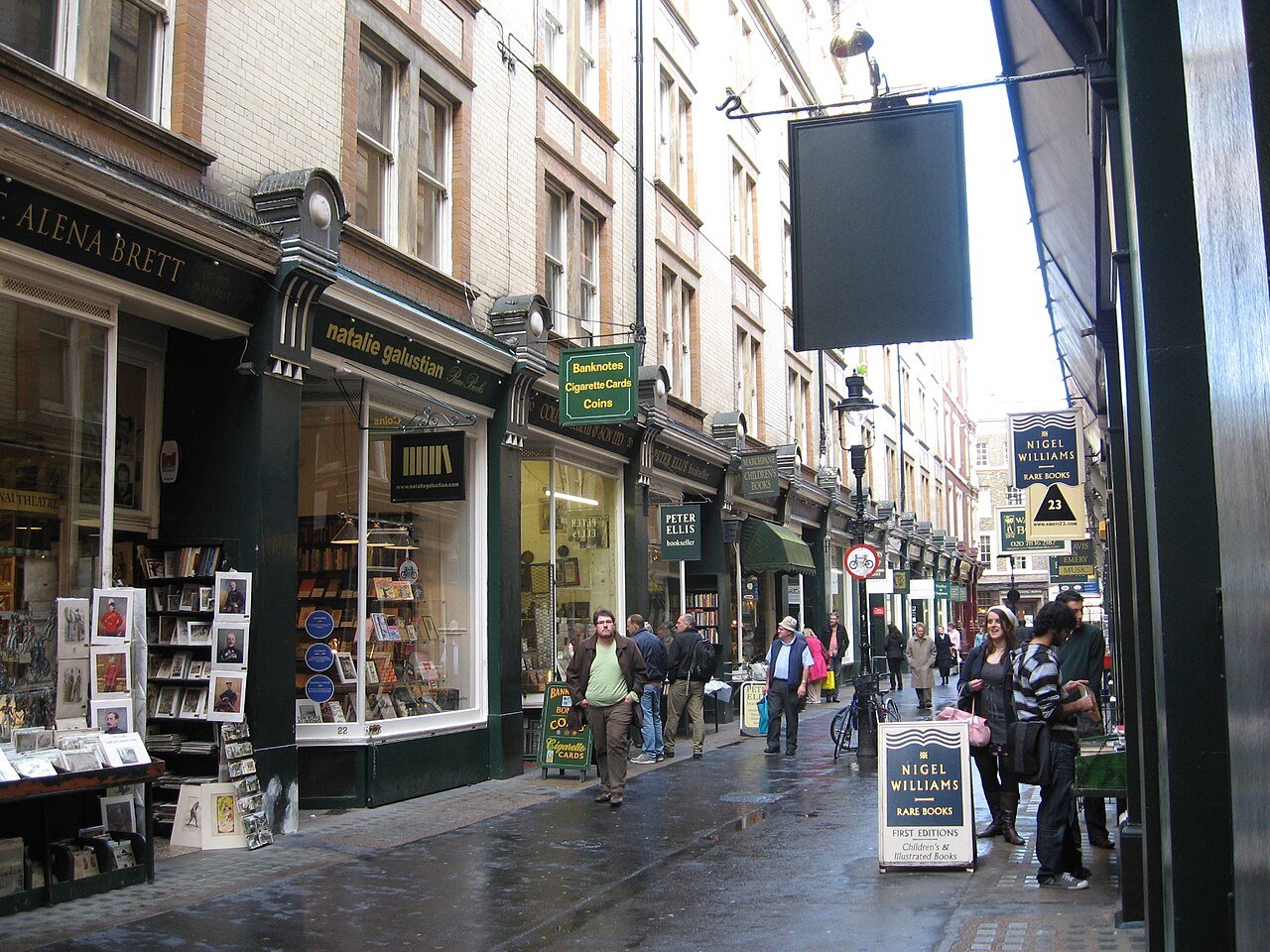

An errand can occupy a surprising share of a day when the destination is far away. The idea of a 15-minute neighborhood starts from that ordinary experience: essential activities should be reasonably close to where people live.
C40’s collection of city initiatives presents proximity planning through efforts to bring services and opportunities within easier local reach. The approach concerns the organization of neighborhoods. A goal of shorter everyday journeys should be distinguished from a claim that residents must remain inside a boundary. [1]
Distance is only one barrier
A nearby shop that a household cannot afford does not provide the same practical access as an affordable one. A short route interrupted by dangerous crossings may be difficult for a child or an older pedestrian. Measuring minutes without considering the traveler can produce a misleading picture.
The same is true of services. A clinic’s location matters alongside its opening hours and capacity. A park must be usable as well as visible on a map. Proximity planning becomes meaningful through these details.
Local life still needs wider connections
People will continue to travel for specialized care, work, education, and relationships. A neighborhood with useful local services also needs connections to the rest of the city. The two goals can support each other rather than compete for attention.
The practical test is whether residents gain worthwhile choices. Can more errands happen without a long journey? Do improvements serve people who already live there? Are the routes comfortable for different bodies and schedules? Those questions turn an easily politicized label into a discussion of actual daily life. A successful neighborhood gives people more of what they need close by while leaving the wider city within reach.