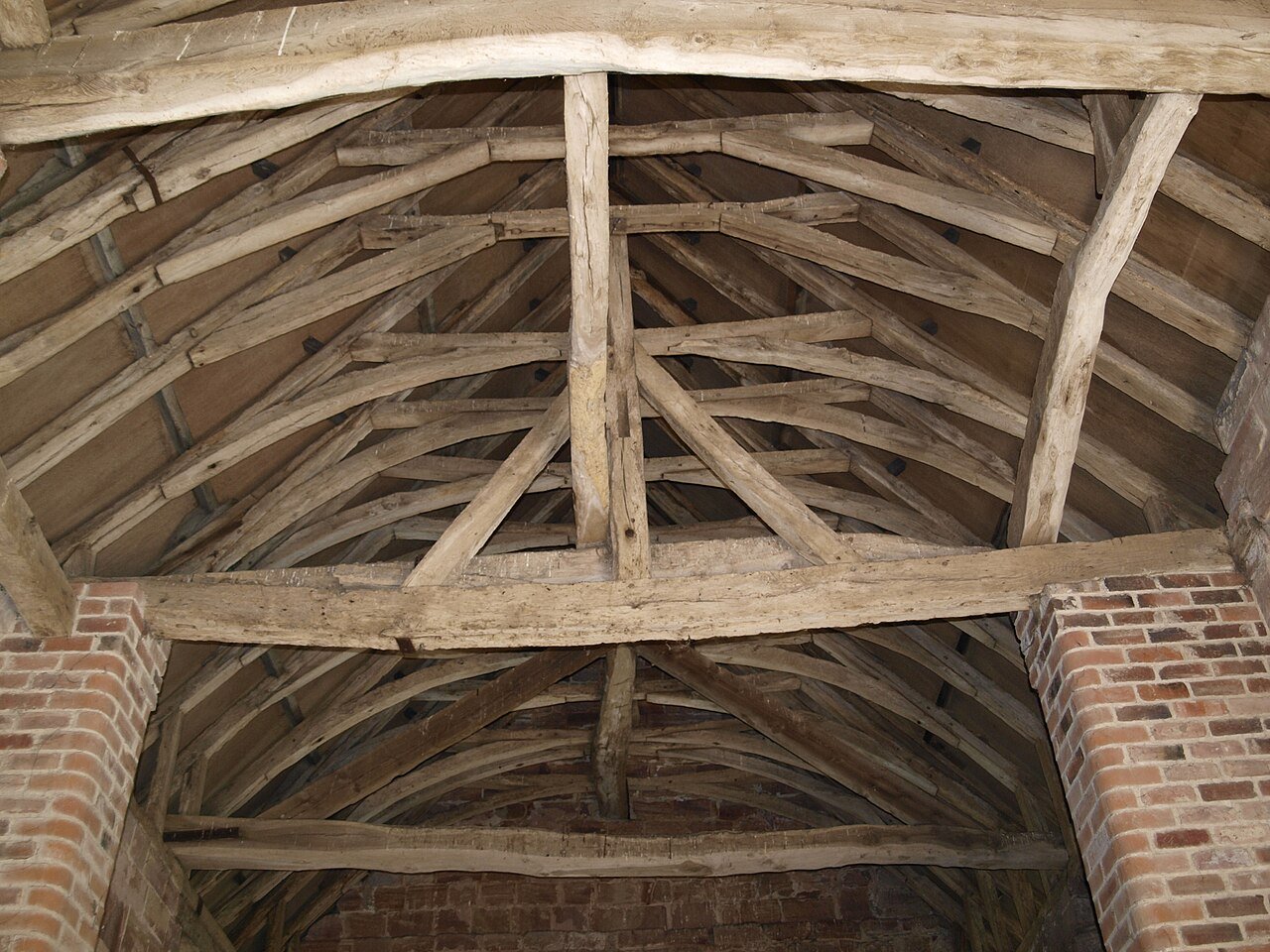

A timber tower attracts attention because it challenges an expectation about what a tall building is made of. But the striking image can make the material carry too much of the argument. A building’s performance depends on a system of choices, not simply the name of its principal structural component.
The US Forest Service describes mass timber as an area of wood-product innovation and research. Engineered wood systems allow designers to work with large structural elements rather than treating wood only as small framing members or finishes. Their use brings questions of performance and resource management into the same discussion. [1]
Specify the claim
Calling a building sustainable leaves important matters unresolved. Compared with what alternative? Over which period? With which assumptions about sourcing, transport, maintenance, and eventual disposal? A comparison needs consistent boundaries before its headline result becomes meaningful.
A similar discipline applies to safety. The relevant issue is how a specified assembly performs under the conditions it must meet, including its protective layers and connections. A general impression of wood cannot replace engineering evidence for the actual design.
The forest remains in the picture
A finished building can make its materials seem detached from their origins. Responsible discussion should keep the supply chain visible and ask what assumptions connect construction demand with forest management. A favorable result for one project cannot establish that every possible scale or source has the same consequences.
Mass timber is worth evaluating as an expanding set of building options. Its strengths become clearer when they are stated precisely, with limitations and comparisons readers can inspect. The question is not whether a material deserves unconditional enthusiasm. It is where a particular system can produce a well-performing building while meeting defensible obligations to the places its resources come from.