Listen to this article
Take the story with you. Choose a voice and a pace that suits you.
Or listen in another language / choose a voice
Getting your device voices ready…
The voice follows the displayed language and your browser’s regional preference when available. You can choose another narration voice.
The Urban Civil Rights Museum in Harlem opens to the public on Saturday 14 November 2026, and it starts from a simple observation: the movement’s map has a missing half. The famous museums stand in the South — Montgomery, Selma, Birmingham. This one, established by the National Urban League, tells the story of the fight in the North, and the League describes it as New York’s first museum dedicated to civil rights and one of the first in the nation built around the northern experience (Urban Civil Rights Museum).
The museum occupies nearly 12,000 square feet on the fourth floor of the Urban League Empowerment Center at 117 West 125th Street, a few blocks from the Apollo Theater and the Schomburg Center for Research in Black Culture (FTN News). The building is itself part of the argument: it holds the League’s national headquarters, community organisations and 171 affordable homes, and it marks the organisation’s return to the Harlem where it was founded in 1910 (FTN News).
Inside Moving History Forward, the exhibition that runs from the 1500s to now
The permanent exhibition, Moving History Forward, fills eight galleries and runs from the 1500s to the present day (FTN News). Its route takes in the roots of Black urban communities in the North, the transatlantic slave trade and slavery in the northern states, the Great Migration, the Harlem Renaissance, and galleries titled Fighting for Justice and Finding Our Way, told through documents, multimedia installations, recorded speeches and oral histories (FTN News; Harlem World Magazine).
The northern fight looked different, and the museum does not pretend otherwise. Up North there was often no “Whites Only” sign. There were landlords who would not rent, schools that stayed separate without a sign on the door, jobs that never quite opened — and the grassroots organising that built Black political power in northern cities anyway (The Harlem Times). Harlem is the right ground for that telling: the NAACP, the Urban League and CORE all built bases here, and figures such as A. Philip Randolph, Adam Clayton Powell Jr. and Ella Baker used uptown as a platform for labour rights, voting access and economic justice (The Harlem Times).
Jennifer Scott, the museum’s founding executive director and chief curator, has framed the institution as participation, not commemoration. “History is living, it’s unfinished, and we can impact it,” she told the Associated Press (FTN News). Feedback walls invite visitors to record their own experiences, including taking part in protests, and Scott has said of the museum’s work that it is “just getting started” (Harlem World Magazine).
Thriving! Harlem as Homeplace opens alongside, and the weekend is a neighbourhood party
The first temporary exhibition, Thriving! Harlem as Homeplace, examines the neighbourhood through its communities, landmarks and residents, and runs from 14 November 2026 to 17 May 2027 (FTN News). It features work by Harlem-born artist D. Lammie-Hanson, whose series Dared to Be Black and Shining uses metalpoint portraits of family members and memories of the streets she grew up on (FTN News).
The grand opening weekend, 14 and 15 November, is programmed like a block party with a thesis: jazz from the Kevin Oliver Jr. Jazz Trio, the Harlem Swing Dance Society, DJ sets, creative writing, jewellery-making and zine-making on Saturday, then more jazz and swing on Sunday, closing with West African drumming and dance (FTN News).
The Urban Civil Rights Museum in Harlem opens this weekend: tickets and hours
Admission is timed. General entry costs $20 for adults aged 25 to 61; tickets are $15 for visitors aged 13 to 24, seniors aged 62 and over, visitors with disabilities, and active US military personnel and veterans; children aged 12 and under go free (FTN News). Regular hours are 10 a.m. to 5 p.m. Wednesday to Saturday and noon to 5 p.m. on Sunday, closed Monday and Tuesday, with free 30-minute introductory tours included in admission (FTN News). The museum sits a short walk from the 125th Street subway stations, and the building offers step-free entry and accessible restrooms (FTN News).
Analysis: Museums decide which version of a country children meet first. For decades the standard school-trip story placed racism in one region and resistance in a handful of southern streets, which let northern housing covenants, school lines and hiring queues off the hook. A permanent museum on 125th Street, run by an organisation founded to help families arriving in the Great Migration, corrects the geography — and it does so inside a working building of homes and offices, not a marble annex. Whether it can keep drawing school groups and Harlem residents alike, rather than becoming a one-visit landmark, is the test that starts on Saturday.
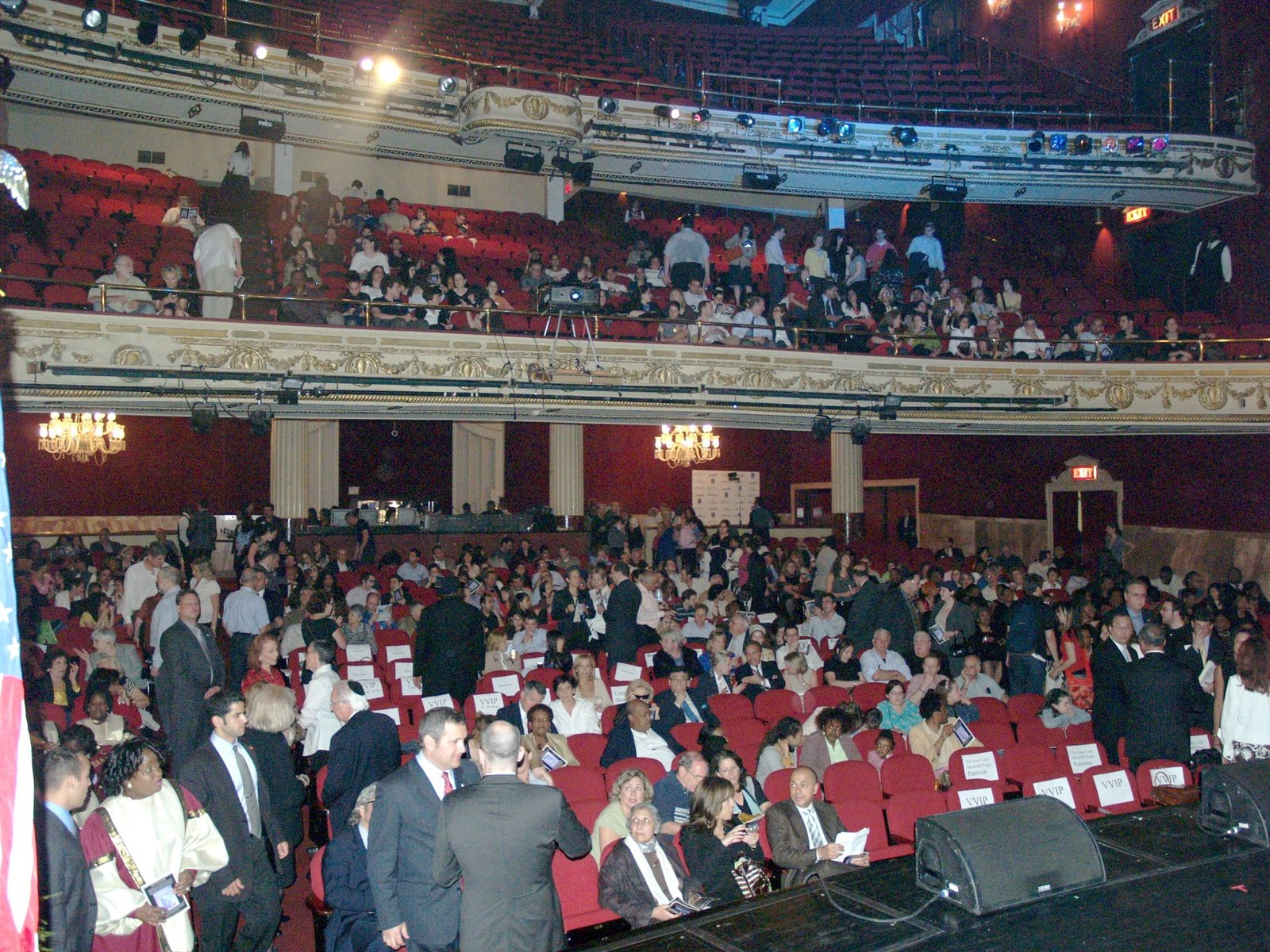
Photo: David Shankbone, via Wikimedia Commons (CC BY 3.0)
Sources
- https://urbancivilrightsmuseum.org/press/harlem-civil-rights-museum
- https://ftnnews.com/travel-news/tours/urban-civil-rights-museum-harlem-opening/
- https://theharlemtimes.com/online-news/the-civil-rights-story-the-north-forgot-opens-on-125th-street-nov-14
- https://www.harlemworldmagazine.com/new-urban-civil-rights-museum-opens-in-harlem-spotlighting-the-norths-untold-history/
Leave a comment
Comment as a guest and verify your email, or sign in or create a reader account. Guest comments reach our review queue after email verification; account holders can submit directly for review.