Listen to this article
Take the story with you. Choose a voice and a pace that suits you.
Or listen in another language / choose a voice
Getting your device voices ready…
The voice follows the displayed language and your browser’s regional preference when available. You can choose another narration voice.
You can own your flat, pay a mortgage on it for decades, and still rent the ground underneath it. That odd split is leasehold — and with this UK leasehold reform bill explained in full below, Parliament is now being asked to end it for most new flats and soften it sharply for people already living under it.
The Commonhold and Leasehold Reform Bill was introduced in the House of Commons on 19 November 2026 1. It applies to England and Wales only; property law is devolved in Scotland and Northern Ireland 1.
Information verified through 23 November 2026.
UK leasehold reform bill explained in one page
Start with scale. The government puts leasehold homes in England and Wales at an estimated 5.1 million 1. Housing minister Matthew Pennycook called leasehold a system that “denies individuals control over the homes they live in, and have paid for” 2.
The Bill does four big things. It caps ground rent. It ends forfeiture, the power that can put a home at risk over a small unpaid bill. It fixes flaws in the Leasehold and Freehold Reform Act 2024 so lease extensions get cheaper. And it revives commonhold — outright ownership of a flat, with neighbours jointly running the building — as the normal tenure for new flats 1.
None of that is law yet. The Bill still has to pass Parliament and receive Royal Assent, and its measures start at different times 3.
The ground rent cap 250 leaseholders will feel first
Ground rent is the annual payment a leaseholder makes to the freeholder for the land. It buys no service you can point to. The government plans to cap it at £250 a year, brought in six months after the Bill becomes law and expected in 2028, benefiting up to one million leaseholders 2. Pay less than £250 now? Your bill does not rise to meet the cap — £250 is a ceiling, not a new standard charge 3.
After the cap starts, ground rent falls to a peppercorn — effectively zero — after 40 years 1. That long tail is contested. Propertymark has called for a 20-year transition instead 5.
Other money changes sit alongside the cap. Ministers would gain powers to cap permission and administration fees — charges for routine requests such as keeping a pet or replacing a front door 1. Lease extensions would run to 990 years, marriage value would be scrapped for leases of 80 years or fewer, and leaseholders would stop paying their landlord’s costs in most cases 2. MoneySavingExpert notes the catch: the rates used to price extensions have not been published, so nobody can yet say how much cheaper an extension will be 3.
Forfeiture goes too. Under the current rules a home can be at risk over unpaid sums as low as £350; the Bill replaces that regime with a court-led process 2. The same protection extends to up to 1.75 million freehold homes on managed “fleecehold” estates 1.
What is commonhold UK flats owners will run themselves
Commonhold is not new. It has existed since 2002, yet fewer than 20 developments were ever created under it 2. You own your flat forever. No expiring lease, no ground rent, no third-party landlord. Owners run shared parts — roof, stairs, lifts — together through an association, and can hire a managing agent.
Why did it flop first time round? The HomeOwners Alliance points to three brakes: developers had a financial reason to stick with leasehold, mortgages were harder to get, and an existing block needed everyone’s consent to switch 4. The Bill attacks the third brake. The threshold to convert drops from 100% agreement to 50% support, and neighbours who do not consent can stay on modified leases until they sell 1.
Converting still means buying the freehold first. That cost is the unresolved question. The National Leasehold Campaign’s founders welcomed the Bill but said its true test is whether existing leaseholders get “an affordable and accessible route to commonhold” 3.
Reaction split cleanly. The Leasehold Advisory Service chair, Professor Nick Hopkins, called the move “the most significant change to home ownership for a generation” 1. Freeholder groups took the opposite view: the Residential Freehold Association said the Bill ends “Britain’s reputation as a safe place to invest,” and a Forsters lawyer warned the ground rent changes look “ripe for a judicial review challenge” 4.
Analysis: both warnings can be true at once. Removing a landlord does not remove the roof bill — it moves who decides how to pay it. Blocks that convert will need residents willing to budget and enforce payment against a neighbour. A different burden, not a smaller one.
When will leasehold be abolished — and when will it not?
Not soon, and not for existing homes. The timetable runs in stages: the ground rent cap in 2028, a modernised commonhold model around 2029, and a ban on selling most new leasehold flats about two and a half years after that — around 2031 2. Shared ownership is among the narrow exceptions 1.
Separate service charge reforms arrive earlier, under the 2024 Act: stronger information rights from April 2027, standardised bills for private landlords from November 2027, and the same for social housing from November 2028 1. Propertymark’s 2026 research shows why that matters: 78% of agents surveyed said at least one leasehold home had failed to sell or been taken off the market in the previous two years 5.
So read the headline carefully. Leasehold is not being switched off. It is being capped, fenced in, and — for flats not yet built — replaced. Your practical gains, if you already own a leasehold flat, arrive in 2027 and 2028: clearer bills, a capped ground rent. The bigger prize opens around 2029 — and only if your block can organise itself and afford the freehold.
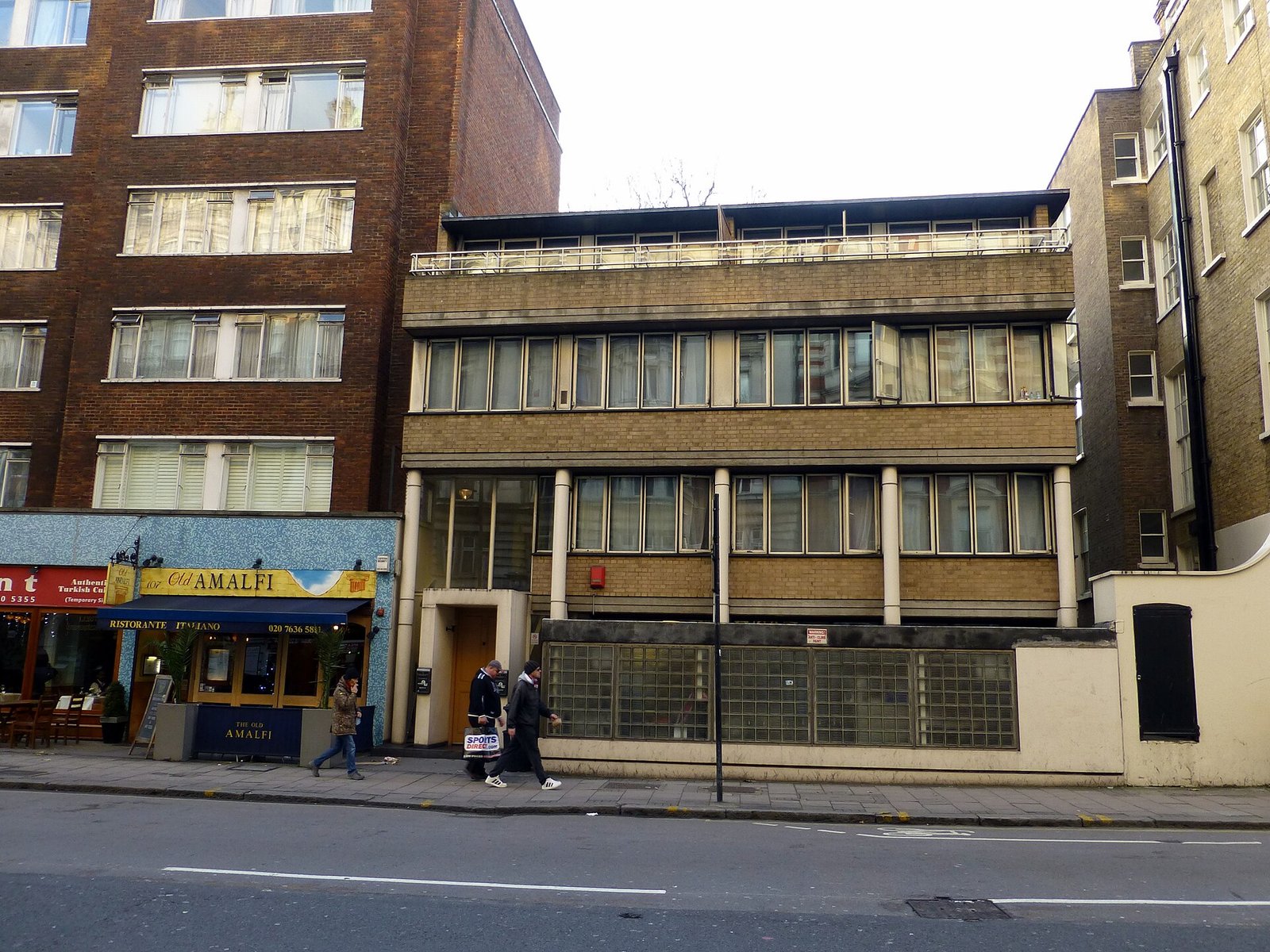
Photo: Paul Farmer, via Wikimedia Commons (CC BY-SA 2.0)
Sources
- GOV.UK — Beginning of the end for thousand year old leasehold system: https://www.gov.uk/government/news/beginning-of-the-end-for-thousand-year-old-leasehold-system
- GOV.UK — Historic move to dismantle leasehold and transform homeownership: https://www.gov.uk/government/news/historic-move-to-dismantle-leasehold-and-transform-homeownership
- MoneySavingExpert — Leasehold reform another step closer as Government introduces new Bill: https://www.moneysavingexpert.com/news/2026/11/commonhold-leasehold-reform-bill/
- Housing Digital — Leasehold reform Bill introduced to divided reaction: https://housingdigital.co.uk/leasehold-reform-bill-introduced-to-divided-reaction/
- Inside Conveyancing / Propertymark — Commonhold Bill reaches Parliament as we press for faster relief for flat owners: https://insideconveyancing.co.uk/news/commonhold-bill-reaches-parliament-as-we-press-for-faster-relief-for-flat-owners/
Leave a comment
Comment as a guest and verify your email, or sign in or create a reader account. Guest comments reach our review queue after email verification; account holders can submit directly for review.