Listen to this article
Take the story with you. Choose a voice and a pace that suits you.
Or listen in another language / choose a voice
Getting your device voices ready…
The voice follows the displayed language and your browser’s regional preference when available. You can choose another narration voice.
The Dutch minority coalition survives crisis talks that consumed four days in The Hague, and Prime Minister Rob Jetten’s government is still standing — narrower, chastened, and now dependent on an outside adviser to find it votes. The three governing parties confirmed late on Monday, 16 November, after more than 11 hours of talks at the Catshuis, that trust had been restored between Democrats 66 (D66), the Christian Democratic Appeal (CDA) and the People’s Party for Freedom and Democracy (VVD), Brussels Signal reported. Information verified through 22 November 2026.
Nobody should mistake survival for strength. The three parties hold 66 of the 150 seats in the House of Representatives, ten short of a majority, and the cabinet was sworn in on 23 February — less than nine months into its term when the crisis hit.
Dutch coalition crisis tax plan: the vote that split the cabinet
The break came over money. On 12 November, during the debate on the 2027 tax plan, D66 and the CDA brokered a deal with the opposition parties PRO and Volt to change the plan, cutting a planned income-tax increase and raising about €1 billion more from wealth taxes, Dutch Brief reported. Their own partner was not in the room.
The VVD opposed the wealth tax on the grounds that it would damage the Dutch business environment and deter foreign investment, and the amended bill passed the House of Representatives with the VVD voting against its own government’s tax plan. The vote was 76 to 74.
The reaction was not quiet. VVD leader and deputy prime minister Dilan Yeşilgöz publicly labelled the minority government a failed experiment and demanded a fundamental political reset. She also floated bringing another right-wing party into the coalition to secure a more stable bloc.
Jetten minority government crisis talks: four days at the Catshuis
At the press conference on Tuesday, 17 November, after an extra Council of Ministers meeting, Jetten did not dress it up. “We realise that we have tested the patience of the entire nation, but we are also relieved that, following several days of constructive discussions within the Cabinet and the coalition, trust has been restored,” he said. “I have been too optimistic about how easy it is to organise support,” he added.
The electoral maths helped the VVD step back. Forcing the cabinet’s fall would have pushed the Netherlands into its third general election since November 2023, and an Ipsos I&O poll published on 14 October put PRO on 28 seats, ten ahead of its nearest rival.
How the Dutch minority coalition survives crisis talks — and what was agreed
The deal is procedural, not ideological. Rather than expanding the cabinet, the three parties agreed to continue their minority arrangement with heavily revised ground rules for legislative cooperation. Jetten said the coalition wants clearer, more structured agreements with parliament on budgets, taxes and financial decisions, and admitted it had underestimated how hard finding majorities would be.
In a concession to the VVD, the other two parties agreed measures to help entrepreneurs invest, innovate and become more sustainable. One problem was left conspicuously open. The tax plan still needs the approval of the Senate before the end of the year, the coalition has no majority there either, and Yeşilgöz said it was up to the VVD’s senators to decide whether to back it.
Sybrand Buma advises Jetten cabinet: a free hand and a month to report
The most telling part of the settlement is who they called. Sybrand Buma, a former CDA leader and vice-president of the Council of State since July, has been recruited to advise the government; he also served as informateur in the 2025 talks that paved the way for the current coalition. He will not negotiate directly on the cabinet’s behalf; his job is to guide the coalition toward budget agreements with opposition factions in a transparent, structured way, and he has been given a month, until mid-December.
On Friday, 20 November, that brief got wider. Jetten sent Buma an official letter giving him a free hand — “The content and organisation of your work is entirely up to you” — and the Council of State said Buma works in confidentiality and will say nothing until he is done, NLnow reported. Jetten asked him to look at which forms of cooperation would let a minority cabinet and the Tweede Kamer work together best, so the budget process runs smoothly, and to review how the past months went. Jetten called it a new way forward and said he wants to work more along the Scandinavian model, as in Denmark.
Not everyone is impressed. PVV leader Geert Wilders attacked the arrangement on X on 20 November, calling Jetten incompetent and demanding new elections.
Analysis: A minority government lives vote by vote, and this one nearly died on a vote it won. The 76–74 tax result gave D66 and the CDA their amendment and cost them their partner’s trust in the same evening. Buma’s appointment is an admission that the coalition’s real deficit is not seats but process: it needs a standing way to borrow majorities instead of improvising one at midnight. His mid-December report, and the Senate’s verdict on the tax plan, will show whether “trust restored” was a settlement or just a pause.
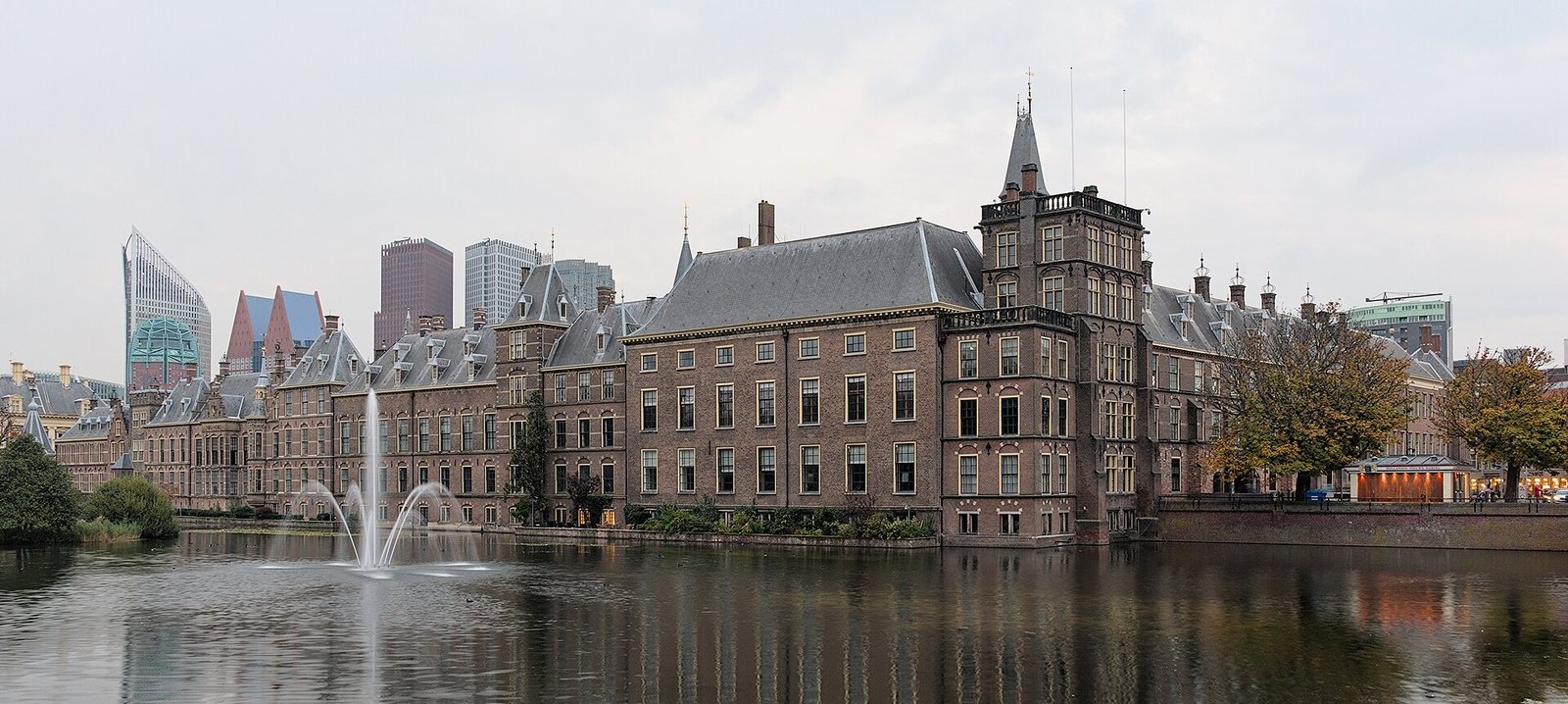
Photo: Trougnouf (Benoit Brummer), via Wikimedia Commons (CC BY-SA 4.0)
Sources
- https://brusselssignal.eu/2026/11/dutch-minority-coalition-survives-crisis-after-marathon-talks-restore-trust/
- https://www.dutchbrief.com/p/the-dutch-coalition-crisis-explained
- https://nlnow.nl/a/jetten-cabinet-survives-tax-plan-crisis-and-turns-to-buma/
- https://eutoday.net/dutch-coalition-survives-tax-revolt/
Leave a comment
Comment as a guest and verify your email, or sign in or create a reader account. Guest comments reach our review queue after email verification; account holders can submit directly for review.