Listen to this article
Take the story with you. Choose a voice and a pace that suits you.
Or listen in another language / choose a voice
Getting your device voices ready…
The voice follows the displayed language and your browser’s regional preference when available. You can choose another narration voice.
The Trump contractor executive order on congressional oversight was signed late on Friday, 20 November 2026, and it changes who hears about a congressional question first. President Donald Trump ordered companies with federal contracts to alert the White House before sharing information with Congress and to withhold material the administration deems confidential, Reuters reported. Information verified through 21 November 2026.
The order is Executive Order 14438, titled “Protecting the Executive’s Privileges and Enhancing Efficiencies in Federal Contracting.” It directs federal contractors to notify the White House of any request from Congress regarding their work with the executive branch, the White House said in a release. The timing is the story as much as the text: this lands weeks before a new Congress, elected this month, takes its seats.
What the Trump contractor executive order on congressional oversight requires
The mechanics are plain. All federal contractors must notify the White House and their contracting agencies of any pending or future congressional request about their communications or work with the executive branch, and abide by instructions on withholding communications the White House or the agency has determined are protected by executive privilege. “Agencies shall coordinate with the White House and contractors on appropriate responses to such congressional requests, including the application or assertion of any relevant privileges,” the order says.
It reaches down the chain, too. The requirements also apply to subcontractors, and agencies must make prime contractors responsible for ensuring their subcontractors comply.
The White House case is set out in its own text. It argues that executive privilege is rooted in the separation of powers, that Congress cannot seek information from agencies, employees or contractors without a valid legislative purpose, and that protecting confidential information from disclosure, including to members of Congress, is vital to the executive branch. It also argues that uncoordinated disclosures are wasteful, forcing the executive branch into separate litigation.
Federal contractors notify the White House before Congress: the penalty clause
An instruction without a sanction is a request. This one has a sanction. Companies that fail to comply could face cancellation of existing contracts or suspension from future federal business, Reuters reported. The order itself tells contracting agencies to consider all appropriate enforcement actions, including termination or cancellation of contracts and debarment or suspension of contractors.
That puts a contractor in a narrow place: answer Congress promptly and you may lose the contract. The restrictions could face legal challenges, particularly if contractors are told to withhold information sought through congressional subpoenas, Reuters noted, since courts can intervene in disputes over Congress’s authority to obtain information.
Friday’s order was not the week’s only move. It followed a directive issued this week by White House Counsel Will Scharf requiring federal agencies to obtain White House approval before employees agree to testify before Congress. Trump’s Justice Department has also argued that executive privilege can extend to communications between the president and outside advisers, even if those advisers do not work for the government.
Executive privilege and contractors withholding: where the legal fight sits
Executive privilege is real, and so is Congress’s power to investigate. The order pushes the first of those as far toward private companies as it has been pushed. Contractors are not executive branch employees. They are businesses — detention operators, airlines, builders, software firms — that happen to hold the records of how public money was spent and what was done with it.
Reuters framed the clash directly: the order is part of a broader effort by the Republican president to control what information reaches Congress and limit Democratic investigations, setting up a battle over presidential power and lawmakers’ authority to scrutinise the White House. The order’s own limits are also in its text. It states that it must be implemented consistent with applicable law and subject to the availability of appropriations, and that it creates no right or benefit enforceable at law. Those lines are where a court challenge would start.
Democrats congressional investigations January: what is already queued
The incoming majority has not waited for January to start writing letters. Democrats, who won control of both chambers of Congress in this month’s midterm elections, have vowed to investigate the administration, the president’s family business dealings and its relationships with private companies. They are preparing to investigate potential conflicts of interest, federal contracts, immigration enforcement and the administration’s handling of the Jeffrey Epstein investigation.
Spending is the other front, and it shows why contractor records matter. CNN reported that the Department of Homeland Security has in recent months awarded a nearly $1.3 billion contract for deportation flights and at least $1.5 billion for border infrastructure, as Democrats prepare to use their majorities for oversight of the department’s spending. “They want to use their spending authority that they’ve got to do what they want to do before there is a new sheriff in town,” Republican Representative Mark Amodei, who oversees the DHS budget in the House for the remaining weeks of the Republican majority, told CNN.
Analysis: Read the order for what it does to time. Oversight runs on documents arriving before memories fade and contracts close. A notify-first rule does not have to win in court to work; it only has to slow the paper down. The counterweight is just as practical. Committees can subpoena, courts can rule, and a contractor who withholds under instruction still has to explain that choice in public. January will test both sides of that equation at once — and the first company caught between a subpoena and a termination threat will set the terms for everyone behind it.
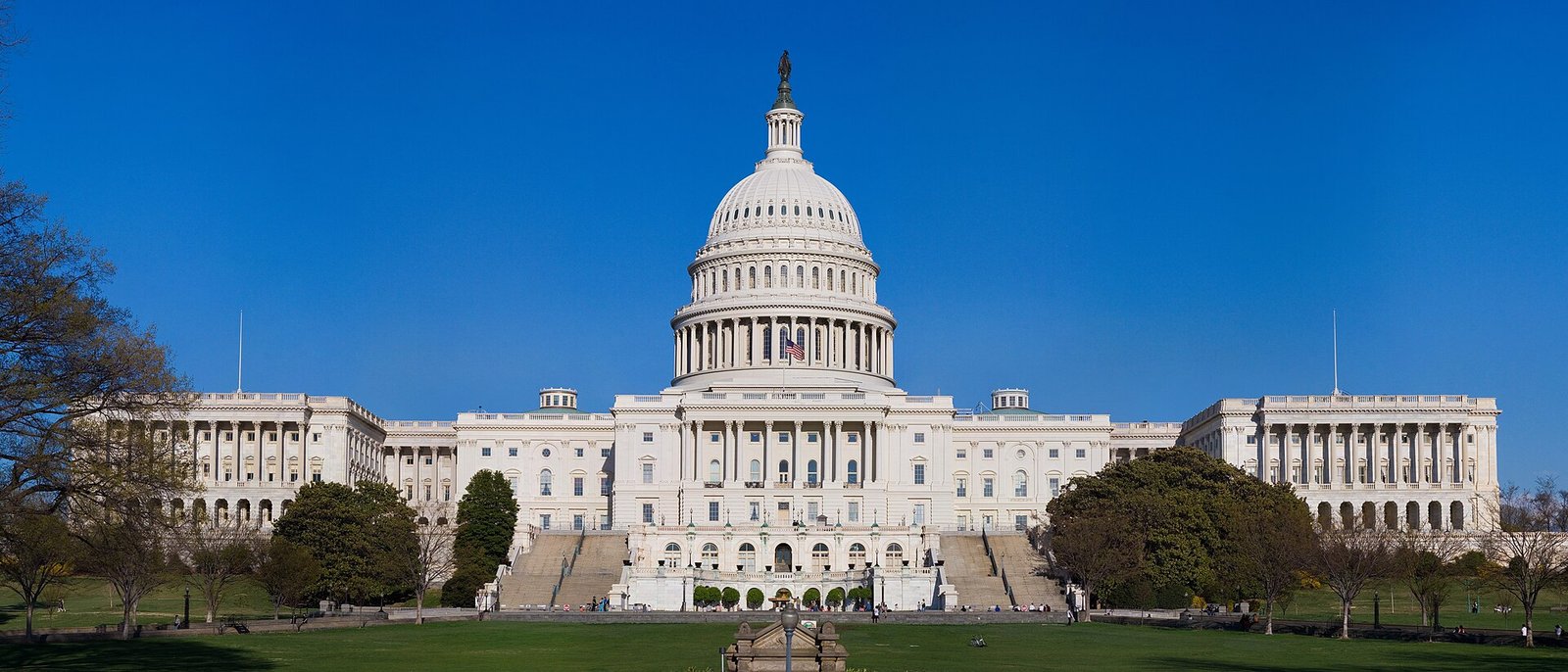
Photo: Noclip, via Wikimedia Commons (Public domain)
Sources
- https://www.reuters.com/world/trump-order-says-contractors-must-notify-white-house-congressional-probes-2026-11-21/
- https://wncy.com/2026/11/20/trump-order-says-contractors-must-notify-white-house-of-congressional-probes/
- https://www.whitehouse.gov/presidential-actions/2026/11/protecting-the-executives-privileges-and-enhancing-efficiencies-in-federal-contracting/
- https://www.cnn.com/2026/11/20/politics/dhs-money-deportations-planes-border-wall?cid=external-feeds_iluminar_meta
Leave a comment
Comment as a guest and verify your email, or sign in or create a reader account. Guest comments reach our review queue after email verification; account holders can submit directly for review.