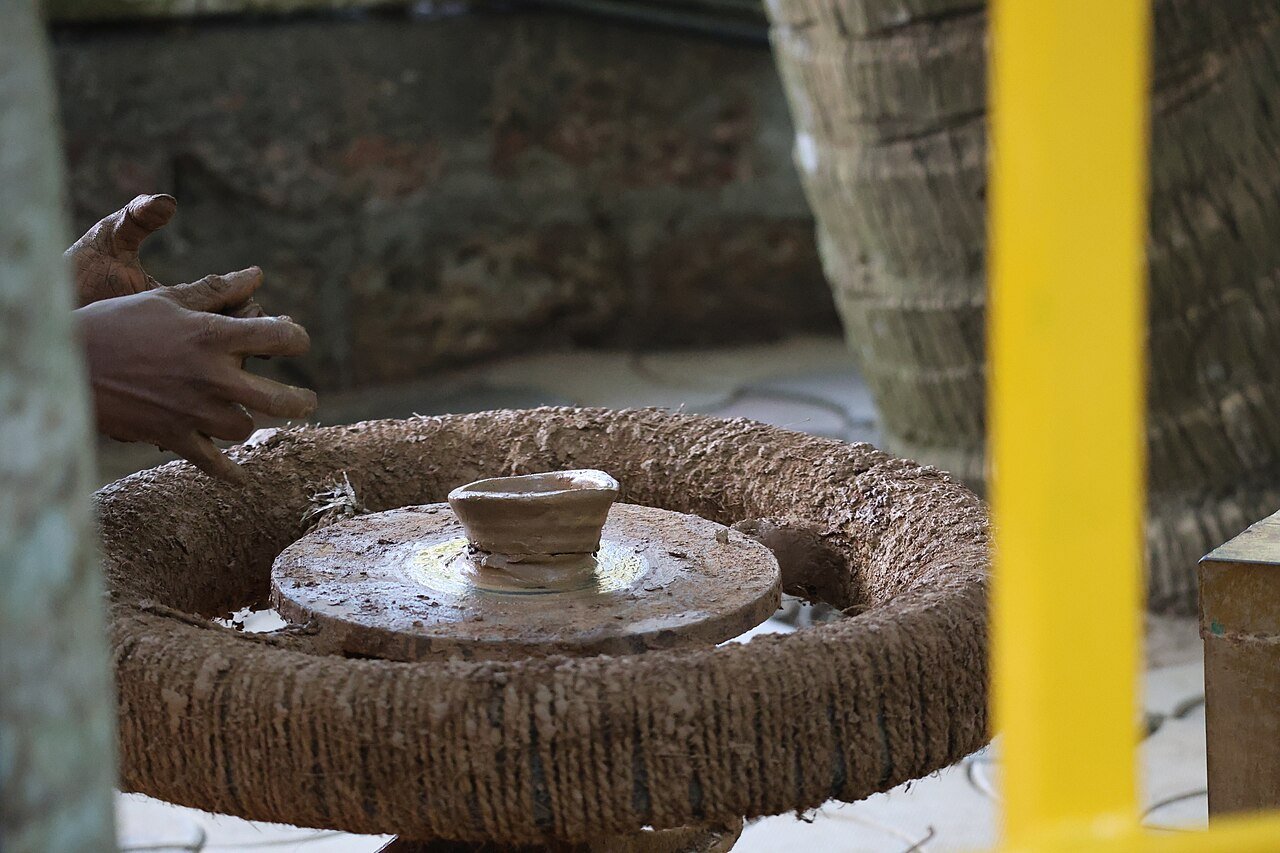

A beginner makes a lopsided bowl, misses a note, or finishes a run more slowly than expected. Those outcomes can feel embarrassing if every activity is imagined as evidence of competence. They can also be the ordinary price of doing something unfamiliar.
A hobby offers a useful kind of permission: the activity can matter without producing an impressive result. Enjoyment, curiosity, and the pleasure of returning are sufficient reasons to continue. Improvement may follow, but it need not justify the time retrospectively.
Resist the second job
The question “Could you sell these?” can be encouraging. It can also change the terms of the activity. Once the imagined audience becomes a customer, decisions about speed, consistency, and marketable taste begin to enter a space previously organized around interest.
Some people welcome that transition. Others may prefer to keep one part of life free from it. Choosing not to monetize a skill is not a failure to recognize its value; it can be a decision about which kind of value matters there.
Beginners need company
A welcoming group makes imperfect participation ordinary. It gives newcomers a way to ask elementary questions and remain involved before they can perform confidently. The atmosphere depends on experienced members remembering that fluency was acquired, not given.
The wider argument is about how adults are allowed to spend time. An activity does not have to repair every problem, increase productivity, or become an identity. It can be a regular hour in which attention follows interest. A badly shaped pot may never become a beautiful object. The afternoon spent making it can still have been a good part of a life.