Listen to this article
Take the story with you. Choose a voice and a pace that suits you.
Or listen in another language / choose a voice
Getting your device voices ready…
The voice follows the displayed language and your browser’s regional preference when available. You can choose another narration voice.
Ask why are Americans drinking less alcohol and the numbers come first. Only 54% of U.S. adults say they drink, a figure Gallup’s latest Consumption Habits survey held for a second straight year as the lowest reading since the firm began asking in 1939 (NACS). Self-reported drinking slid from 62% in 2023 to 58% in 2024 and 54% in 2025, then stayed there this year. Spending tells the same story in dollars. Alcohol accounted for 0.77% of U.S. household consumption spending last year, the lowest share since the Bureau of Labor Statistics survey began in 1984, according to reporting cited by the Seoul Economic Daily.
Information verified through 2 November 2026.
Why are Americans drinking less alcohol now?
Health belief moved, and it moved fast. Gallup found 51% of adults now say drinking one or two alcoholic beverages a day is bad for health, near last year’s record high of 53% and up from 27% in 2001 (Unusual Whales). Awareness moved with it: 86% of Americans say they have heard at least something about recent studies on the long-term health effects of drinking, up from 79% in 2024 (NACS).
Dr. Katie Witkiewitz, a psychology professor at the University of New Mexico interviewed by SciLine on 14 October 2026, pointed to several pressures at once: greater awareness of research linking even light drinking to higher breast cancer risk, smartwatches showing people they sleep worse after drinking, a wider range of non-alcoholic drinks on sale, and the growth of Sober October, Dry January and sober curious movements on social media, especially among younger adults. No single cause explains a nine-decade low. The survey measures behaviour and attitudes, not cause and effect, and the honest reading is a stack of small reasons arriving together.
Cost sits in that stack too. The Seoul Economic Daily report put annual alcohol purchases at $630 per household and noted the share fell below even the pandemic year of 2020, when bars and restaurants were shut for long stretches. People aren’t only drinking less often. Those who still drink reported an average of 3.2 drinks in the past week, down from an average of 3.9 across the prior five Gallup readings, and just 13% say they sometimes drink too much — also a record low (Unusual Whales).
A US alcohol consumption record low, led by younger adults
The pullback is sharpest where drinking culture once started. Research cited in the Seoul Economic Daily report found the drinking rate among Generation Z adults aged 18 to 29 fell by more than five points between 2022 and 2024, the largest decline of any age group, while excessive drinking among millennials aged 30 to 49 fell 17% over the same period. Heavy drinking rose among adults aged 50 to 64 in that research, a reminder that this isn’t a uniform national turn.
Witkiewitz called the youth shift the part that matters most. Younger adults have historically shown the highest rates of drinking and of alcohol-related problems, so reductions in that group change where problems develop later. She also noted that even small cuts — fewer drinks, fewer drinking days — can improve sleep and mood and lower blood pressure, benefits people can feel within weeks rather than decades (SciLine).
Medicine may be adding a quiet push. About 10 million people in the United States took GLP-1 drugs such as Ozempic and Wegovy last year, according to a JP Morgan survey cited in the Seoul Economic Daily report, and surveys in Europe and the U.K. found reduced drinking among users. Witkiewitz told SciLine that three clinical trials published in the past 18 months suggest GLP-1 drugs might help people reduce drinking, and that they seem particularly helpful for cutting back rather than stopping altogether. That evidence is early. It shouldn’t be stretched into a claim that weight-loss drugs caused the national decline.
What drinkers choose instead: nonalcoholic drinks alternatives and spirits
Beer still leads, barely. Gallup put beer at 36% of drinkers, spirits at 32% and wine at 30%, with preferences shifting toward spirits by 12 points since 2016 and away from beer by seven points while wine held near 30% (NACS).
The newer habit is substitution, not just abstinence. For the first time, Gallup asked about nonalcoholic alternatives: 17% of Americans, including 20% of drinkers and 14% of non-drinkers, said they had consumed nonalcoholic beer, wine or spirits instead of an alcoholic drink in the past year, and 38% of drinkers who use them say they’re drinking more of them than they used to (NACS). Producers have noticed. The Seoul Economic Daily report described ready-to-drink canned cocktails aimed at younger buyers and stronger premium lineups aimed at people who drink less often but spend more when they do.
The business cost is real either way. U.S. wine and spirits sales volume fell 6.5% in the 12 months through June, American whiskey inventories have tripled since 2012, and shares in major drinks groups have fallen sharply over five years, according to figures cited in the same report.
Analysis: A second year at 54% matters more than the first. One low reading can be a blip after a bad news cycle about health risks. Two in a row, alongside record-low household spending share, looks like a new baseline — social life reorganising around coffee, fitness, daytime meetups and drinks that happen to contain no alcohol. Bars won’t vanish. The automatic round, though, is losing its status as the default way adults mark the end of a working day.
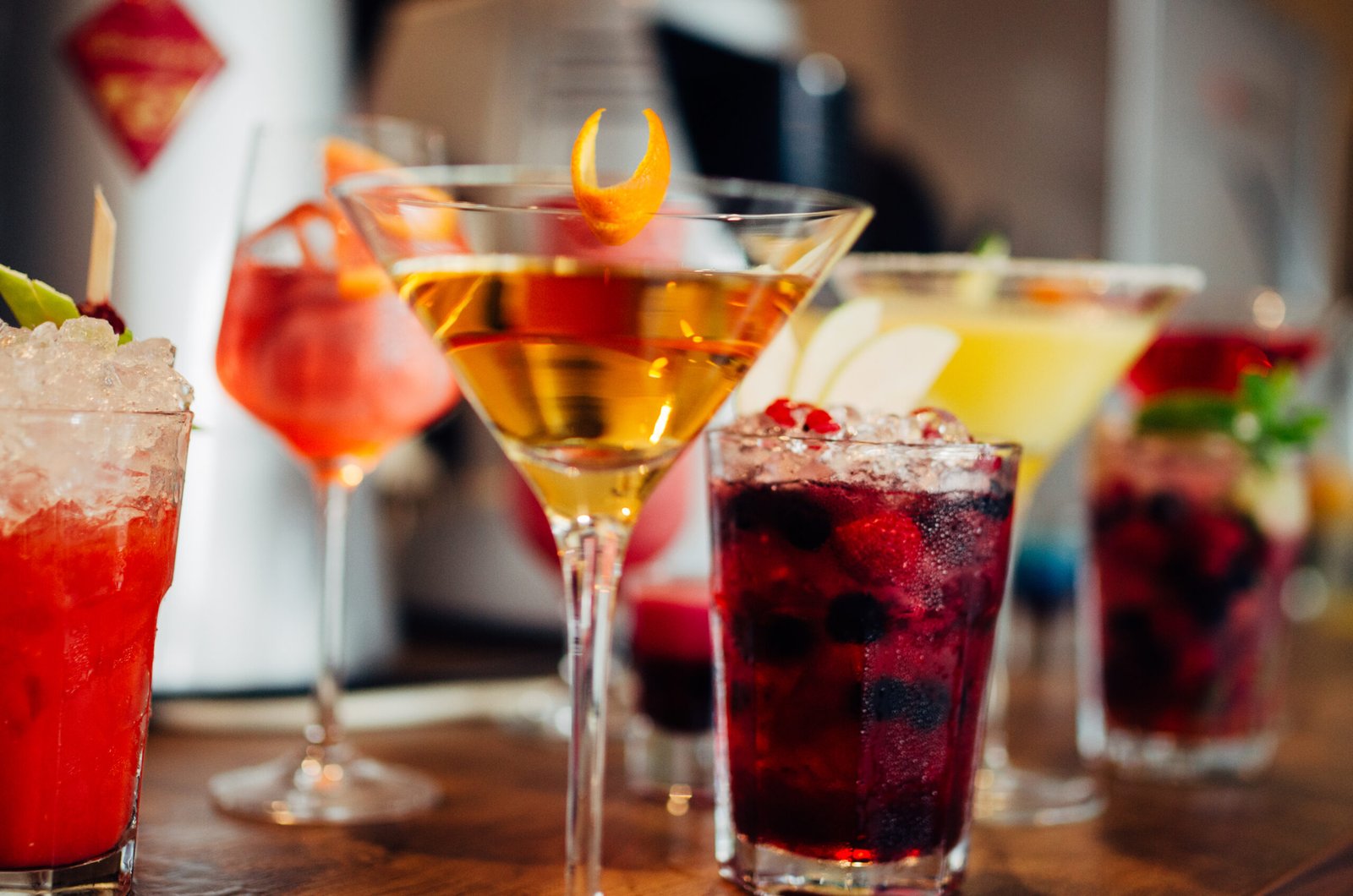
Photo: Shixart1985, via Wikimedia Commons (CC BY 2.0)
Sources
- https://en.sedaily.com/international/2026/11/01/us-alcohol-spending-falls-to-record-low-as-young-adults
- https://www.convenience.org/stay-current/news/2026/august/31/gallup-drinking-remains-at-record-low
- https://www.sciline.org/learn/americans-drinking-less-alcohol/
- https://unusualwhales.com/news/americans-drinking-less-alcohol-than-ever-gallup
Leave a comment
Comment as a guest and verify your email, or sign in or create a reader account. Guest comments reach our review queue after email verification; account holders can submit directly for review.