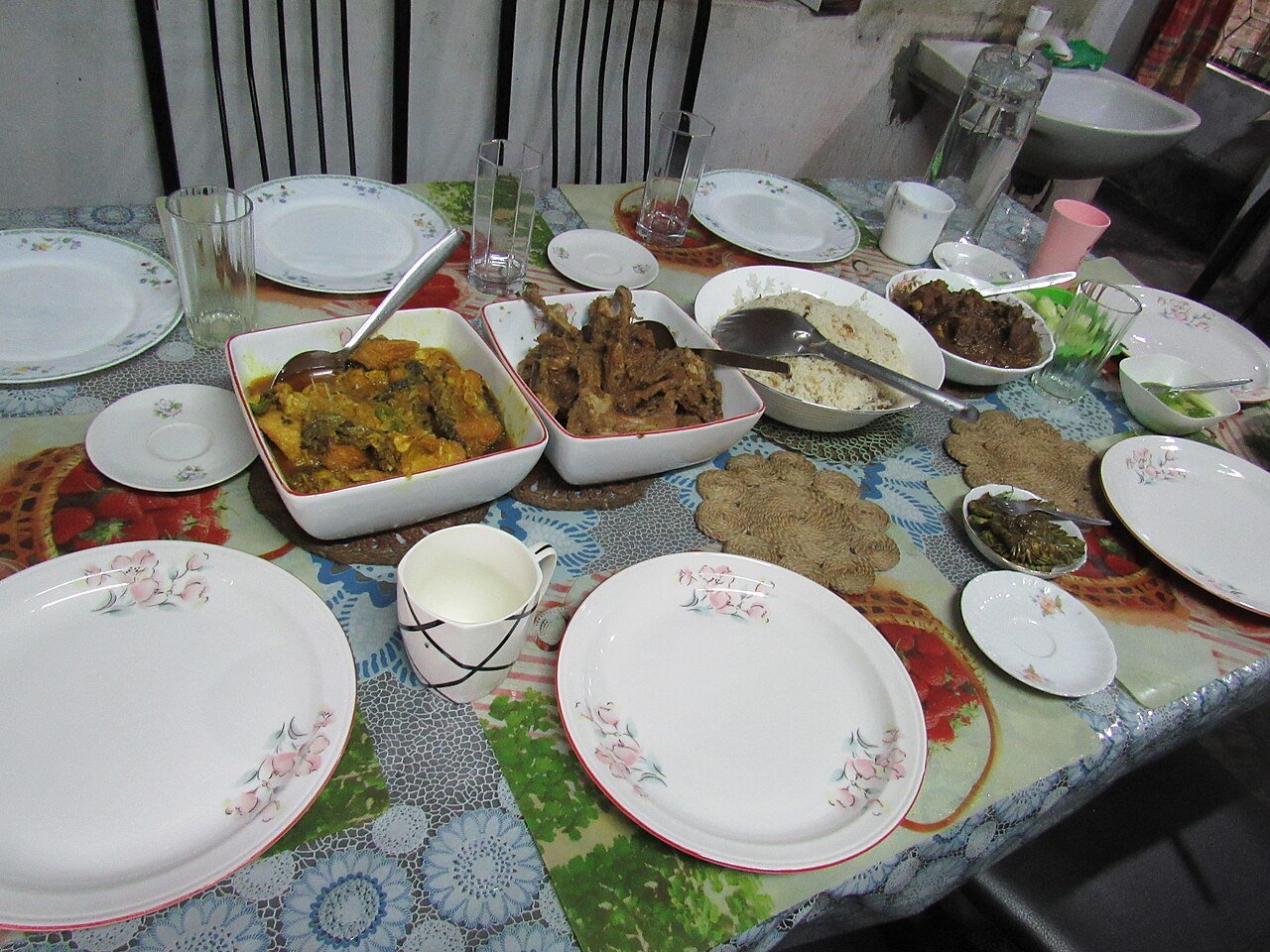

An invitation to dinner can acquire unnecessary weight. The host imagines an impressive table, a menu with a theme, and an evening that moves without awkwardness. The guests may simply be pleased that someone has suggested a time to meet.
Treating the meal as an ordinary occasion changes its demands. A familiar dish can be cooked without turning the kitchen into a test. A guest can contribute something useful. The gathering has a purpose before the first plate arrives: people have agreed to spend time together.
Make the practical things easy
A clear start time and a question about dietary needs can do more for comfort than elaborate decoration. So can permission to arrive without bringing a gift or to leave when the evening has reached its natural end. Good hosting reduces uncertainty.
That ease should extend to the host. A meal requiring constant attention can make the person who invited everyone the least available participant. Choosing something manageable is a way of protecting the conversation, not a failure of ambition.
Repetition makes company possible
An exceptional evening may be memorable, but an achievable one is more likely to happen again. Friendship benefits from occasions that do not require weeks of preparation. A simple meal can become part of a relationship’s ordinary rhythm.
There is no need to turn this into another rule about the correct way to socialize. Some people enjoy elaborate cooking; others have little space or time to host. The useful idea is permission: hospitality can be modest, shared, and imperfect. A successful dinner is not necessarily the one guests photograph. It may be the one that makes another invitation feel easy to accept and easy to offer.