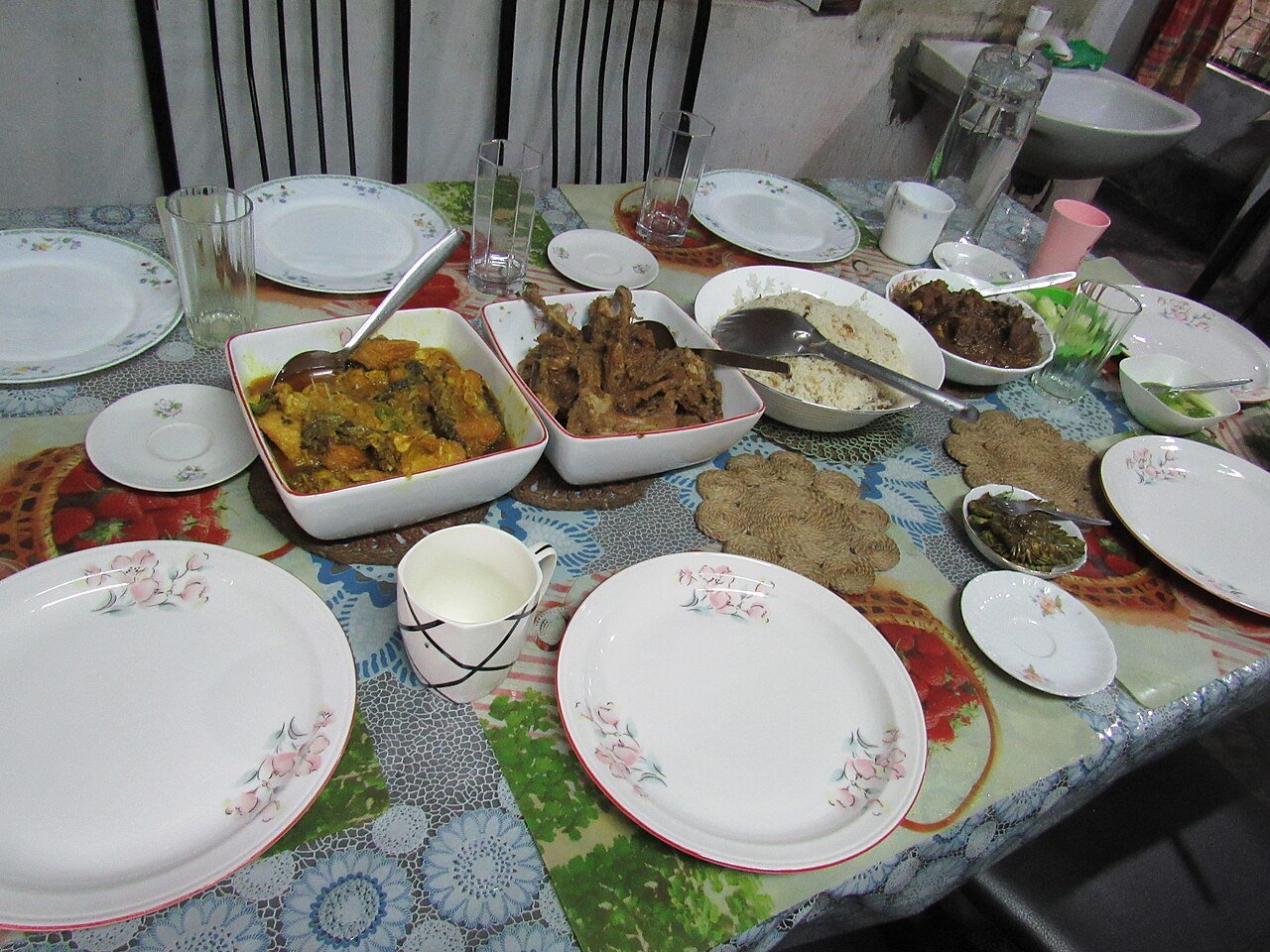

An image of an unhurried life often contains beautiful objects and very little visible labor. The table is set, the bread is ready, and nobody appears to be late for work. Such an image can express a wish for attention while making the conditions of that attention disappear.
Slow Food’s history records the international movement’s foundation in 1989. Its development offers a concrete reminder that “slow” has a history of organized cultural concerns around food, rather than existing only as a contemporary aesthetic. That history does not make every modern slow-living claim part of the same movement. [1]
Time is distributed unequally
A leisurely routine depends partly on resources and responsibilities. A person working several jobs may have little control over the pace of a day. Advice that treats haste entirely as a personal preference can mistake constraint for poor judgment.
This does not make small choices meaningless. Eating without another task running alongside the meal or giving one activity undivided attention can be valuable where possible. The point is to avoid turning an opportunity into a moral demand that everyone must satisfy equally.
Keep the practice larger than the picture
A slower approach might involve repairing something, cooking a familiar dish, or declining an unnecessary commitment. None requires a coordinated set of possessions. If the pursuit creates another cycle of purchasing and self-comparison, its purpose deserves reconsideration.
The strongest version of slow living asks which parts of life are being hurried past and why. That question can lead to individual changes, but also to concerns about work and care. An unhurried life becomes more interesting when it is discussed as a possibility people should be able to share, rather than an appearance a few can afford to arrange.