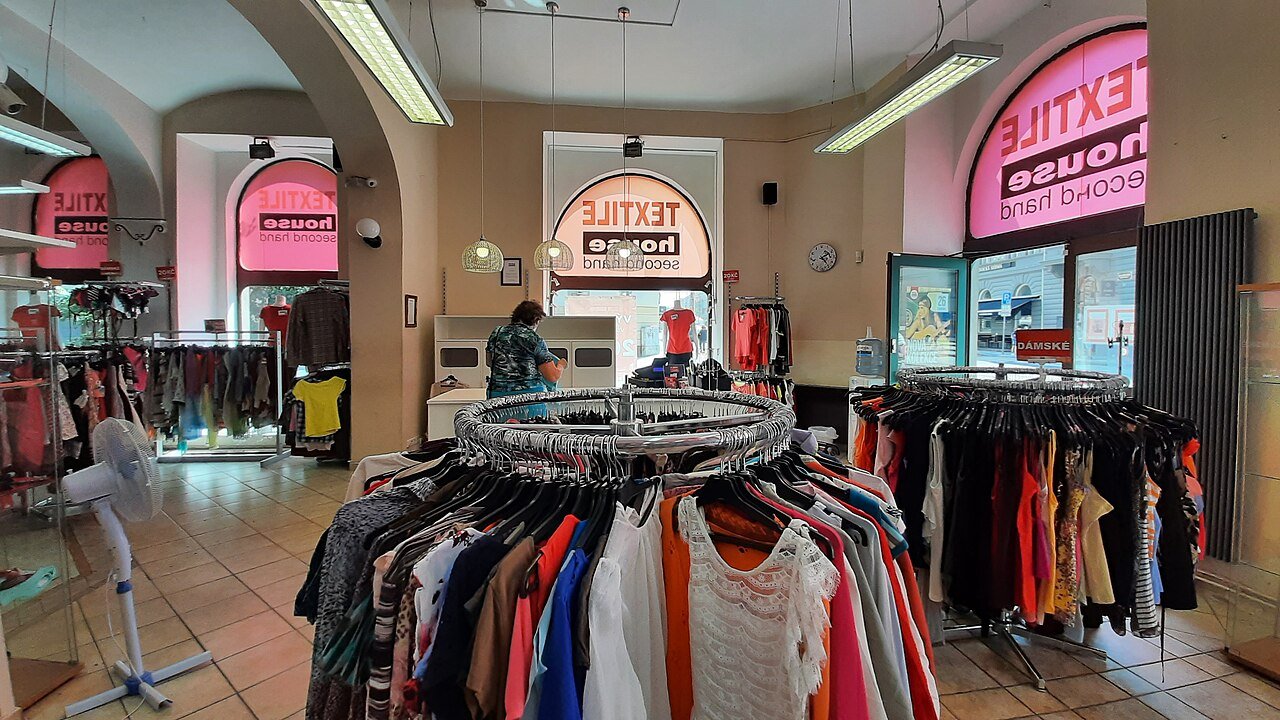

A secondhand garment already has a material history. Its fibers have been produced, its fabric made, and its seams assembled. Giving it further use can change the length of that history, but the meaning of the purchase also depends on what the buyer would otherwise have done.
The European Environment Agency’s work on textile circularity emphasizes longer use, reuse, and repair within a wider account of the sector’s impacts. This places resale among several practices affecting a garment’s life, rather than treating the transaction alone as a complete environmental solution. [1]
More use or more buying?
A coat purchased secondhand to replace a worn-out one is a different decision from an additional coat rarely worn. The category of purchase tells only part of the story. Frequency of use and the pace of acquiring new items remain relevant.
The same distinction helps explain why a growing resale market cannot by itself establish a reduction in total consumption. More transactions might reflect better circulation, more accumulation, or a mixture of the two. The wider pattern needs evidence.
Condition is part of value
A useful secondhand purchase requires attention to fit, wear, and the work needed to make an item usable. A low price can be less attractive if the garment cannot realistically enter the buyer’s routine. Conversely, a repairable fault may leave a well-made object with considerable life ahead.
Resale is most meaningful when connected to the everyday practice of using what is owned. Its promise extends beyond the excitement of finding a bargain. It can support a relationship with clothing in which keeping, caring, and repeating are ordinary pleasures. The important question is what happens after the parcel arrives and the garment joins the wardrobe.