Listen to this article
Take the story with you. Choose a voice and a pace that suits you.
Or listen in another language / choose a voice
Getting your device voices ready…
The voice follows the displayed language and your browser’s regional preference when available. You can choose another narration voice.
The I AM Indigenous Artist Mentorship exhibition Whyte Museum opens on Saturday 21 November in Banff, and its title is a sentence the artists finish themselves. I am here. I am multifaceted. I am the past, present, and future of Canadian art — that is how the Whyte Museum describes the declaration running through the show. Thirteen Indigenous artists. One year of work. No group theme imposed from above. Information verified through 16 November 2026.
The opening is a free public event, running 7 to 9 p.m. on 21 November at 111 Bear Street, with no registration required. A curator and mentor talk follows the next morning, 22 November. What visitors will walk into is less a group exhibition in the usual sense than the end point of a process — a year in which established artists were paid in time, materials and attention to make the work they actually wanted to make.
The I AM Indigenous Artist Mentorship exhibition Whyte Museum grew out of a 2025 landmark
The show has a specific parent. In 2025 the Whyte presented The Ancestors Are Talking, curated by Joseph M. Sanchez, the last surviving member of the Indigenous Group of Seven. Sanchez saw that exhibition as a chance to foster the next generation, and the mentorship grew directly from it: a year-long intensive programme guided by Sanchez and AJA Louden, in which participating artists made new work, some of it in direct response to the 2025 show and its legacy.
The project’s own account, written by curator Emma De Sousa, traces it back further — to a September workshop that closed out a four-year mural programme run with Parks Canada, where past participants were invited back and began developing concepts among the Whyte’s archives and collections, in De Sousa’s telling in her account of the project. The initial concept widened as the artists’ own ideas came in. The goal, she writes, was to provide time, resources, materials and mentorship for what many of the artists treated as dream work.
The thirteen artists span nations, generations and career stages: Brandon Atkinson, Cheyenne Bearspaw, Bruno Canadien, Hali Heavy Shield, Kyle Kaquitts, Brendon Many Bears, Nathan Meguinis, Kristy North Peigan, Jarron Poucette, Lillian Rose, Giona Smalleyes, Gordon Wesley and Tiffany Wollman. Their subjects run from kinship and spirituality to pop culture and self-representation. De Sousa, an emerging Métis curator, organised the exhibition around kiyokewin, a visiting methodology, and wahkohtowin, kinship and reciprocity — curation as relationship, not just selection.
Sitting Wind Frank Kaquitts exhibition Banff: the elder in the next gallery
Opening the same night, the Sitting Wind Frank Kaquitts exhibition Banff gives the winter season its second half. Sitting Wind — Ganutha Îge, also known as Frank Kaquitts — was an Îethka (Stoney) artist born in Maskwacis and raised in Mînî Thnî (Morley), who studied landscape painting at the Banff School of Fine Arts with the support of the Stoney Nation and the encouragement of Peter and Catharine Whyte.
The exhibition presents paintings from Peter and Catharine Whyte’s collection alongside archival materials and audio, tracing a career across the visual language of the land, Indigenous life and his later work — including the “Quadravision” paintings that layer past, present and future in a single frame. It honours his chapters as political leader and film actor, and, in the museum’s words, most importantly as a family man. That last phrase is literal here: Kyle Kaquitts, one of the thirteen I AM artists, is Sitting Wind’s grandson, raised in Mînî Thnî and introduced to art by him, as the project’s artist introductions record.
Joseph M Sanchez Indigenous Group of Seven mentorship is the thread stitching the two galleries together. In one room, the last surviving member of a collective that forced Indigenous art into Canada’s canon in the 1970s hands the wall space to thirteen successors. In the next, a painter he never belonged to the same generation as — mentored by the museum’s own founders — gets his due. The Whyte is not hiding the through-line. Mentorship is the exhibition’s subject as much as its method.
Analysis: museums run mentorship programmes often, and most produce a pleasant show and a forgotten PDF. This one has a sharper structure: a named lineage, a living link to it in Sanchez, a family link in the Kaquitts line, and a curator building the show on reciprocity rather than extraction. Whether the work itself lands is a question only the galleries can answer from 21 November. The structure, at least, is the argument — Indigenous art in Canada presented not as a tradition that ended, but as a relay still being run.
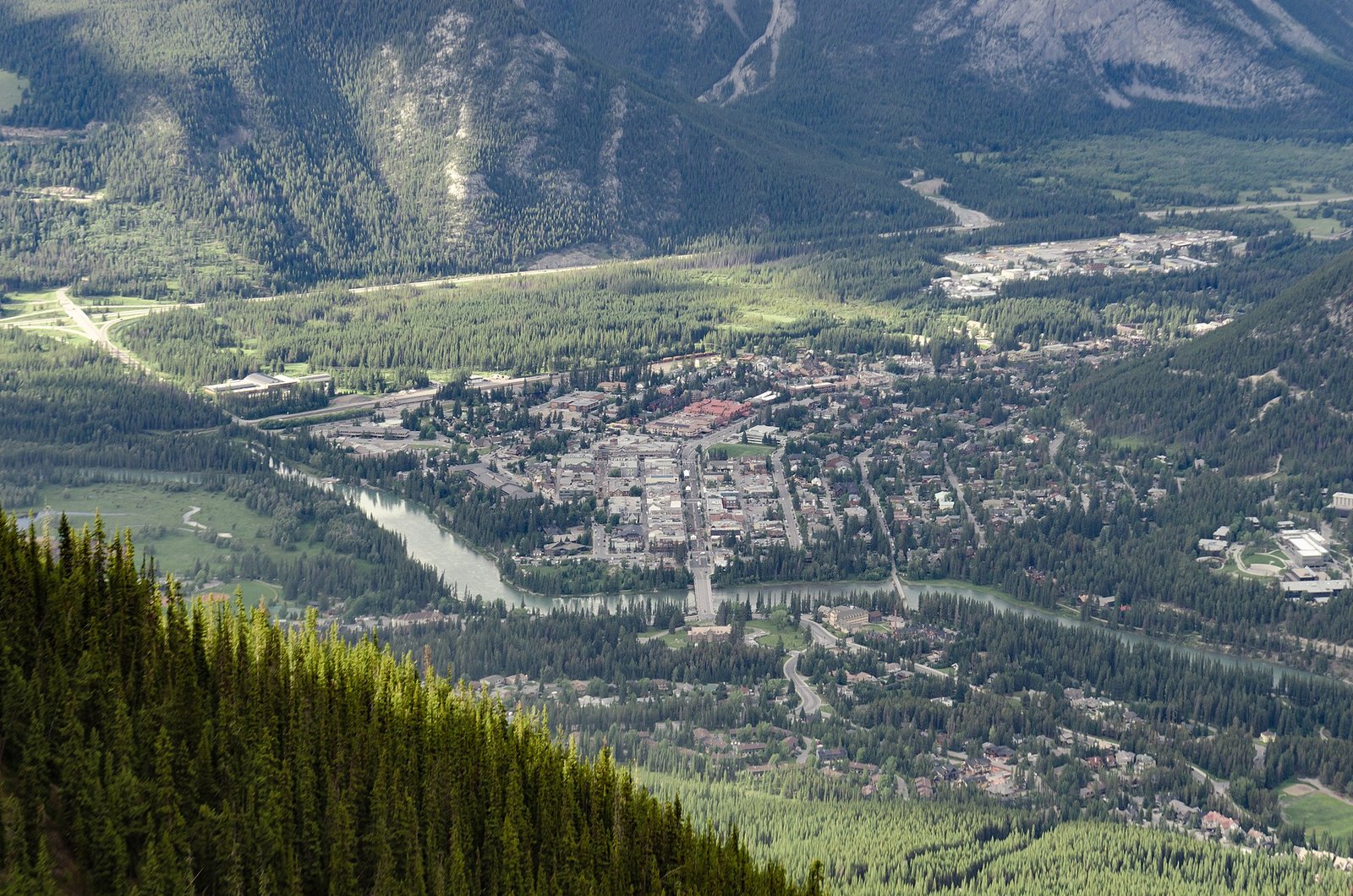
Photo: Ethan Sahagun, via Wikimedia Commons (CC BY-SA 4.0)
Leave a comment
Comment as a guest and verify your email, or sign in or create a reader account. Guest comments reach our review queue after email verification; account holders can submit directly for review.