Listen to this article
Take the story with you. Choose a voice and a pace that suits you.
Or listen in another language / choose a voice
Getting your device voices ready…
The voice follows the displayed language and your browser’s regional preference when available. You can choose another narration voice.
France’s Parcoursup replacement 2028 is now government policy, announced on 26 October 2026 after five weeks of school blockades — but no student applying this winter will touch the new system. The platform that decides who gets which university place stays in charge for the 2027 round, in a revised form, while a committee designs its successor, Sortir à Paris sets out.
That gap between announcement and arrival is where the fight now sits. Blockades resumed on Monday 2 November, the day schools returned from the Toussaint break, Sortir à Paris reports.
Information verified through 2 November 2026.
Why the French school blockades November 2026 never really stopped
The movement began in mid-September at Lycée Saint-Exupéry in Créteil, over unfilled posts and timetable pressure, then spread across Île-de-France and beyond, Brussels Signal recounts. The demands have stayed consistent since: more teachers, replacements for absent teachers, smaller classes, a real renovation plan for school buildings, and an end to Parcoursup as students in their final year experience it, Sortir à Paris lists.
Before the holidays, more than 160 lycées in the Île-de-France region closed fully or partly on the busiest days. No official count for Monday 2 November had been released by either the ministry or the region when reports were filed. The week’s shape is set, though: general assemblies and the first blockades on Monday, wider blockades and a Paris student march on Tuesday 3 November, and a cross-sector strike on Thursday 5 November, with the USL and Union étudiante calling further blockades the same day.
Parcoursup rejection explanations 2027: the interim fixes before the France Parcoursup replacement 2028
Students sitting the baccalauréat in 2027 still apply through Parcoursup. What changes around them is the paperwork. Rejections will come with a specific explanation, and application criteria will be published in detail, including in numerical form, Sortir à Paris details. The personal statement stops being the default: a course that still wants one must justify requiring it. A simplified site gains a simulator to estimate an applicant’s chances, and each regional education authority gets a transparency commission with lycée students involved.
From June 2027, applicants are expected to receive explanations for individual rejection decisions, The Education Post reports. The successor system itself remains undesigned. A reform committee of students, teachers and ministers is due to report by the end of November 2026, with ideas on the table including a guidance tool drawing on previous rounds, guidance starting earlier in lycée, and a rethink of continuous assessment in the first year. Replacing Parcoursup also needs Parliament: the platform rests on the 2018 ORE law, and the government concedes final adoption before the end of the term is uncertain, Sortir à Paris notes.
One thing the government has said plainly: selection itself is not ending. Places are limited. Which brings us to the numbers.
The 15,000 additional higher education places France has promised
The package promises 15,000 additional higher education places: 10,000 in BTS vocational programmes, 4,000 in university technology institutes and 1,000 in health programmes, weighted toward Île-de-France, Sortir à Paris reports. Seconde classes — the first lycée year — are capped at 28 pupils from 2027 in the least advantaged half of schools, and everywhere by 2028, backed by 500 new posts. Means-tested grants get linked to inflation from the 2027 academic year, The Education Post adds.
For buildings, the money is mostly loans: €4 billion in reduced-interest lending for lycées and collèges to 2030, plus €1 billion for university renovation by 2029, Brussels Signal reports.
Student organisations have priced their own demands at €10 billion, including an end to university selection, and dismissed the package. A representative of Les Lycéens! said after talks that “not all our demands were met” and the movement would go on, Brussels Signal quotes. The Snes-FSU teachers’ union called the response unbalanced, noting no pay measure was tabled. Universities, meanwhile, have argued the platform should be improved rather than scrapped — “scrapping Parcoursup is not a magic solution,” as France Universités and business school deans put it, Sortir à Paris reports.
On 30 October, Education Minister Édouard Geffray wrote directly to lycéens restating the package and thanking contributors to an online consultation. The blockades on Monday morning were the reply.
Analysis: Both sides are arguing about different clocks. The government is selling 2028; students are living in the 2027 round, in classrooms where an absent teacher may simply not be replaced this week. Explained rejections and published criteria are real gains in fairness, and they cost the state little. The expensive demands — staff, places, buildings — are the ones arriving as loans, caps phased over two years, and places counted in thousands against a system used by nearly a million applicants a year. Until those land, the gates stay blocked.
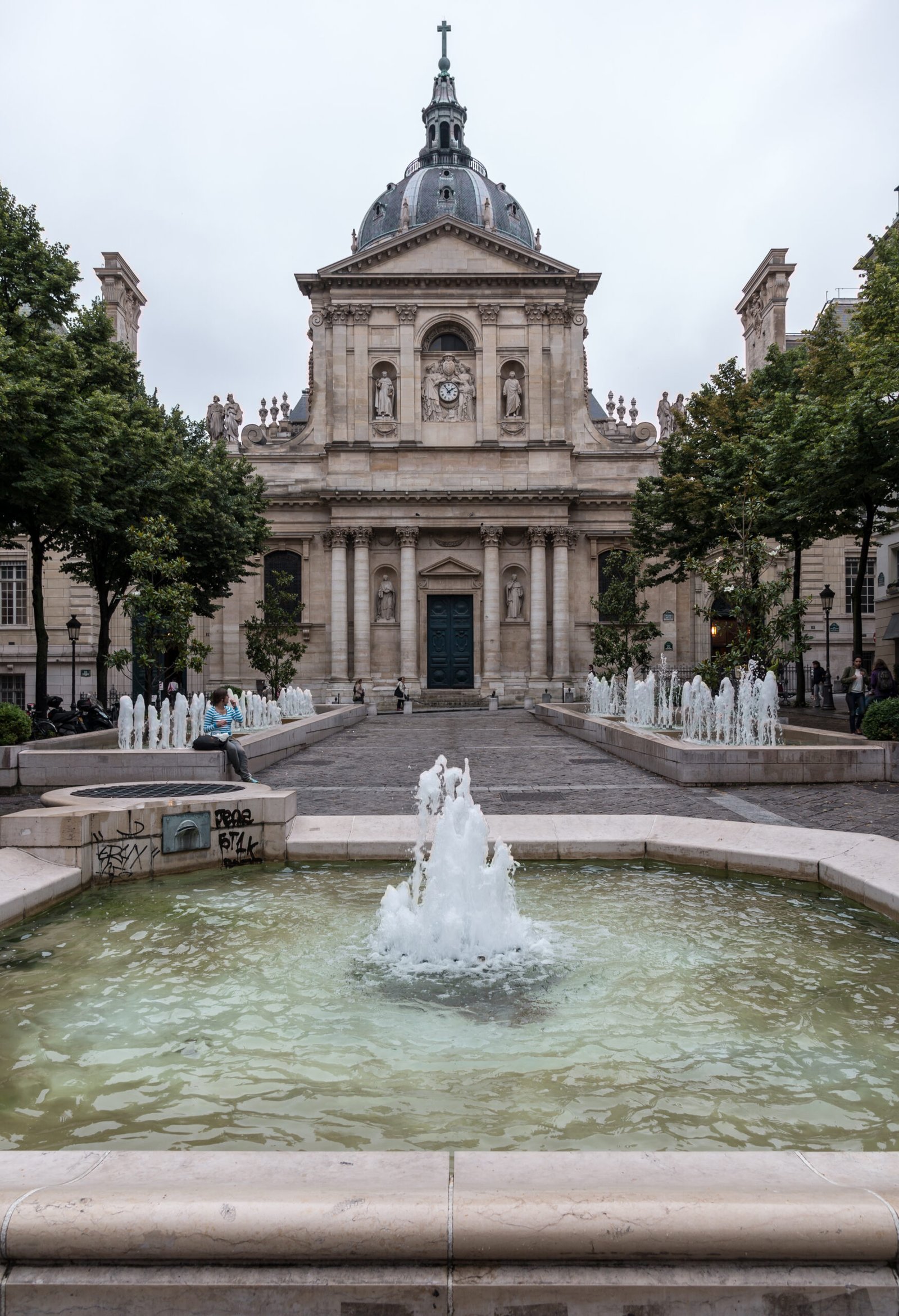
Photo: Dietmar Rabich, via Wikimedia Commons (CC BY-SA 4.0)
Sources
- https://www.sortiraparis.com/en/news/in-paris/articles/355959-parcoursup-is-coming-to-an-end-what-will-change-for-high-school-students-in-2027-and-2028
- https://www.sortiraparis.com/en/news/in-paris/articles/356684-protests-and-high-school-student-blockades-on-november-2-3-and-5
- https://brusselssignal.eu/2026/10/french-student-unions-reject-government-concessions-as-macron-hardens-the-security-response/
- https://educationpost.in/news/global-education/france-plans-to-replace-parcoursup-by-2028-add-15000-higher-education-places
Leave a comment
Comment as a guest and verify your email, or sign in or create a reader account. Guest comments reach our review queue after email verification; account holders can submit directly for review.