Listen to this article
Take the story with you. Choose a voice and a pace that suits you.
Or listen in another language / choose a voice
Getting your device voices ready…
The voice follows the displayed language and your browser’s regional preference when available. You can choose another narration voice.
Ask people how to be a good neighbour and most start with the wave. Missouri has now measured that instinct. The 2026 State of Neighboring study, run by University of Missouri Extension with 2,300 residents between 20 September and 4 October 2026, found that 70.8% of Missourians wave or say hello to the people next door. Goodwill, in other words, is not the problem. Depth is.
Only 52% have face-to-face conversations and 51.3% chat spontaneously outdoors, the study reports. The numbers fall as the ask grows: 31.9% help with favours, tasks or projects, 22.7% share food or tools, and just 17.3% visit inside one another’s homes. A street can look friendly from the pavement and still be a place where nobody really knows anybody.
Information verified through 2 November 2026.
What the Missouri State of Neighboring 2026 results actually say
The headline finding is appetite. Some 61.5% of respondents said they would like to interact beyond a wave or hello, against 17.4% who disagreed, and 34.9% wanted more personal connection with immediate neighbours while only 9.2% wanted less, according to MU Extension’s summary. Wisevoter’s report on the study puts the same point plainly: most residents practise basic pleasantries but want something more meaningful.
Trust sits in between. About 76.9% believe a neighbour would help with an unexpected need, yet only 57.2% have someone nearby they would trust with a house key. Knowing names tells a similar story: 56.1% know the names of neighbours in at least some adjoining homes, 42.9% know their occupations, and 33.1% know an interesting fact about them.
How to be a good neighbour without becoming a nuisance
Here is the tension the survey refuses to smooth over. Asked what makes a good neighbor, 66.5% picked respecting privacy, 65.3% picked being quiet, and 64.1% picked watching out for neighbours’ property. People want connection without intrusion. David Burton, the MU Extension specialist who founded Missouri Good Neighbor Week, frames it as a ladder: wave, then name; conversation, then knowledge; help, then trust. You do not climb it in a week. You take the next step with one household.
The practical version is unglamorous. Learn one name you do not know. Trade a phone number before you need one. Offer the specific thing — the ladder, the lift, the parcel taken in — rather than a vague “let me know.” Specific offers get accepted. Vague ones get politely forgotten.
Neighbour trust and community connection are already growing
There is movement underneath the surface numbers. In 2022, about 43% of respondents reported doing favours for neighbours; that rose to 48% in 2024, and the 2026 survey found 64.3% had done a favour or act of kindness for an immediate neighbour in the previous month. During Good Neighbor Week itself, held 28 September to 4 October, Missourians reported 84,398 acts of neighbouring, more than double the 42,134 recorded in 2025 and spread across all 114 counties.
Privacy, interestingly, is loosening its grip at the top of the good-neighbour list. It was named by 69.75% in 2022 and 71.3% in 2024, then slipped to 66.5% in 2026. Burton reads that dip as residents deciding that good neighbouring takes more than staying out of one another’s way.
Analysis: The survey’s blind spot is its own remedy. Nearly 85% of respondents had never heard of Missouri Good Neighbor Week and 91.7% had never taken part, yet the week still produced a record tally. The behaviour is outrunning the brand. That suggests the next gains will not come from bigger campaigns. They will come from the boring middle of the ladder — names learned, numbers swapped, one favour done in an ordinary week when nobody is counting.
The survey asked residents, in their own words, what would strengthen relationships on their streets. The leading answers were not programmes or funding. People asked for chances to meet and know neighbours, more frequent casual conversation, and plain everyday friendliness backed by mutual respect. MU Extension’s Engaged Neighbor Program teaches the same modest curriculum — start with names — and the study’s own analysis found that residents who knew most adjoining neighbours by name also reported greater trust and more confidence that help would come when needed. Small data, big implication: familiarity is not a by-product of trust. It is the mechanism that produces it.
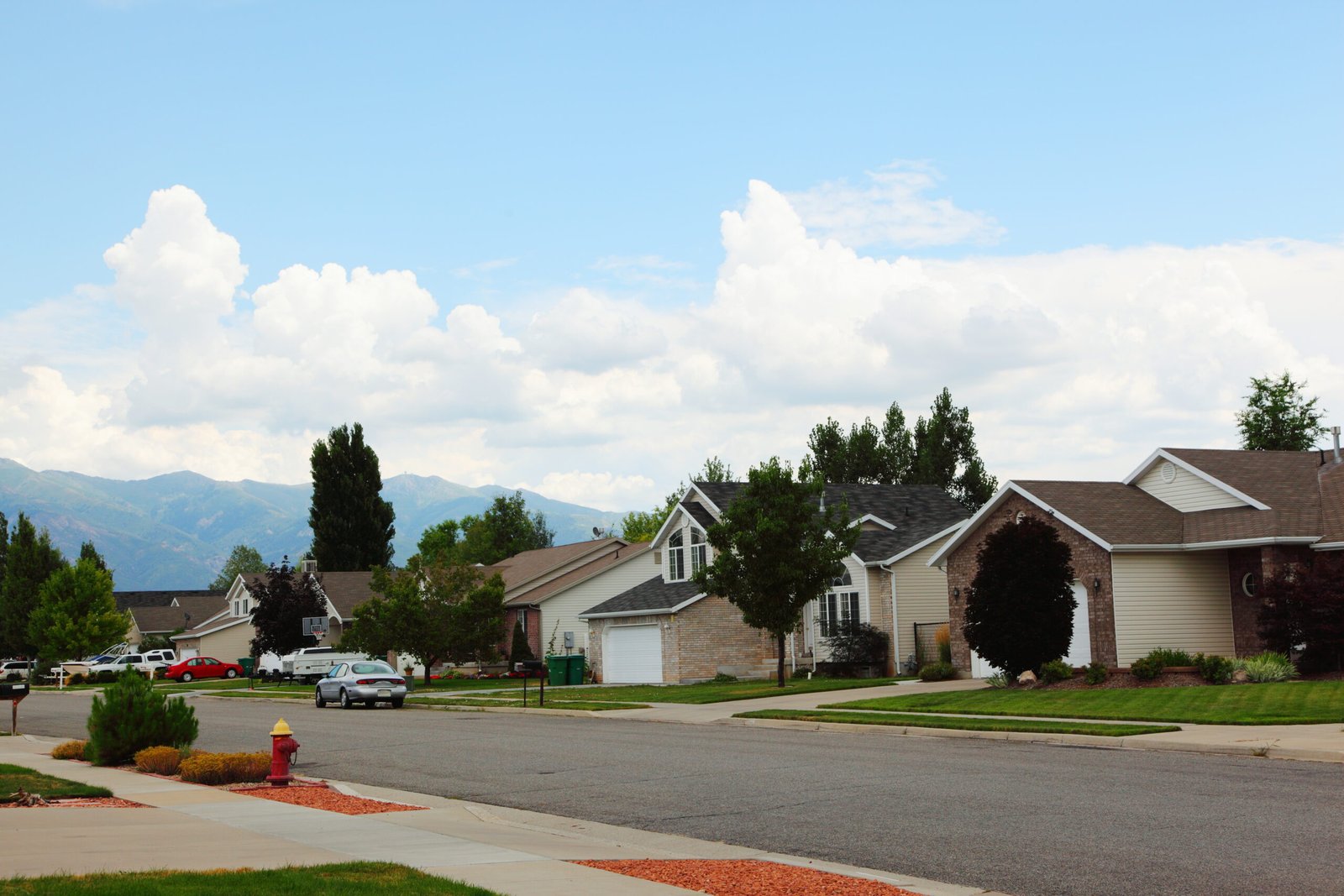
Photo: Pink Sherbet Photography, via Wikimedia Commons (CC BY 2.0)
Sources
- University of Missouri Extension — New Missouri survey finds residents want more than a wave from their neighbors — https://extension.missouri.edu/news/new-missouri-survey-finds-residents-want-more-than-a-wave-from-their-neighbors
- Wisevoter — Missouri Study Highlights Need for Deeper Connections — https://wisevoter.com/world/us/mo/2026/10/27/missouri-study-highlights-deeper-neighbor-connections
- El Dorado Springs Sun — Missouri’s most neighborly cities announced — https://eldoradospringsmo.com/features/missouris-most-neighborly-cities-announced/
Leave a comment
Comment as a guest and verify your email, or sign in or create a reader account. Guest comments reach our review queue after email verification; account holders can submit directly for review.