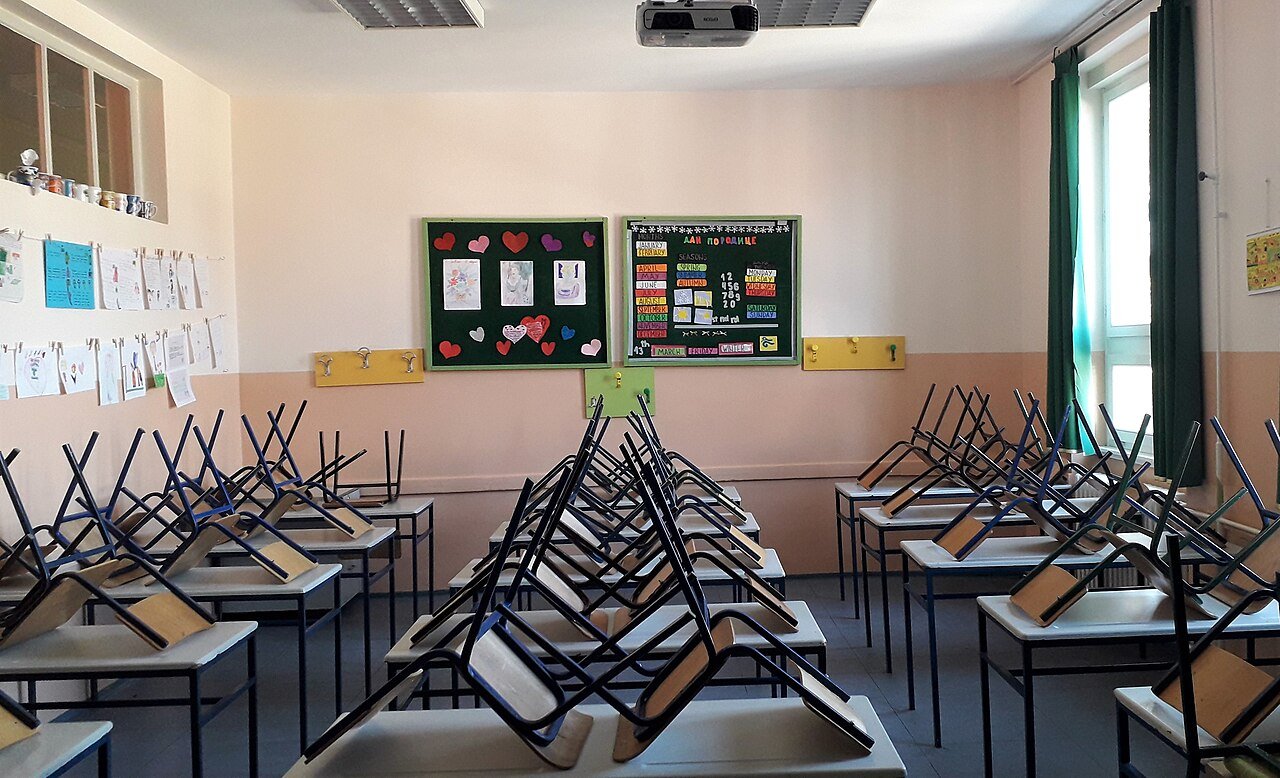

A school without enough teachers faces immediate choices about classes, subjects, and the support it can offer. A national recruitment target addresses part of that problem. It does not explain why teachers leave or what conditions make remaining in the profession workable.
UNESCO’s 2024 global report estimated a need for 44 million additional primary and secondary teachers by 2030 to achieve universal education goals. This is a projection of need toward a target year, not a count of 44 million currently empty posts. The report links the challenge to both recruitment and retention. [1]
A headcount needs a location
A country may have applicants in one subject or region while struggling to staff another. Numbers also say little about experience, preparation, or the continuity students encounter. A teacher arriving for a brief period cannot provide the same stability as a well-supported colleague able to stay.
The working day matters. Time for preparation, manageable responsibilities, and useful support affect whether the role can be sustained. Appeals to vocation cannot indefinitely compensate for arrangements that make the work unreasonable.
Keep the experienced teacher in view
Recruitment campaigns produce visible beginnings: a new cohort, a training route, a welcome event. Retention is less photogenic. Its success may be the absence of a resignation and the continued presence of someone who knows a school well.
A serious response needs both kinds of achievement. It should ask how people enter teaching, what they encounter after arrival, and why they decide to remain or leave. The public interest is not merely to place an adult at the front of a classroom. It is to sustain the conditions in which teaching can become skilled, dependable work over time.