Listen to this article
Take the story with you. Choose a voice and a pace that suits you.
Or listen in another language / choose a voice
Getting your device voices ready…
The voice follows the displayed language and your browser’s regional preference when available. You can choose another narration voice.
Georgia’s first Neolithic burial may have been sitting in a mound in the country’s south all along. On 25 November 2026, Georgia’s National Agency for Cultural Heritage Preservation announced that excavators at Mashavera Gora had found a Stone Age grave holding the remains of a young child — a Georgia first Neolithic burial, because no burial from this period had previously been found at any archaeological site in the country (AnewZ; OperativMM). Information verified through 26 November 2026.
The caution is built into the announcement. The agency calls the find one of particular scientific significance, and in the same breath says further analysis is needed to establish its full significance (AnewZ). A first, plus a wait.
The Mashavera Gora Neolithic burial, as reported so far
The grave came up during excavations in Bolnisi municipality, in southern Georgia, where a team from the Georgian National Museum is digging with funding from the heritage agency (AnewZ). Georgia Online, reporting from Bolnisi, describes bones found in a gravesite at an early stage of the dig, in what was first identified as a Mashavera pit, with the remains expected to be those of a juvenile (Georgia Online).
Details are thin, and they should stay thin until the specialists report. One account describes a young child; another mentions a young person. Nobody has published a date range for the grave itself, a list of objects buried with the dead, or a plan of the grave. What exists is a location, a period attribution, and a set of bones that researchers say need testing before anyone can state what they are, how old they are, and what they mean (Georgia Online).
A farming culture known from its houses, not its graves
Mashavera Gora belongs to the Shulaveri-Shomutepe culture, a Neolithic farming society that flourished in the South Caucasus during the sixth millennium BC (AnewZ). Its settlements are mound sites — tells built up from generations of mud-brick building — and the published research on Mashavera Gora itself, from the Georgian National Museum team’s 2020–2021 seasons, documents round houses, small storage buildings and wall fragments on the mound’s northern side, at the meeting point of the Khrami and Mashavera rivers (TSU journal).
That record is heavy on daily life. Houses. Storage. Pottery, stone and bone tools. The Shulaveri-Shomutepe burial Georgia specialists could point to, by contrast, did not exist inside Georgia’s borders — which is why a single grave draws this much attention. A burial is a different kind of evidence from a floor plan. It can show how a community treated its dead: where the body was placed, whether objects went into the ground with it, whether children were buried the way adults were. None of that can be read off a storage pit.
The site also holds medieval cultural layers, a sign that people returned to this ground over a long span of time (AnewZ). Layers like that cut both ways. They make a mound worth digging, and they make dating harder, because later activity can disturb earlier deposits. A grave cut into an old mound has to be tied to its period by evidence, not by the mound’s general reputation.
Why a Georgia first Neolithic burial matters, if it holds
Start with what changes if testing confirms the attribution. Georgian Neolithic research has reconstructed farming, building and craft from settlement remains for decades. A confirmed burial adds the missing half: ritual. Even a plain grave tells researchers this community buried some of its dead in or near the settlement, in a way that left recoverable traces.
A child’s grave carries its own questions. Across early farming societies, child burials vary wildly — under house floors, in courtyards, in separate ground, with goods or without. Where this child was placed, and what (if anything) went into the grave, will let researchers compare Mashavera Gora with better-known Shulaveri-Shomutepe sites across the South Caucasus, in present-day Azerbaijan and Armenia, where the same culture spread (TSU journal).
And if testing does not confirm it? Then the announcement becomes a useful correction instead. The claim was always conditional — the agency said “believed to be,” and the excavators said testing comes first (OperativMM). A negative or later date would still say something real about the mound’s long occupation.
The Neolithic child burial Georgia researchers now have to test
The next steps are unglamorous and decisive. Specialists need to confirm the remains are human, pin down their archaeological context, and date them — the artefacts from the find are already being sent for further testing, the researchers say (Georgia Online). Radiocarbon results, if the team publishes them, will do more for this story than any press statement.
Context matters as much as the date. A burial dug into a Neolithic layer from a later period can sit inside ancient deposits while belonging to a much younger community. Stratigraphy — which layer the grave was cut from — separates a Neolithic grave from a later one in old ground. The published Mashavera research is careful work on exactly these questions of layers and building horizons (TSU journal).
The find lands in a busy season for Georgian archaeology. Less than a fortnight earlier, archaeologists uncovered a chapel near the Nagzauri monastery complex in south-eastern Georgia, west of a complex believed to date from between the fifth and eighth centuries (AnewZ).
For now, the honest summary is short. A grave has been found where no Neolithic grave in Georgia had been found before. A child was buried at Mashavera Gora, possibly some eight thousand years ago, by people among the region’s first farmers. Whether “possibly” becomes “demonstrably” is now a laboratory question — and the excavators, to their credit, are saying so themselves.
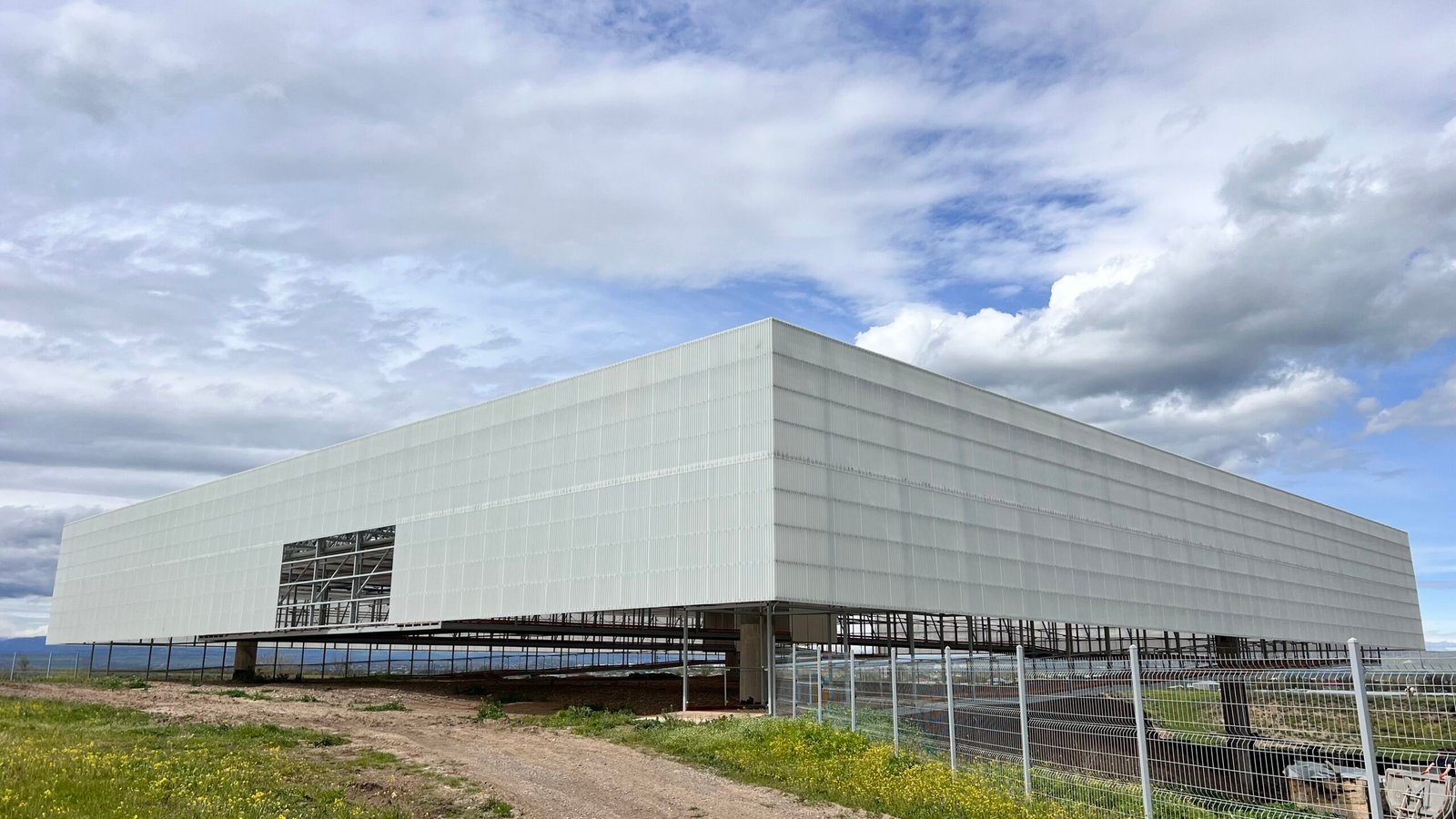
Photo: Gadachrili Gora, a Shulaveri-Shomutepe Neolithic settlement in southern Georgia, via Wikimedia Commons (CC0).
Sources
- AnewZ — Archaeologists uncover Georgia’s first Neolithic burial: https://anewz.tv/region/south-caucasus/27230/archaeologists-uncover-georgias-first-neolithic-burial/news
- Georgia Online — Archaeologists uncover possible Neolithic burial at Mashavera site in Georgia: https://georgiaonline.ge/archaeologists-uncover-possible-neolithic-burial-at-mashavera-site-in-georgia/
- OperativMM — Georgia discovers its first suspected Neolithic burial site: https://operativmm.az/en/post/georgia-discovers-its-first-suspected-neolithic-burial-site/88595
- TSU journal — Mashaveras Gora: New Investigation of Shulaveri-Shomutepe Culture Neolithic Settlement: https://tsuti.tsu.ge/index.php/journal/article/view/29
Leave a comment
Comment as a guest and verify your email, or sign in or create a reader account. Guest comments reach our review queue after email verification; account holders can submit directly for review.