
Listen to this article
Take the story with you. Choose a voice and a pace that suits you.
Getting your device voices ready…
The voice follows the displayed language and your browser’s regional preference when available. You can choose another narration voice. Enhanced device voices are preferred; availability varies.
A crowded polling station can look like a healthy democracy. It tells us that people have arrived, but less about why they came, how freely they formed their views, or how well the choices represent them. That distinction belongs at the center of any argument about compulsory voting.
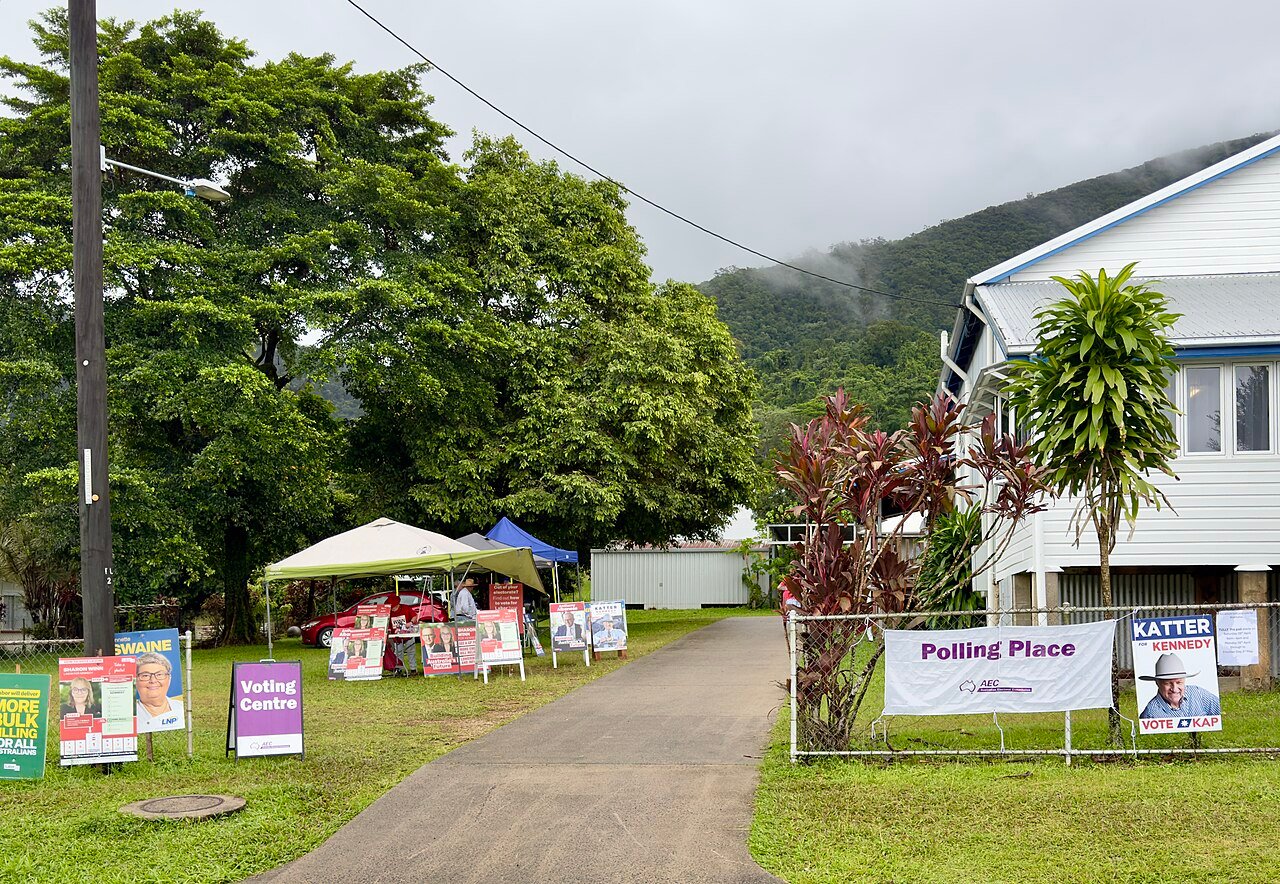
Australia made voting at federal elections compulsory in 1924, a change the Australian Electoral Commission places in the context of increasing turnout and reducing campaign expenditure. The obligation is therefore an institutional choice with a history, not a universal feature of democratic citizenship. [1]
What the obligation changes
Making participation a duty changes the question facing election administrators. Instead of treating attendance as entirely the individual’s responsibility, the system must make it reasonably possible to comply. An obligation invites scrutiny of polling access, information, and the circumstances in which a person cannot participate. Evaluating the duty without evaluating those conditions would leave half the policy unexamined.
A supporter can reasonably argue that a shared requirement makes political participation less dependent on enthusiasm. A critic can reasonably ask whether the freedom to decline is part of political freedom. Those positions concern values as well as administration. A turnout figure cannot settle the disagreement by itself.
Count participation carefully
Even a large increase in turnout would not establish that voters have become better informed or that government has become more responsive. Those are separate outcomes requiring separate evidence. Conversely, imperfect public knowledge does not make participation worthless. Elections ask ordinary citizens to choose representatives; they do not require everyone to become a professional policy analyst.
The strongest comparison would examine who participates, what accommodations exist, and how people experience the obligation. It would also distinguish being enrolled, attending a polling place, and casting a valid vote. Collapsing those stages can make two electoral systems appear more similar than they are.
Compulsory voting is worth discussing as a package of responsibilities shared between the citizen and the state. If government expects people to turn up, citizens can ask what government has done to make that expectation fair. The quality of the answer matters alongside the size of the queue.
Leave a comment
Comment as a guest and verify your email, or sign in or create a reader account. Guest comments reach our review queue after email verification; account holders can submit directly for review.