Listen to this article
Take the story with you. Choose a voice and a pace that suits you.
Or listen in another language / choose a voice
Getting your device voices ready…
The voice follows the displayed language and your browser’s regional preference when available. You can choose another narration voice.
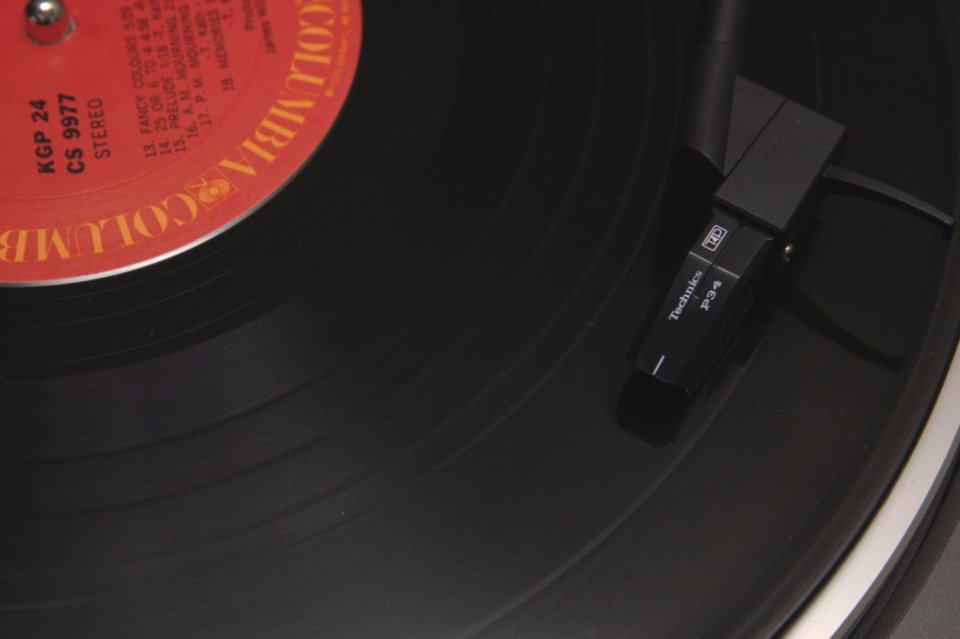
The analogue living trend offline is the new luxury pitch sounds like a paradox, and it is selling anyway. People are posting photos of their flip phones before putting the phones away. They are buying pouches whose entire job is to hold a device they are trying not to touch. A vinyl record takes twenty minutes a side, cannot be skipped with a thumb, and that inconvenience is now the point (HealthyWayNet’s roundup of the movement). Information verified through 14 November 2026.
Call it discernment, call it exhaustion. The behaviour is consistent across the accounts collecting it: physical books instead of e-readers, traditional alarm clocks banishing phones from bedrooms, film cameras, paper planners, screen-free evenings (HealthyWayNet). Nobody serious is smashing their smartphone. The shift described in the analogue-year writing is about intention — technology used on purpose instead of by reflex (Everyday Mani).
Tech resisters cut screen time — and researchers keep counting them
The trend has a name in foresight circles: Tech Resisters. The Future Laboratory’s work, reported in a November AW26 trend survey, describes consumers pushing back against digital saturation, and cites a poll in which 52% of students want to cut screen time (DisneyRollerGirl’s AW26 trend report). The same report notes the success of Brick, a device that blocks phone features to untether users from notifications. Read that again. People are buying a product to protect them from another product they already bought. The market has noticed the absurdity and monetised it from both ends.
The generational twist keeps surprising older commentators. Gen Z, the first cohort raised fully online, is driving much of the limiting: surveys cited in the detox coverage put 46% of Gen Z actively limiting screen time, with searches for digital detox ideas climbing sharply (HealthyWayNet). This is not a boomer sermon about kids and their phones. The kids wrote the sermon.
Fashion felt it first, as fashion does. The AW26 survey pairs the tech-resister mood with tactile textures, tweeds and a return to paper — clothes and objects you can feel, set against lives spent touching smooth glass (DisneyRollerGirl). Cloth with weight. A book with a spine that cracks. A record you have to flip. Texture is doing cultural work here: it proves the moment is physical.
The analogue year and slow living in 2026: friction as a feature
The analogue-year essays make a specific claim worth taking seriously: friction is healthy. Writing a thought by hand instead of typing it, listening to an album whole instead of skipping, photographing selectively instead of endlessly — each deliberate slowness restores a bit of agency that frictionless feeds dissolve (Everyday Mani). Physical media’s revival follows the same logic. Vinyl, physical books, even cassettes offer ownership without volatility — a record cannot be delisted by a licensing dispute (Everyday Mani).
Cultural writer Nancy Barkley calls the status version of this the Analogue Flex: attention itself as the ultimate luxury, mechanical watches instead of smartwatches, grayscale screens to break the slot-machine pull, a physical book carried as a signal that your time is your own (The Analogue Flex). Note the flex part. Analogue living is already acquiring the trappings of display — analog bags as status symbols, offline time performed for an audience before the performance stops (HealthyWayNet).
Trying the digital detox Analog January challenge in November
You do not need to wait for January. The Analog January challenge attributed to productivity writer Cal Newport in the detox coverage sets five monthly commitments: a daily 15-minute phone-free walk, real voice conversations with 20 different people, making something physical, reading physical books, and banning screens from the bedroom in favour of an alarm clock (HealthyWayNet). It is a humane list. Nothing on it requires a purchase, a cottage, or a personality transplant.
Start smaller if the list still sounds like homework. One screen-free evening a week. A phone that sleeps in the kitchen. A paper notebook on the desk for the thoughts that used to become posts. The movement’s own writing insists you do not have to go full analogue for the benefits to show up (HealthyWayNet).
Analysis: treat the luxury framing with suspicion and the underlying fatigue with respect. Yes, there is something queasy about disconnection becoming a status good — quiet, like everything else, gets a price tier. But the fatigue underneath is documented in the movement’s own numbers: hours of daily scrolling, a majority of students wanting less of it, a generation raised inside the feed asking for a door. The analogue trend will produce its share of silly products. The desire it is answering — to be unreachable on purpose, and unbothered about it — is not silly at all.
Photo: Travis Soule, via StockSnap (CC0)
Leave a comment
Comment as a guest and verify your email, or sign in or create a reader account. Guest comments reach our review queue after email verification; account holders can submit directly for review.