.jpg)
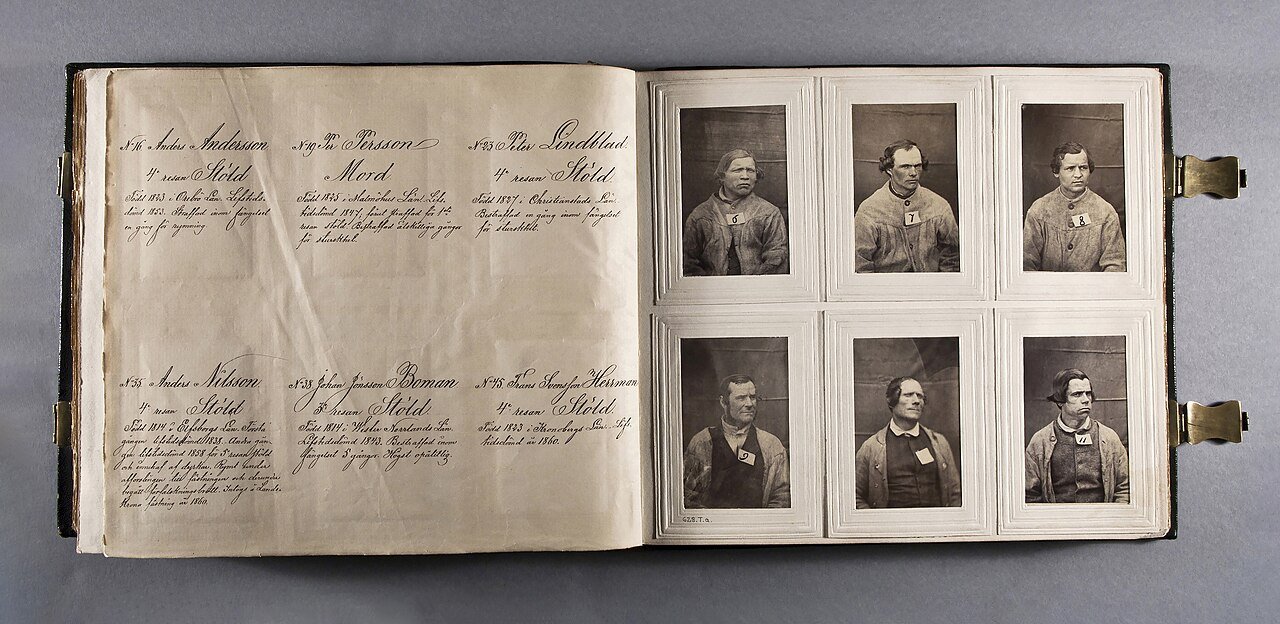
An old photograph can survive while its meaning fades. Someone recognizes the room but not the visitors; a familiar face has no name written beside it. Moving the picture into a digital collection solves some problems of access while leaving that problem intact.
The Library of Congress’s guidance on preserving digital memories treats personal collections as things requiring deliberate care. Digital preservation is an ongoing activity, rather than a guarantee produced by the act of saving a file once. [1]
Context is part of the object
A filename may help a device sort an image without helping a person understand it. A short description of who appears, where the photograph was made, and why the occasion mattered can preserve knowledge unavailable in the pixels themselves.
That description need not pretend certainty. “Possibly at the old apartment” is more useful than an invented location. A record of doubt leaves a future family member room to correct the account instead of inheriting a confident mistake.
Selection gives a collection shape
Keeping everything can make a collection difficult to approach. A smaller selection with explanations may provide an inviting route into a larger archive. The aim is not to discard the ordinary. An everyday kitchen or work routine may become interesting precisely because nobody thought to describe it elsewhere.
The question to ask is who will be able to use the collection when its maker is no longer there to explain it. That future reader needs accessible files, but also a few points of orientation. Digital memory becomes more durable when technical care and storytelling meet. Preserving an image includes preserving enough of its world that someone can later understand what they are looking at.