
Listen to this article
Take the story with you. Choose a voice and a pace that suits you.
Or listen in another language / choose a voice
Getting your device voices ready…
The voice follows the displayed language and your browser’s regional preference when available. You can choose another narration voice.
A ticket window at Dilli Haat, the open-air market in Delhi, carries a price board in three lines: ADULT Rs 30, CHILD Rs 20, FOREIGNER Rs 100. A British tourist filmed the board and suggested that in Britain this would be called racism. A creator, Satyam Singh (@buildwithsatyam), stitched the clip and answered: differential pricing for visitors is a global norm, the complaint is outrage farmed for views, and if anyone wants a real scandal they should look at what British universities charge international students — two to three times the domestic rate. The reel drew more than ninety-four thousand likes. We pulled 493 of its comments and read the dilli haat foreigner price argument all the way down. What the thread proves is not what its loudest voices think it proves.
493 comments, one missing man
The comments were keyword-scanned by theme. Tuition and university fees led the thread, followed by racism, the word “foreigner” itself, and taxes. The defences of the pricing ran in five lanes: it is a global norm (Japan, Thailand, Egypt and Singapore were named in the top-liked comment); it is reciprocity for what the West charges; Indian taxpayers subsidise the site; it is colonial payback aimed at the white tourist — “ask your white ancestors,” as one commenter put it; and the original vlogger was rage-baiting.
| Theme in 493 comments | Mentions |
|---|---|
| Tuition / fees / university | 54 |
| Racism | 50 |
| Foreigner | 49 |
| Tax | 33 |
| White | 27 |
| Colonial rule / ancestors | 16 |
| America / USA | 9 |
| Africa | 1 |
| Black | 4 |
Read the bottom of that table. In 493 comments, the word “black” appears four times — and one of the four is our own side of the conversation, replies posted by a Black American commenter that morning. One comment lumped “Asian and African countries” together as places whites looted. One made the definitional point that the price follows citizenship. One listed “white black brown” as all paying the foreigner rate. That is the whole appearance of the Black American in a thread about who counts as a foreigner and what colonisation is owed. The frame never widened past two chairs: the white Westerner who complains, and the Indian who answers him. The man whose ancestors colonised nobody — whose ancestors were the cargo of the same empire the thread keeps invoicing — pays the Rs 100 like everyone else and does not exist in the argument at all.
The tuition dodge
The thread’s strongest card was tuition, so take it seriously. Yes, British universities charge international students multiples of the home rate. Yes, American public universities charge out-of-state students far more than in-state students. And neither fact does the work the thread needs, because both systems price by residency, and Dilli Haat prices by nationality. Those are different tests, and the difference is the whole case.
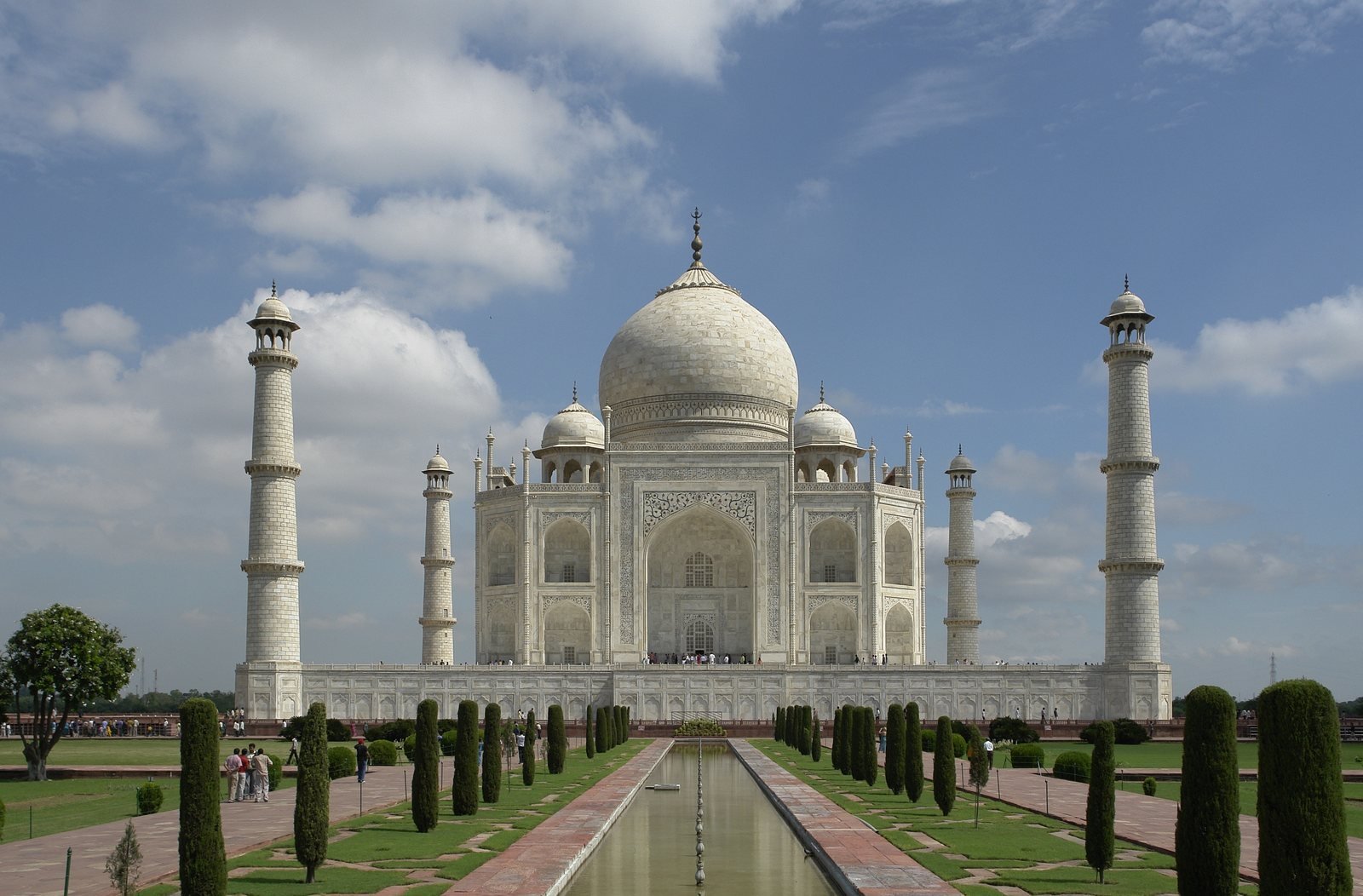
In-state tuition turns on domicile: where you live, work and pay taxes. A foreign national domiciled in the state can qualify for the resident rate. A United States citizen from the next state over cannot. Foreign students on F-1 visas are shut out of the resident rate precisely because the visa forbids domicile — the rule is policing residence, not foreignness. The Taj Mahal’s official fee chart shows the other test in plain type: INDIAN Rs 50, FOREIGNER/NRI Rs 1,100, with a middle tier for SAARC and BIMSTEC nationals. The category is the passport, printed on the board. Dilli Haat’s board says the same thing in one word: FOREIGNER.
| System | Lower price | Higher price | Test applied |
|---|---|---|---|
| Dilli Haat, Delhi | Rs 30 (adult) | Rs 100 | Nationality — “FOREIGNER” |
| Taj Mahal (ASI) | Rs 50 (Indian) | Rs 1,100 (Foreigner/NRI) | Nationality |
| US public university | In-state tuition | Out-of-state tuition | Residency / domicile |
| US national parks, from 1 Jan 2026 | $80 resident pass | $250 nonresident pass | Residency |
America added a tier this year. Read the label.
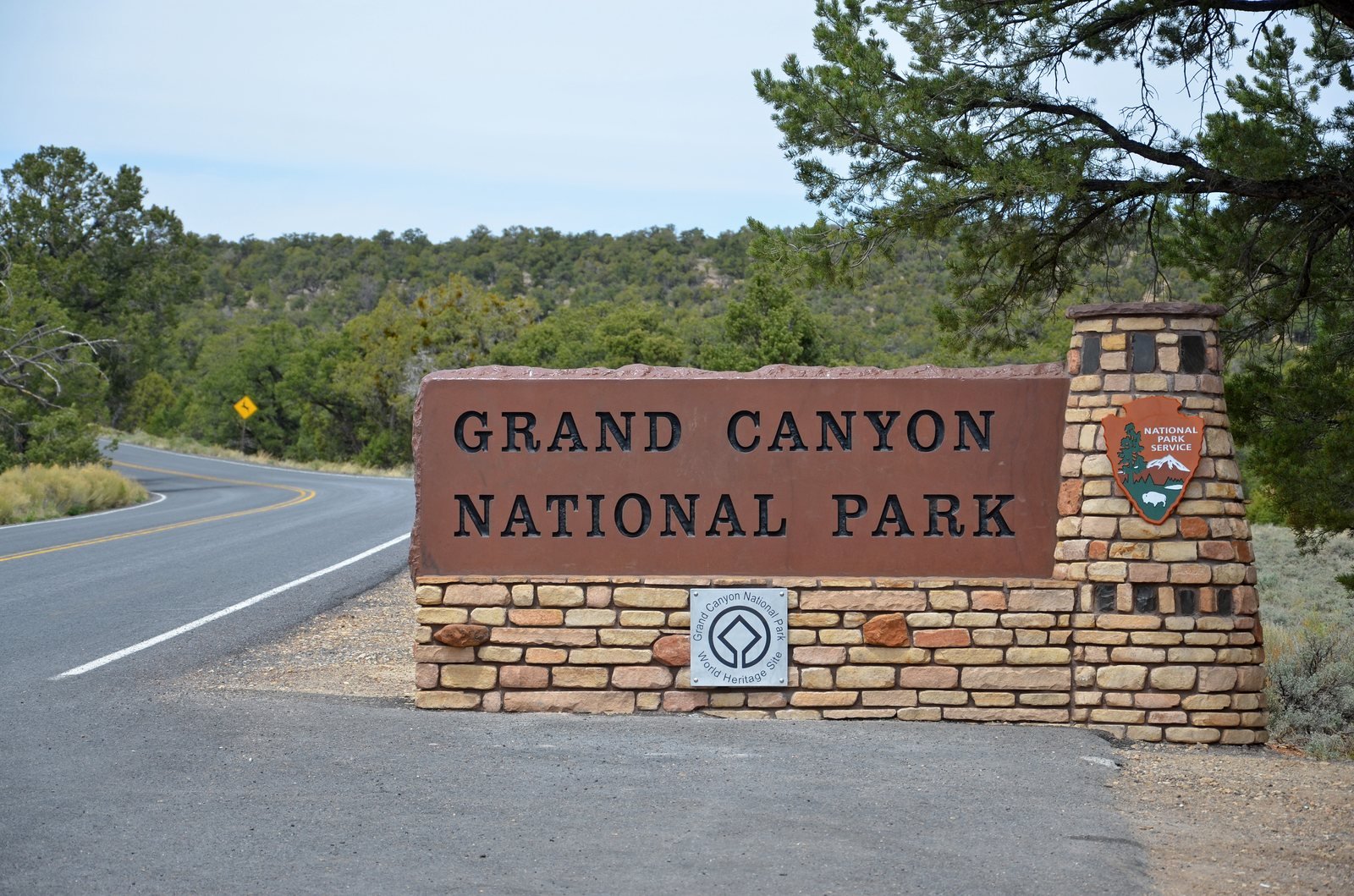
Honesty requires a correction to our own side of the argument. It used to be true that American federal sites charged everyone the same price regardless of nationality. From 1 January 2026 that is no longer the whole story: the Department of the Interior’s November 2025 announcement set the America the Beautiful annual pass at $80 for US residents and $250 for nonresidents, added a $100 per-person nonresident fee at eleven named parks — Grand Canyon, Yellowstone, Yosemite, Zion among them — and made the fee-free days residents-only. Print the correction, because the correction sharpens the point instead of breaking it. America’s new tier is residency-based and narrow: a permanent resident from any country on earth pays the resident rate, because the test is where you live and pay in. It is not a nationality line, it does not cover the whole park system, and no American price board sorts human beings under the word FOREIGNER. The same-energy demand survives — aimed at the right target. When America tiers a price, it tiers by residency. The board in Delhi tiers by blood and passport, and calls it ordinary.
The door, and who opened it
There is a deeper blur underneath the thread, and it is documented on both sides of the ocean. The United States Immigration and Nationality Act of 1965 abolished the national-origins quotas that had kept Asian and African immigration throttled for four decades. It passed as part of the civil-rights-era legislative wave that Black American organising forced into law — the same movement, the same years, the same streets. The communities that later walked through that door in large numbers include Indian immigrants, whose American story the comment thread treats as self-made from the first day. The door was opened by the people the thread cannot see.
Inside the United States, the blur has numbers. Massey, Mooney, Torres and Charles, studying freshmen who entered 28 selective colleges and universities in 1999, found that 27 percent of the Black freshmen were of immigrant origin — the student or at least one parent born abroad — against roughly 13 percent of all Black 18- and 19-year-olds. In the Ivy League the figure was 40.6 percent. That finding is documented, and we print it as documented. The researchers themselves decline the next step: whether immigrant-origin students are the intended beneficiaries of policies built as repair for American slavery, they wrote, rests largely on a moral judgment. Here is our judgment, labelled as ours: a remedy counted in a blurred category will keep missing the lineage it was argued for, whether the blur happens in an admissions office or at a ticket window. It is the same reason we back counting Foundational Black Americans on their own line in the 2030 Census — the case is set out in the census category investigation.
The one-way door
The blur is not theoretical, and one man published the receipt. Vijay Chokalingam — the Indian American brother of the actress Mindy Kaling — wrote a book about it: Almost Black: The True Story of How I Got Into Medical School by Pretending to Be Black (2016). In his own account, holding a 3.1 GPA and an MCAT score of 31 that he did not believe would carry him as an Indian applicant, he shaved his head, took his middle name Jojo, checked the Black box, joined the Organization of Black Students, and applied to medical schools as a Black man. He interviewed at eleven schools and was admitted to Saint Louis University School of Medicine, which he attended before dropping out. Saint Louis University disputes the moral of the story: a spokeswoman said his scores met its criteria for the time and that race did not factor into his acceptance. Carry the dispute — it is on the record. Then carry the rest of the record too. The man did not whisper any of this. He put it on a book cover, proudly, as a how-it-was-done story: a Black identity, worn for a season, to access what was built for Black Americans.
Chokalingam is not an anomaly; he is a genre. The genre’s most famous case came first: Rachel Dolezal, president of the Spokane chapter of the NAACP and an instructor in Africana studies at Eastern Washington University, was exposed in 2015 by her own parents as a white woman born to white parents; she resigned the chapter presidency and lost the university post within days. Jessica Krug built a whole career inside the same door — a tenured associate professor of history at George Washington University, teaching African and diaspora history as an Afro-Latina from the Bronx, until her own Medium post of 3 September 2020 admitted she was “a white Jewish child in suburban Kansas City” who had claimed a Blackness she had “no right to claim.” She resigned within days. The same month, CV Vitolo-Haddad, a University of Wisconsin–Madison graduate student and teaching assistants’ union co-president, confessed in their own posts to presenting as Black and Cuban while actually of Southern Italian and Sicilian descent, and resigned their teaching post and union office. Different doors, same hinge: the identity is treated as a resource anyone may draw on. Which is why we read Saint Louis University’s denial the way we read all of these institutional statements — as embarrassment, not refutation. The primary source in the Chokalingam case is the man’s own book, and it does not read like a misunderstanding.
Now run the door in reverse. India’s own set-aside system — the Scheduled Caste, Scheduled Tribe and Other Backward Classes reservations in education and government employment — is bound to Indian citizens in those categories, certified by the Indian state. A Black American who arrives in India qualifies for none of it. He is not a category. He pays the FOREIGNER price at the monument, and at every other counter he is simply a foreigner. The door the thread defends swings one way: identities built for the descendants of American slavery can be claimed, borrowed and blurred in America, while the systems on the other side stay locked to their own.
There is a second standing almost every other party to the thread holds and Black Americans do not: a homeland that issues papers. Ireland, Italy and Germany grant citizenship by descent — in some lines, generations out. The child of Jamaican-born parents holds standing in two countries at once. The recent immigrant’s old country takes him back as a citizen, not a guest. No ancestral state grants a Foundational Black American citizenship by right of descent. Take the most celebrated welcome of all, Ghana’s. What Ghanaian law actually offers the diaspora is Right of Abode under the Immigration Act 2000 (Act 573): an indefinite-stay status, obtained by application and granted at ministerial discretion — and the regulations require years of residence in Ghana before a diaspora applicant even qualifies. It is not citizenship: no Ghanaian passport, no vote. The citizenship grants that make the headlines are small presidential ceremonies, extended to a chosen few. Set that beside the other door in the same legal house: the child of a Ghanaian parent is a citizen by birthright — automatic, no application, no fee, no ceremony, no discretion. The diaspora door is a money-and-permission door; the descent door is a right. Liberia’s door is narrow and conditional. A welcome is not a right. The Black American’s only country is the one whose counters he is arguing about.
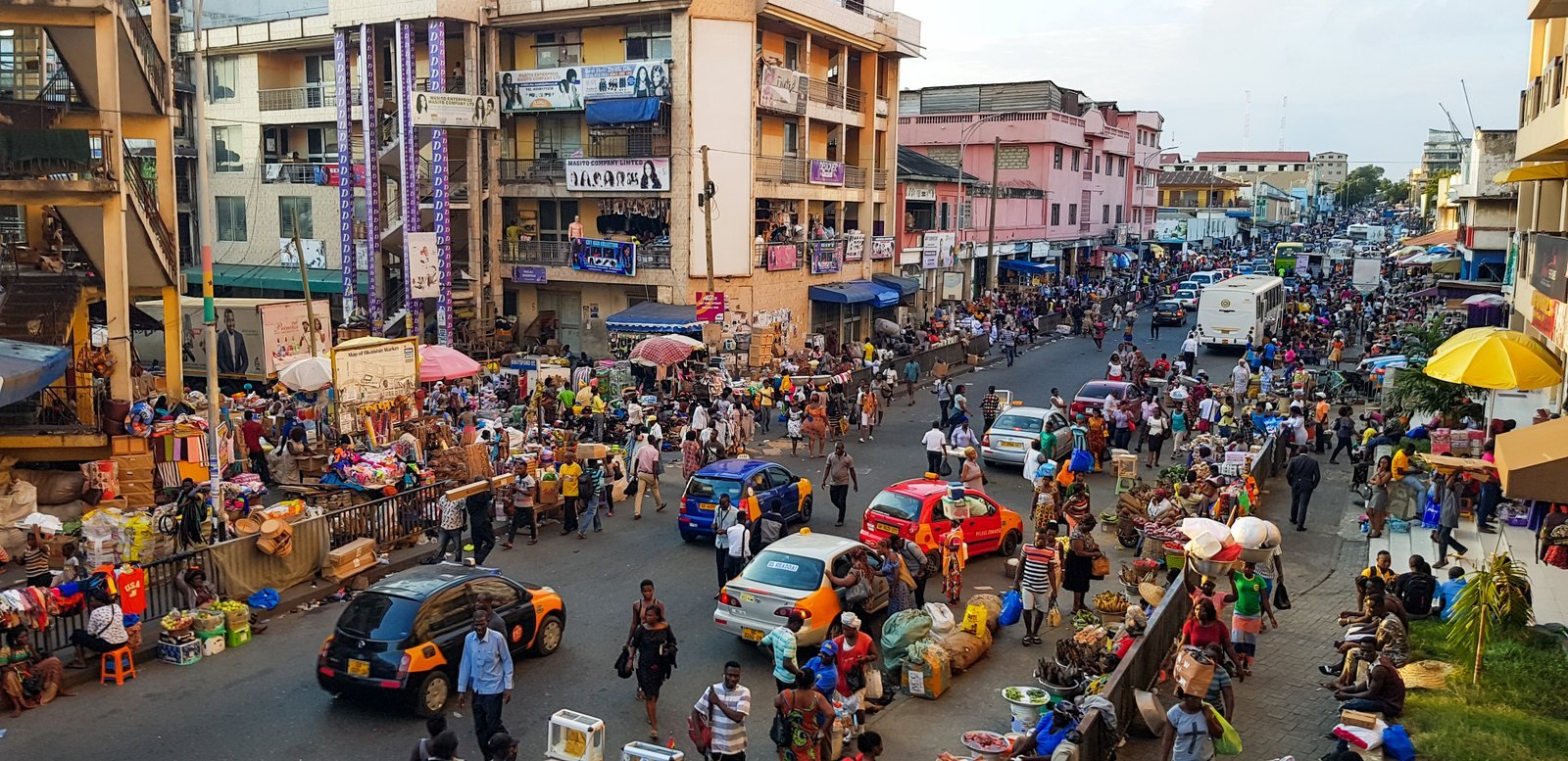
The same one-way pressure runs at the bottom of the labour market. Teenage work in America has collapsed, and that much is documented fact: the Bureau of Labor Statistics puts the teen labour-force participation rate at 57.9 percent in 1979 and in the mid-30s in recent years. The Bureau itself names the competition teenagers who want jobs now face — older workers, young college graduates and foreign-born workers. How much of the collapse that competition explains is contested among economists; we print the trend as documented and the argument as our own. When entry-level work is scarce, the teenager whose family has been in the country for ten generations queues behind hiring networks he is not part of — the family-and-friends pipeline that fills the shift before a posting ever appears. His grandparents’ first jobs were those jobs.
Precision, both ways
Two claims travel with this argument, and both are usually shouted in a form the record will not carry. Stated precisely, both still cut — in the direction the documents point. First, the grants argument. It is said that foreigners receive American grants ahead of citizens: there is no queue and no priority, and we will not print one. It is also said that federal aid shuts foreigners out. That is false too. Under the Federal Student Aid rules, a foreign citizen who holds US permanent residency is an “eligible noncitizen” — and so are refugees, asylees and several other humanitarian statuses. Eligible noncitizens file the same FAFSA and draw on the same Pell Grant pool as citizens. Who is actually shut out: temporary visa holders — F-1 and J-1 students — and undocumented students. Read that against the ticket window. America’s aid system admits the foreign citizen the moment he holds residency, on the same form and the same money, because the test is residency. The reel’s defenders call a nationality-labelled FOREIGNER ticket basic fairness. The two systems are not running the same test, and only one of them says so on the sign.
And eligibility is not funding — the point where the thread’s fairness talk meets the American ledger. The maximum Pell Grant is $7,395. Set against the average cost of attendance at a public four-year college — $27,182 a year in the federal figures — the maximum grant covers 27 percent of the bill. The rest is loans, work and whatever family money exists. The Institute for Higher Education Policy’s analysis of the federal National Postsecondary Student Aid Study found that 88 percent of Black students came out of the aid process with unmet need — costs still uncovered after grants and family resources — and that Black students carried the highest average unmet need of any racial group, $8,942, while white students on average covered their costs with a little to spare. The same research ties that gap to the highest student-debt burden after graduation, and federal research has long listed heavy work hours among the major risk factors for leaving college without a degree. So hold both facts at once, because both are documented: the FAFSA door stands open to the foreign resident on the same terms as the citizen — and the descendants of the people this country enslaved, inside the system that was supposedly repaired for them, routinely cannot finish without working against their own education. Against that ledger, the scandal the thread chose is a Rs 100 sign.
Second: the claim, aimed at Kamala Harris, that she descends from slave owners. Start with the primary source — her own father. Donald Harris, the Jamaican economist, wrote in his 2018 essay “Reflections of a Jamaican Father”: “my paternal grandmother Miss Chrishy (née Christiana Brown, descendant of Hamilton Brown who is on record as plantation and slave owner and founder of Brown’s Town).” That is first-person testimony from a father about his own grandmother’s line, published under his own name, and it runs in these pages as the anchor fact. Brown himself is independently documented: University College London’s Legacies of British Slave-Ownership records him as a Jamaican plantation and slave owner. Fact-checkers tag the descent “unproven” because the paper chain is incomplete — and Jamaican records for the enslaved and for mixed lines were never kept, which is exactly why Black lineages survive as family testimony in the first place. A missing-records label is not a refutation, and nobody has produced evidence the father’s account is false. Our position: a father’s published account of his own grandmother stands. What does not stand — and we will not print — is the inflated version, that Harris’s own family owned enslaved people. They were a landowning Jamaican family generations after emancipation. Precision both ways: the testimony runs, the inflation does not, because lineage claims get checked against records whoever makes them. That is the entire argument of the census fight, applied without fear or favour.
The older record behind the thread’s favourite defence — “your ancestors colonised us” — is documented in a companion investigation of Gandhi’s South Africa years, quoted from his own Collected Works. A ticket window in Delhi is a small thing. The habit underneath the thread is not: a world that sorts by lineage when it collects, and goes blind to lineage when it owes.
None of it would have surprised Dr. Claud Anderson. In PowerNomics — the work that gave this lineage argument its older name — Anderson warned that immigration would be used to dilute and displace Black Americans’ claims on their own country: blur the category until the claim can no longer be counted. A comment thread under a Delhi ticket board is that warning at small scale. The lineage invisible. The category borrowed. The door swinging one way. And the door’s beneficiaries hold an exit the lineage does not: when the argument turns, there is another country, another passport, another standing to fall back on. Black Americans have nowhere to be deported to in reverse and no second flag. They hold the consequences — which is why the category, the count and the claim are defended here, in the only country that is theirs.
Verification date: 22 November 2026. Comment counts are from a 493-comment sample of the reel pulled and keyword-scanned the same day; engagement figures are as checked that morning. Fee figures are from the official charts linked below. The verdicts on contested points are stated in the text; the framing of what the record means is our own.
Sources and further reading
Checked 22 November 2026.
- The @buildwithsatyam reel on the Dilli Haat price board (Instagram, 4 September 2026)
- Official Taj Mahal ticketing chart — INDIAN Rs 50 / FOREIGNER-NRI Rs 1,100 / SAARC-BIMSTEC Rs 540 (Archaeological Survey of India)
- US Department of the Interior, 25 November 2025 — America the Beautiful pass at $80 residents / $250 nonresidents from 1 January 2026
- National Park Service — nonresident fees: the $100 per-person fee at 11 named parks
- “The Immigrant Factor,” Inside Higher Ed, 1 February 2007 — Massey et al., American Journal of Education 113(2): 27% immigrant-origin among Black freshmen at 28 selective colleges, 40.6% in the Ivy League
- Federal Student Aid — eligibility for non-US citizens: permanent residents, refugees and asylees are eligible noncitizens who file FAFSA; F-1/J-1 visa holders and undocumented students are not eligible
- NASFAA, “Doubling the Maximum Pell Grant” — the $7,395 maximum covers 27% of the average public four-year cost of attendance ($27,182, NCES figures)
- Institute for Higher Education Policy, analysis of the federal National Postsecondary Student Aid Study (NPSAS:20) — 88% of Black students face unmet need; highest average unmet need of any racial group, $8,942
- US Bureau of Labor Statistics — teen labour-force participation peaked at 57.9% in 1979 and fell to the mid-30s; teens who want jobs face competition from older workers, young graduates and foreign-born workers
- Vijay Chokalingam, Almost Black: The True Story of How I Got Into Medical School by Pretending to Be Black (2016) — his own account of applying as “Jojo”; Saint Louis University’s spokeswoman disputed that race factored into his admission
- Rachel Dolezal — Spokane NAACP chapter president and Eastern Washington University Africana studies instructor, exposed in June 2015 by her own parents as a white woman presenting as Black; she resigned and was dismissed from both posts
- Inside Higher Ed, 4 September 2020 — Jessica Krug’s own admission that she was a white Jewish woman from suburban Kansas City who had claimed Black identities; she resigned from George Washington University
- Campus Reform, September 2020 — CV Vitolo-Haddad’s confession and resignations at the University of Wisconsin–Madison
- Nationality law — Ireland, Italy and Germany grant citizenship by descent; Ghana’s Immigration Act 2000 (Act 573), sections 17–18 — Right of Abode for the diaspora is indefinite stay by application and ministerial discretion, not citizenship (no passport, no vote), while a Ghanaian parent’s child holds citizenship by birthright
- Donald J. Harris, “Reflections of a Jamaican Father,” Jamaica Global Online (2019) — the father’s own account of his grandmother’s descent from Hamilton Brown; University College London, Legacies of British Slave-Ownership — Hamilton Brown, plantation and slave owner
Cover photo: craft stalls at Dilli Haat, Delhi. Photo: Pallav.journo, via Wikimedia Commons (CC BY-SA 4.0)
Leave a comment
Comment as a guest and verify your email, or sign in or create a reader account. Guest comments reach our review queue after email verification; account holders can submit directly for review.