Listen to this article
Take the story with you. Choose a voice and a pace that suits you.
Or listen in another language / choose a voice
Getting your device voices ready…
The voice follows the displayed language and your browser’s regional preference when available. You can choose another narration voice.
A facial used to be the thing you squeezed in between the museum and dinner. For a growing group of travellers it is now the reason the flight got booked at all. The glowmads beauty travel trend — named in Skyscanner’s Travel Trends 2026 report — describes people who choose a destination for its skincare clinics, cult beauty shops and local rituals, then build the rest of the trip around them (TravelPulse).
Skyscanner’s own summary is blunt about the shift: in 2026, skincare routines and beauty rituals “won’t just live on social feeds — they’ll shape real-world travel plans and behavior,” with travellers shopping for local products and detouring to cult-favourite retailers (TravelPulse). Beauty, in other words, has moved from the toiletry bag to the itinerary.
What the glowmads beauty travel trend actually looks like
The numbers behind the label are not marginal. According to Skyscanner’s Travel Trends research, 37% of travellers say beauty activities are part of their self-care routine while travelling, 32% want to experience local beauty culture on a trip, and 22% say TikTok and other social platforms influence their beauty-related travel decisions (Hospitality Net).
What does that mean on the ground? A dermatology consultation booked before the hotel. A suitcase packed half-empty for sheet masks and pharmacy finds. A scalp treatment treated with the same seriousness as a famous restaurant reservation. Hospitality Net describes trips that mix skincare clinics, local product shopping, destination-specific wellness rituals and simply keeping a routine going while on the move (Hospitality Net).
Celebrity behaviour has poured fuel on it. In 2025 Kim Kardashian visited South Korea and documented her session at a Seoul aesthetics clinic, drawing wide attention to the country’s cosmetic treatments and reinforcing Seoul’s reputation as a beauty destination (Hospitality Net).
Beauty tourism in Seoul sets the pace
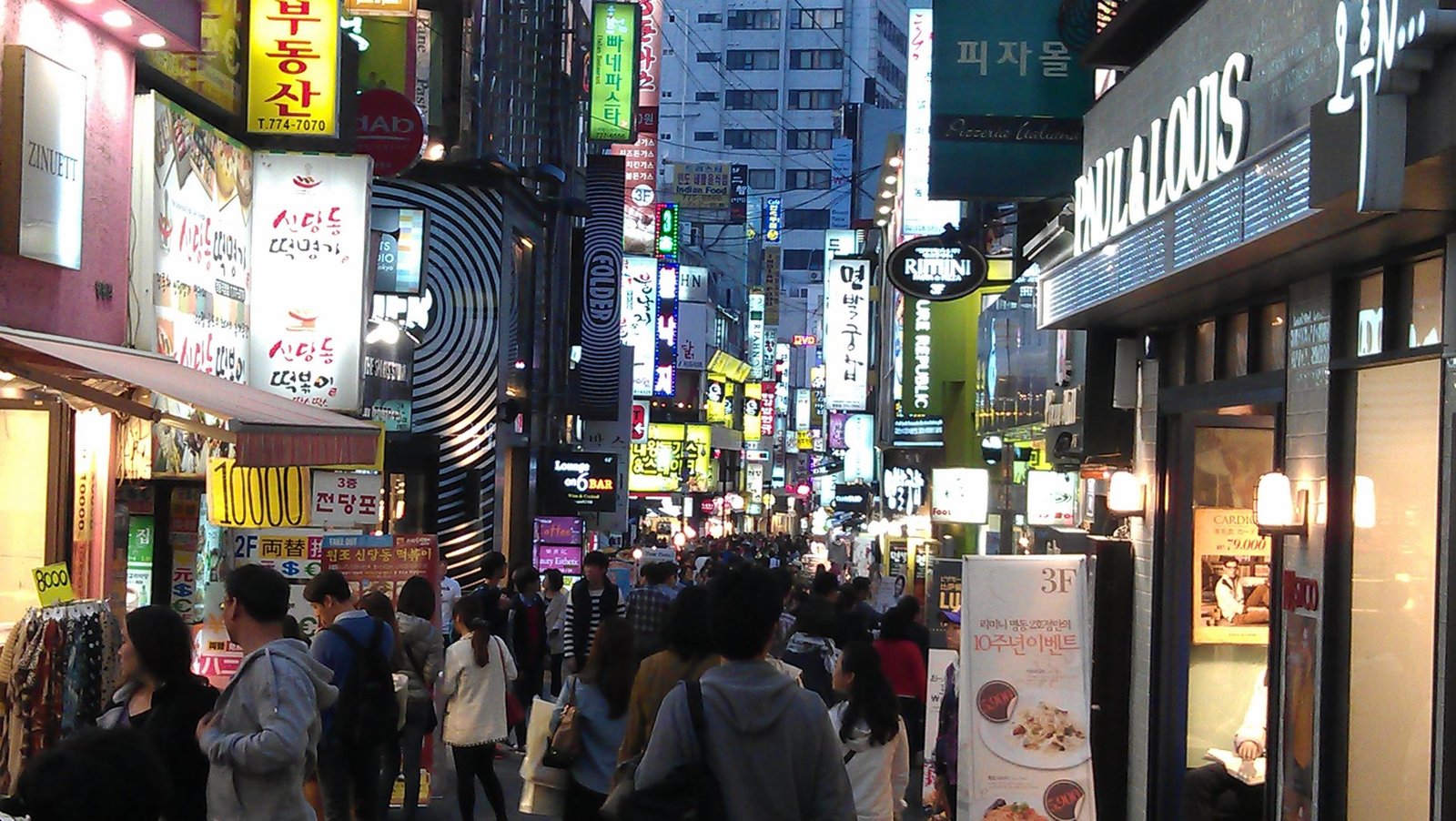
Every conversation about this trend lands in the same city first. “Seoul is the global capital of K-beauty,” Ayoub Hissar of travel platform JustFly told TravelPulse, pointing to multi-step skincare clinics, dermatology consultations in Gangnam, sheet-mask flagship stores, jjimjilbang spa culture and glass-skin facials at a fraction of US prices (TravelPulse).
The booking data matches the hype. JustFly told TravelPulse that bookings from the United States to South Korea are up roughly 65% over the past two years — the fastest growth of any beauty-tourism market it reviewed — and that nearly half, 45%, of solo travellers to Korea are between 18 and 34 (TravelPulse).
Individual travellers describe the pull plainly. Olivia, a 26-year-old from Melbourne travelling to Seoul next year, told Explore that skincare “was definitely a big factor” in choosing the city, that most of the products she wants are unavailable in Australia, and that she already has a shopping list ready, built from Korean beauty content on TikTok (Stock & Land). Travel advisor Rachel Havens told TravelPulse that beauty in Seoul is “woven into everyday life rather than being treated as a luxury,” with visitors leaving with personalised products and routines they keep using at home (TravelPulse).
Glowmad travel destinations beyond Korea
Seoul leads, but the map is widening fast. JustFly’s data shows traffic to Vietnam up about 62% over two years, with young travellers up 106% — the biggest youth jump of any market it tracked — while Japan rose 80% and Thailand 61% over the same period (TravelPulse). In Vietnam the draw includes hair-washing rituals with scalp massage and herbal rinses that have spread widely on TikTok, plus wellness resorts in Da Nang and Hoi An building daily treatments into the stay (TravelPulse).
Japan offers the slower version: traditional head spas combining scalp analysis, deep cleansing, massage and aromatherapy, set alongside centuries-old onsen traditions (TravelPulse). Ecuador pitches something different again — the Papallacta thermal springs outside Quito, at 10,800 feet, where the selling point is volcanic mineral water rather than a clinic (TravelPulse).
Hotels have noticed. Hospitality Net notes that properties in beauty-led destinations are adding spa facilities, skincare-brand partnerships, wellness packages and locally inspired treatments, and increasingly act as a gateway connecting guests with trusted local clinics, spas and retailers (Hospitality Net).
Analysis: strip away the coinage and “glowmad” is one strand of a wider change Skyscanner itself flags — post-pandemic “revenge travel” is over, and trips are being built around personal obsessions instead, whether that is skincare, supermarket aisles or bookshops (Stock & Land). The word will probably fade. The behaviour — booking the treatment first and the sightseeing second — looks built to stay.
Photo: Christian Bolz, via Wikimedia Commons (CC BY-SA 4.0)
Leave a comment
Comment as a guest and verify your email, or sign in or create a reader account. Guest comments reach our review queue after email verification; account holders can submit directly for review.