
Listen to this article
Take the story with you. Choose a voice and a pace that suits you.
Getting your device voices ready…
The voice follows the displayed language and your browser’s regional preference when available. You can choose another narration voice. Enhanced device voices are preferred; availability varies.
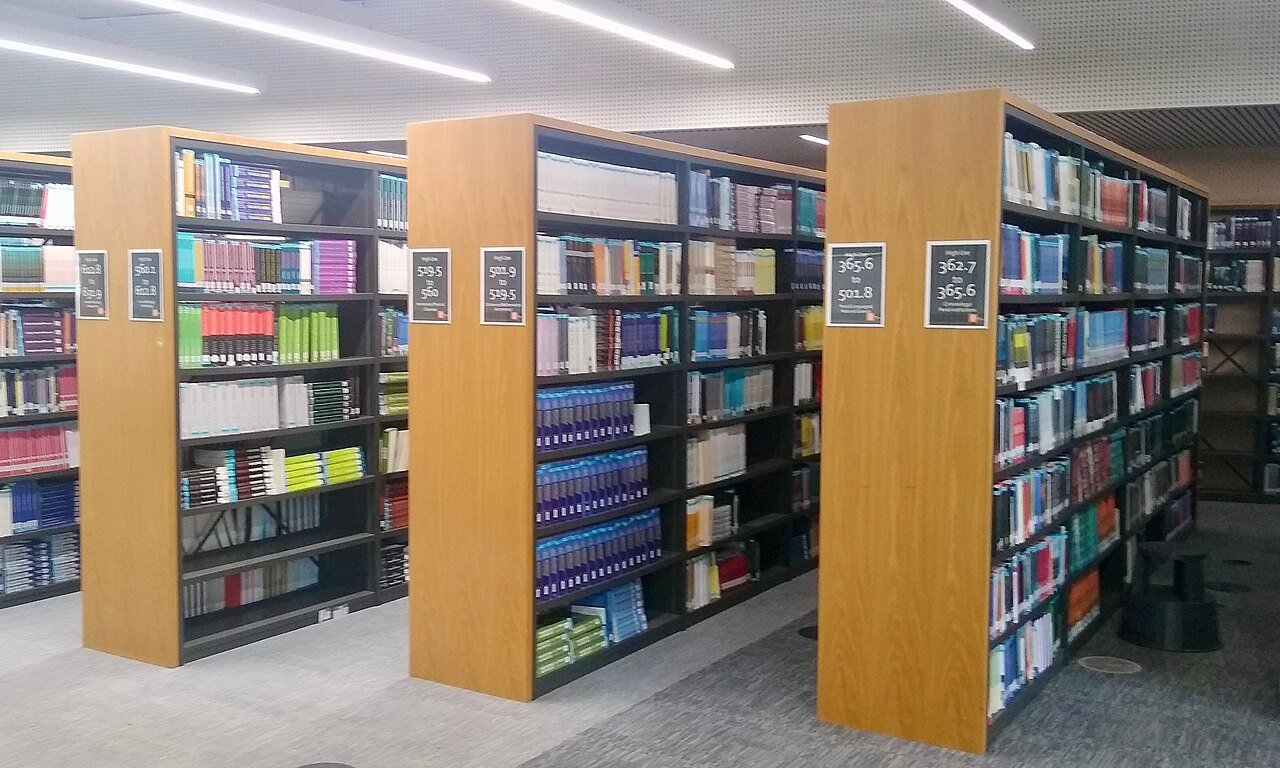
A library’s shelves represent many decisions made over time. A librarian selects a work, a budget determines what can be bought, and a reader decides whether to borrow it. A demand to remove a book introduces another decision: who may prevent other people from making that choice?
The American Library Association’s report covering 2024 says nearly three quarters of reported book challenges came from pressure groups and government sources. Its findings concern the cases it documented; they should not be mistaken for a complete count of every dispute or a description of every parent’s concern. [1]
A request is not an outcome
A challenge, a restriction, and a removal are different events. Reporting should explain which has happened. It should also distinguish a school collection serving particular ages from a public library serving an entire community. Without those details, a dispute can be made to sound simpler than the decision actually facing the institution.
People can disagree about a work’s suitability while accepting that a fair review needs a published procedure. What criteria apply? Has the work been considered in context? Who decides, and can the decision be appealed? These questions are especially important when the controversy around a title becomes more familiar than its contents.
The reader outside the argument
Public disputes often concentrate on the most vocal participants. The less visible reader may be a teenager looking for language to describe an experience, an adult exploring an unfamiliar belief, or someone who simply wants to examine an argument firsthand. An access decision affects those readers even when they never attend a meeting.
That does not remove the need for age-appropriate collection practices or professional judgment. It makes the purpose and limits of those practices worth stating clearly. A parent deciding what their own child reads and a public authority removing access for a wider group exercise different kinds of power.
A useful account of a library controversy follows the decision through to its consequences. It names the policy, identifies the affected readers, and explains the outcome. Treating the dispute merely as another episode in a culture war leaves the library’s actual public function out of the story.
Leave a comment
Comment as a guest and verify your email, or sign in or create a reader account. Guest comments reach our review queue after email verification; account holders can submit directly for review.