Listen to this article
Take the story with you. Choose a voice and a pace that suits you.
Or listen in another language / choose a voice
Getting your device voices ready…
The voice follows the displayed language and your browser’s regional preference when available. You can choose another narration voice.
Malaysia AI chips seized at the country’s main airport were announced on Wednesday, 28 October 2026. Malaysian customs said it had seized about 49.5 million ringgit, worth $12.11 million, in advanced chips this month, as authorities closed in on a syndicate suspected of smuggling high-performance semiconductors through Kuala Lumpur International Airport (Reuters). The find was not a suitcase of loose parts. Officers found 30 server units holding the chips during an inspection on 15 October in the airport’s free trade zone, the airport’s customs director Aspalila Ag Tuah told reporters (Reuters via SRN News).
No destination country was named in the announcement. Customs also did not name the chip maker. What officials did describe was a route, a false label, and a pattern that looks familiar to them.
Information verified through 28 October 2026.
Malaysia AI chips seized: why were AI chips seized in Malaysia? A false label and a missing permit
Start with the paperwork. Initial investigations found the shipment came from an Asian country and was to be re-exported to another nation in the continent, a move that required a trade permit, Aspalila said (Reuters). That permit question is the hinge of the case.
“The servers were falsely declared as electronic components… and shipped through Malaysia to ensure there would be no restrictions imposed while being exported to the next destination,” Aspalila said, in the account carried by Reuters (BusinessWorld). Put plainly, customs says the servers were described as something ordinary so they could pass through Malaysia and leave again without the checks that would have applied to what they actually contained.
A Malaysian firm that facilitated the shipment has been called in to assist investigations, Reuters reported (Reuters via SRN News). Officials gave no name for that firm, and no arrests were announced in the reports published on Wednesday.
Malaysia AI chip export controls: the permit rule behind the seizure
This seizure did not happen in a legal vacuum. Malaysia imposed export controls last year on the movement of advanced AI chips of US origin, following pressure from the United States to stem their flow into China, Reuters reported (Reuters).
The shape of that rule was set out on 14 July 2025. Malaysia’s investment, trade and industry ministry said that, effective immediately, all exports, transshipments and transits of high-performance AI chips of US origin would be subject to a Strategic Trade Permit, AFP reported at the time (Space Daily / AFP). The ministry said the step served to close regulatory gaps while Malaysia reviewed whether to add such chips to its Strategic Items List. Washington had voiced concern about transshipment of US-made chips, in particular the risk of sensitive components being diverted to China, the same AFP report said.
So the legal test for a shipment like this one is not mysterious. Was it declared honestly? Did it have the permit its onward journey required? Customs says the answer on both counts was no. Whether a court agrees is a separate question, and officials declined to give further details on Wednesday, citing an ongoing probe (Reuters via SRN News).
A Kuala Lumpur airport chip smuggling syndicate, not a one-off
One shipment would be a story. Five linked cases are a pattern.
Customs suspects this shipment was carried out by a network responsible for a similar smuggling attempt foiled in June, Aspalila said (Reuters). At least five cases were linked to the syndicate, involving seizures worth more than 100 million ringgit in total, she said (BusinessWorld). Wednesday’s 49.5 million ringgit haul is, on those figures, close to half of everything tied to the network so far.
That changes how to read the bust. A single false declaration can be one freight handler cutting corners. A repeat route through the same airport’s free trade zone, using the same trick of calling servers “electronic components,” points to people who had done this before and expected to do it again. Customs has not said who they are. It has said the probe is still open, and it has a local firm in the room answering questions.
Analysis: Malaysia sits in an awkward spot, and this case shows why. It wants the data-centre and semiconductor business that comes with being a regional hub. It also faces direct US pressure to prove chips are not leaking onward from its soil. A public seizure, announced with a dollar figure and a syndicate, does two jobs at once: it disrupts one route, and it signals to Washington that the 2025 permit rule has teeth. The harder test comes later, in whether prosecutions follow and whether the June-to-October pattern actually stops, rather than simply moving to a different airport or a different false label.
Watch for three things next: names, charges, and a destination. Customs withheld all three on Wednesday. Any one of them would tell you far more about who wanted these servers than the seizure photograph does.
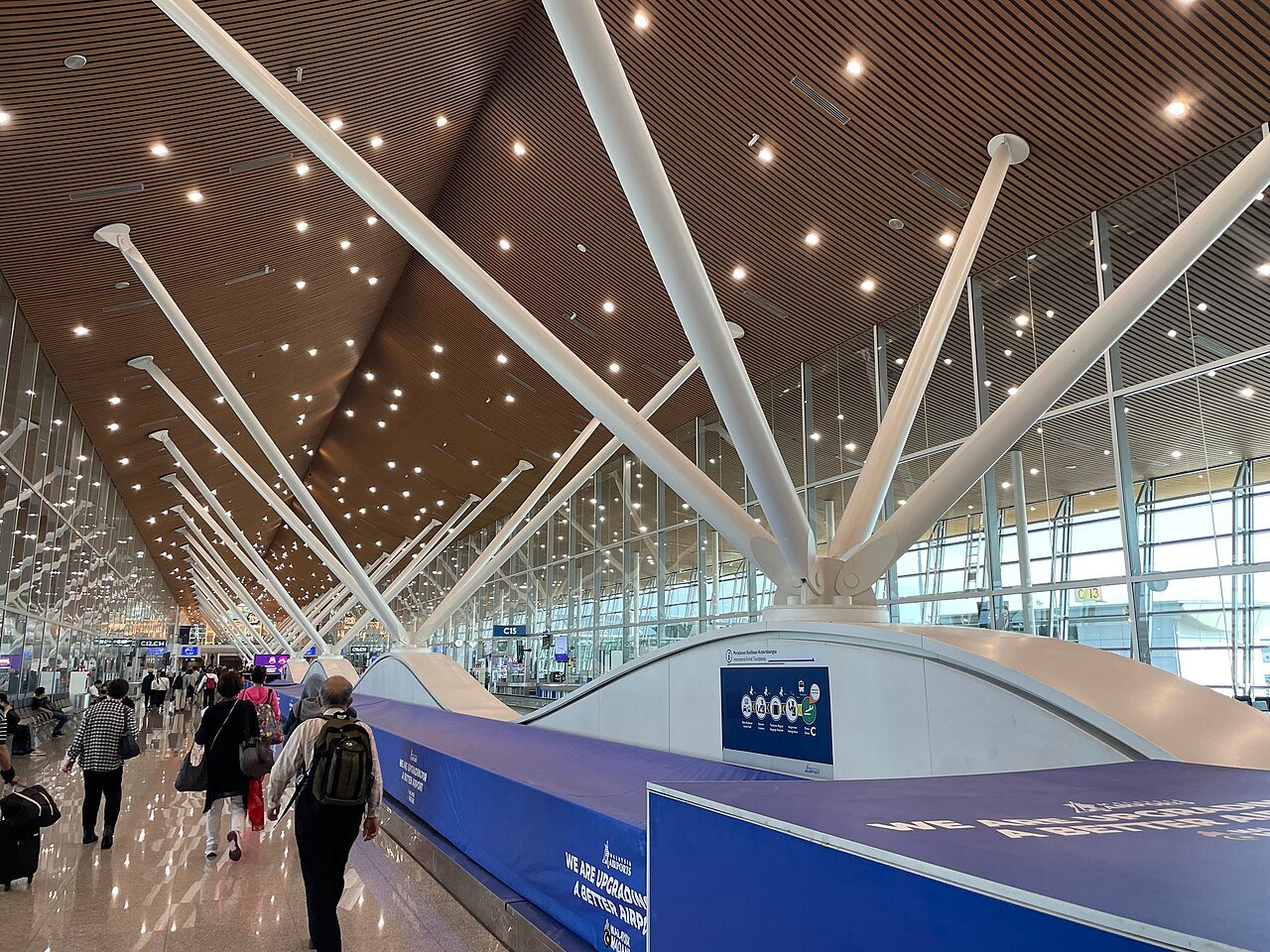
Photo: Eugene Ormandy, via Wikimedia Commons (CC0)
Sources
- https://www.reuters.com/world/china/ai-chips-worth-121-million-seized-malaysia-airport-customs-authority-says-2026-10-28/
- https://srnnews.com/ai-chips-worth-12-1-million-seized-at-malaysia-airport-customs-authority-says/
- https://bworldonline.com/technology/2026/10/28/789845/ai-chips-worth-12-1-million-seized-at-malaysia-airport-customs-authority-says/
- https://www.spacedaily.com/reports/Malaysia_clamps_down_on_export_transit_of_US-made_AI_chips_999.html
Leave a comment
Comment as a guest and verify your email, or sign in or create a reader account. Guest comments reach our review queue after email verification; account holders can submit directly for review.