Listen to this article
Take the story with you. Choose a voice and a pace that suits you.
Getting your device voices ready…
The voice follows the displayed language and your browser’s regional preference when available. You can choose another narration voice. Enhanced device voices are preferred; availability varies.
Serbia votes on Sunday. Not in a few months. On 25 October.
Three days out, the picture Reuters assembled on 22 October is grim reading for anyone who cares about a clean contest. Activist Marko Marjanovic told Reuters that masked officers bundled him into a car on his way back from a supermarket in Belgrade and held him for two days in solitary confinement in a police station basement under bright lights. He said police had beaten him during anti-government protests in August 2025. He and his lawyer describe a campaign to silence him. Information verified through 22 October 2026.
Vucic is trying to extend a long hold on power. He has dominated Serbian politics first as prime minister, then president, since 2014, Reuters reported on 21 October, and he stepped down as president in September to run again for prime minister in this snap election. The Associated Press put the same timeline plainly: Vucic resigned as president on Sept. 27, cutting short his second and final legally allowed term by more than seven months.
His party denies the darker charges. Vucic and his Serbian Progressive Party, the SNS, have repeatedly denied accusations of repression and corruption, Reuters reported, and his office and the Interior Ministry did not respond to requests for comment on that story.
Where the students came from
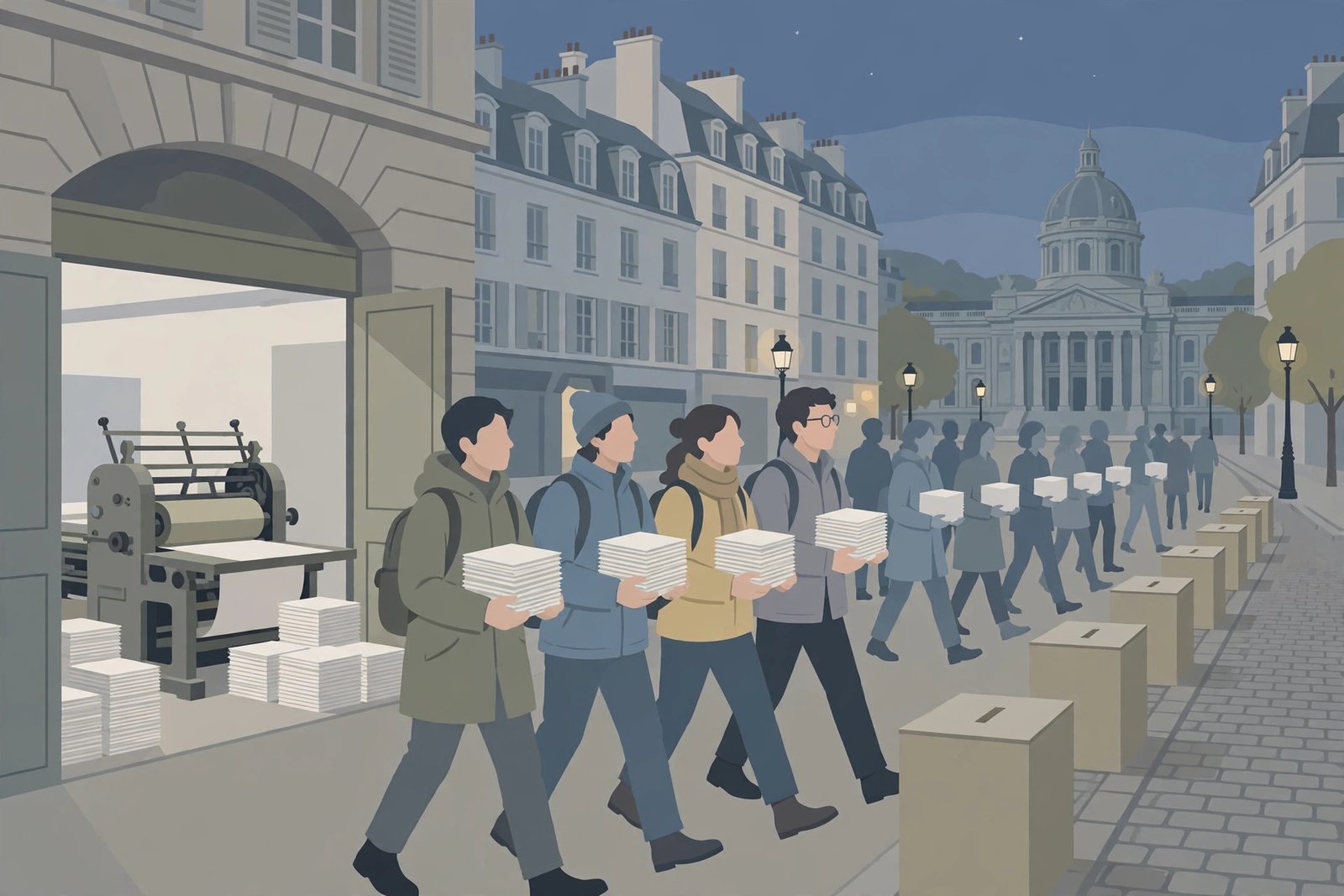
This did not start as an election campaign.
A railway station canopy in Novi Sad collapsed in November 2024 and killed 16 people. Students blockaded faculties. Neighbours brought food and mattresses. The AP dates the start the same way: the protests were sparked by a Nov. 1, 2024 train station canopy collapse that killed 16 people in Novi Sad.
Two years on, the movement fields its own list. Reuters calls it “Students Win,” with 250 candidates — professors, actors, farmers, a popular rapper. A dozen students and teachers told Reuters the staying power came from door-knocking across the country, peaceful marches, a tight media message and rotating leaders so no single person became an easy target for smears.
Polling is close enough to make Sunday genuinely uncertain. The only poll published this month, by New Serbian Political Thought on 20 October, showed the students’ list edging ahead of the SNS with 44.5% to 42.7%, although betting odds favour Vucic, Reuters added. A separate poll cited on 22 October put the students neck and neck with the SNS. Neck and neck is not a lead you can bank.
Press, phones, and the street
The numbers on press freedom are stark — and they come from named indexes, not from campaign speeches.
The 2026 World Press Freedom Index compiled by Reporters Without Borders ranked Serbia 104th out of 180 countries, the lowest ever, Reuters reported, and the worst in the EU-Balkan region. Transparency International’s 2025 Corruption Perceptions Index gave Serbia its lowest score in two decades, on the same Reuters account. RSF says six Serbian journalists are in exile because of threats, and data from the Slavko Curuvija Foundation says Vucic verbally attacked journalists and media outlets at least 182 times in the first nine months of this year. Vucic has denied intimidating the media and says he has not shut down any news organisations.
Phones are part of the story too. Digital rights group SHARE Foundation said in September that 14 people had been targeted with advanced spyware. Protest participant Jelena Kontic said Apple warned her in March that Pegasus may have been installed on her phone, and that forensic tests including by Citizen Lab confirmed it. Serbia’s Security Information Agency called claims of state involvement “trivial sensationalism,” and Reuters said it could not determine who was responsible for the alleged infections. NSO Group, which makes Pegasus, has said it only sells to governments.
On the street, Reuters verified video of a beating in Valjevo in August last year. Architect Dusan Radovic, 26, said officers surrounded and struck him as he helped someone who had fallen. An independent report by forensic specialist Dr. Djordje Alempijevic counted 25 people badly beaten that night and called the injuries a pattern, not isolated incidents. The Interior Ministry did not respond to a question on Valjevo, Reuters said.
The diaspora argument nobody needed
Add a voting-hours row.
Serbia’s election commission tied overseas voting hours to the 7 a.m. to 8 p.m. window in Serbia rather than to local time abroad, the AP reported, and approved 93 polling stations overseas. In Chicago that means ballots between 1 a.m. and 2 p.m. In parts of Australia and New Zealand, overnight. At least 100,000 citizens have applied to vote abroad, nearly three times as many as in 2023, election officials said.
Commission member Sofija Mandic said the changes could “effectively close the door for more than 26,000 people.” Foreign Minister Marko Djuric denied partisan picking, citing logistical, security, spatial and staffing criteria. Vancouver has no station despite nearly 1,300 applications, another commission member said — the nearest options sit about 3,500 kilometres away.
Analysis: Strip the noise away and Sunday asks a simple question. Can a movement born in mourning — one minute of blocked traffic for each person killed — turn two years of marches into parliamentary seats against a leader who has run the country for 12 years? The students have organisation, a symbol in the red handprint, and a poll that says they are level. What they do not yet have, Reuters notes, is a clear answer on governing: who would lead, what happens on the EU, Kosovo, or sanctions on Russia. Voters are being asked to punish corruption first and learn the programme second. That has worked elsewhere. It has also produced governments that stall on contact with a bureaucracy that does not want them. Either way, the count on Sunday night will tell only half the story. Whether the loser accepts it will tell the rest.
Sources
- Reuters — “Beatings, cyberattacks and threats darken Vucic’s Serbia ahead of elections” (22 October 2026): https://www.reuters.com/world/europe/beatings-cyberattacks-threats-darken-vucics-serbia-ahead-elections-2026-10-22/
- Reuters — “As Serbia votes, students emerge as greatest threat to Vucic’s long rule” (21 October 2026): https://www.reuters.com/world/europe/serbia-votes-students-emerge-greatest-threat-vucics-long-rule-2026-10-21/
- Associated Press — “Serbia ties overseas voting to local time, a move likely to spark backlash ahead of a key election” (8 October 2026): https://www.ap.org/news-highlights/spotlights/2026/serbia-ties-overseas-voting-to-local-time-a-move-likely-to-spark-backlash-ahead-of-a-key-election/
Leave a comment
Comment as a guest and verify your email, or sign in or create a reader account. Guest comments reach our review queue after email verification; account holders can submit directly for review.