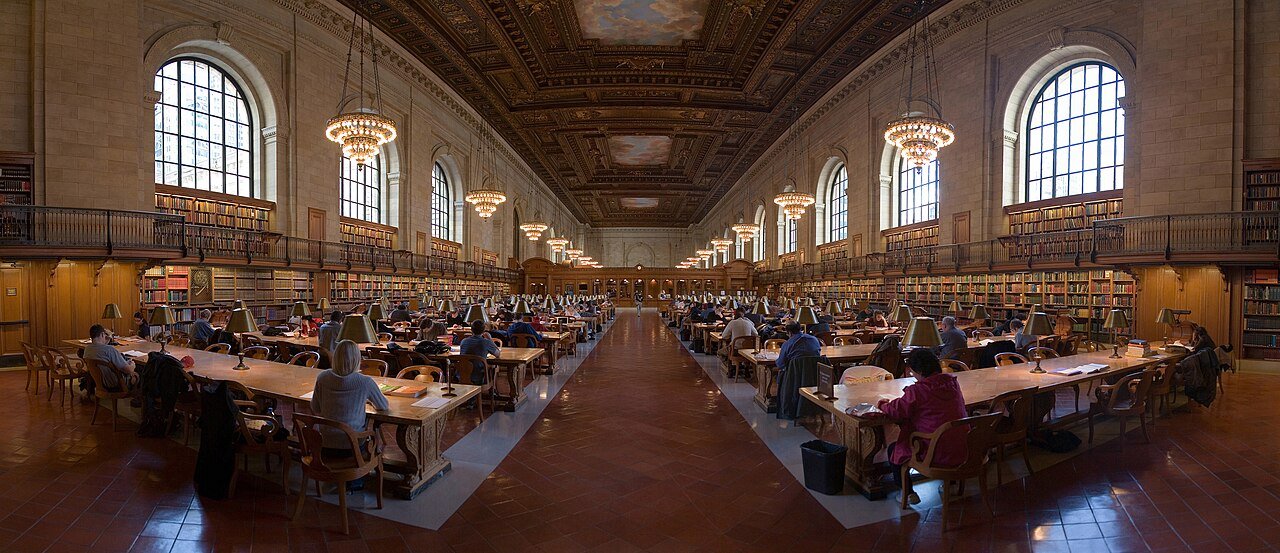

There is a particular comfort in entering a place where recognition does not require an explanation. The person behind the counter remembers a usual order. Someone moves a chair. A conversation can begin with the weather because nobody needs it to produce an immediate result.
Such places occupy a useful space between home and formal obligation. They allow repeated contact without requiring the commitment of an organized group. A library reading room, a café, or a shared courtyard may serve that purpose for different people. None does so automatically simply by existing.
Permission to linger
Price, opening hours, seating, and the conduct expected of visitors determine who can stay. A welcoming room with an expensive minimum purchase offers a different kind of access from a public room where spending is unnecessary. A place can look open while making some visitors feel they must justify their presence.
The small practical details deserve attention. Is there somewhere to sit alone without being isolated? Can people hear each other? Can a person with limited mobility enter comfortably? Does the room tolerate an unhurried visit? These decisions shape the possibility of informal company.
Familiarity is a modest achievement
A shared place need not produce a close-knit community every afternoon. Recognizing a face, exchanging a few words, and feeling less anonymous are worthwhile outcomes. Asking every gathering space to cure loneliness can burden an ordinary public pleasure with an impossible promise.
The case for these spaces begins with their everyday use. People need somewhere to be around others without applying, performing, or proving that they belong. When a neighborhood considers what to protect or build, that kind of permission deserves a place beside more easily counted amenities. A useful room can offer something as simple as a reason to leave the house and somewhere to arrive.