Listen to this article
Take the story with you. Choose a voice and a pace that suits you.
Or listen in another language / choose a voice
Getting your device voices ready…
The voice follows the displayed language and your browser’s regional preference when available. You can choose another narration voice.
Essence Festival leaving New Orleans is no longer a threat traded in contract talks. On 24 November 2026, Sundial Media Group, which owns Essence magazine and the festival, confirmed it plainly: “The 2027 Essence Festival of Culture will not take place in New Orleans” (NOLA.com). The announcement ends a run that began in 1995 and held in the city in all but two years since — a move to Houston in 2006 after Hurricane Katrina, and an online edition in 2020 during the pandemic (USA Today).
The timing was pointed. Sundial’s statement landed hours after Mayor Helena Moreno told a news conference, held for the Bayou Classic football game, that it was time for the city and the festival to “go our separate ways” (NOLA.com). Neither side pretended this was amicable. Both, in different words, said the partnership had run out.
Why is Essence Festival leaving New Orleans? Two accounts, one broken contract
Start with what both sides agree on. The festival’s seven-year contract with the city expired — Black Enterprise dates the expiry to after the 2026 festival, while iHeart’s report, citing the Louisiana Illuminator, puts it in September — and no new multiyear agreement replaced it (Black Enterprise).
Past that, the accounts split. Sundial says it sought a multiyear agreement for months and repeatedly asked to meet city officials on the record, without a response. “We did not come to this lightly,” the company said. “We are at a larger inflection point, and we don’t want to get caught in the political discourse between the city and state of Louisiana. The largest Black festival of its kind has to be where it can grow, where it is valued, and where it serves the people who make it what it is” (USA Today). Sundial also denied that vendor payments were the sticking point, and said it is working to settle what it owes Louisiana vendors from the 2026 festival (Parade).
Moreno’s version names those payments directly. Vendor payments were one of the “major unresolved issues” and “biggest disappointments” of the talks, she said, adding: “We still had vendors not paid again for this year” (Black Enterprise). Any future festival deal, she has said, must guarantee local vendors get paid (USA Today).
The Essence Festival economic impact New Orleans is losing
The money explains why this fight mattered to both sides. The festival has generated an estimated $300 million in economic impact for New Orleans, across hotels, restaurants, transport, venues and local businesses, according to festival organizers and tourism officials (Black Enterprise). It also explains the city’s leverage problem: Louisiana Legislative Auditor Mike Waguespack had urged officials to rethink the roughly $750,000 in annual public funding the festival receives, and Sundial reportedly sought $10 million to $12 million in incentives from city and state officials to cover rising costs (Black Enterprise).
Read those numbers together and the standoff makes sense. A festival worth $300 million a year to the local economy was asking for eight figures in public support, while the city’s own auditor was questioning the six-figure subsidy it already got — and local vendors, the smallest players in the story, were still waiting to be paid.
An Essence Festival new city 2027, and a replacement at home
Where does it go? Sundial hasn’t said. Houston, Atlanta, Philadelphia, Detroit, Baltimore, Nashville and New York have all reportedly expressed interest in hosting (Black Enterprise). Sundial CEO Kirk McDonald had already confirmed talks with several of those cities last month, conditional on failing to land a multiyear deal in New Orleans (NOLA.com).
New Orleans, for its part, is not leaving the Fourth of July weekend empty. Moreno says the city will announce a new Black culture festival for that weekend on 9 December, built with national Black entertainment producers, bringing major national talent to the Superdome while showcasing local artists and musicians (USA Today). Her pitch leans local: more room for emerging artists and Black-owned businesses, and programming that spreads beyond the big venues into neighbourhoods (Black Enterprise).
Analysis: both sides are now running the same play — each claims the other’s failure forced the split, and each is already selling the sequel. What neither can sell is the thing that made the original work. Essence in New Orleans was never just a booking; it was a homecoming with a 30-year habit behind it, down to the farewell letter’s own line: “Every year, the people of New Orleans made it feel like home” (USA Today). A new city can offer a stadium and incentives. Whether it can offer that is the open question of 2027.
Information verified through 26 November 2026.
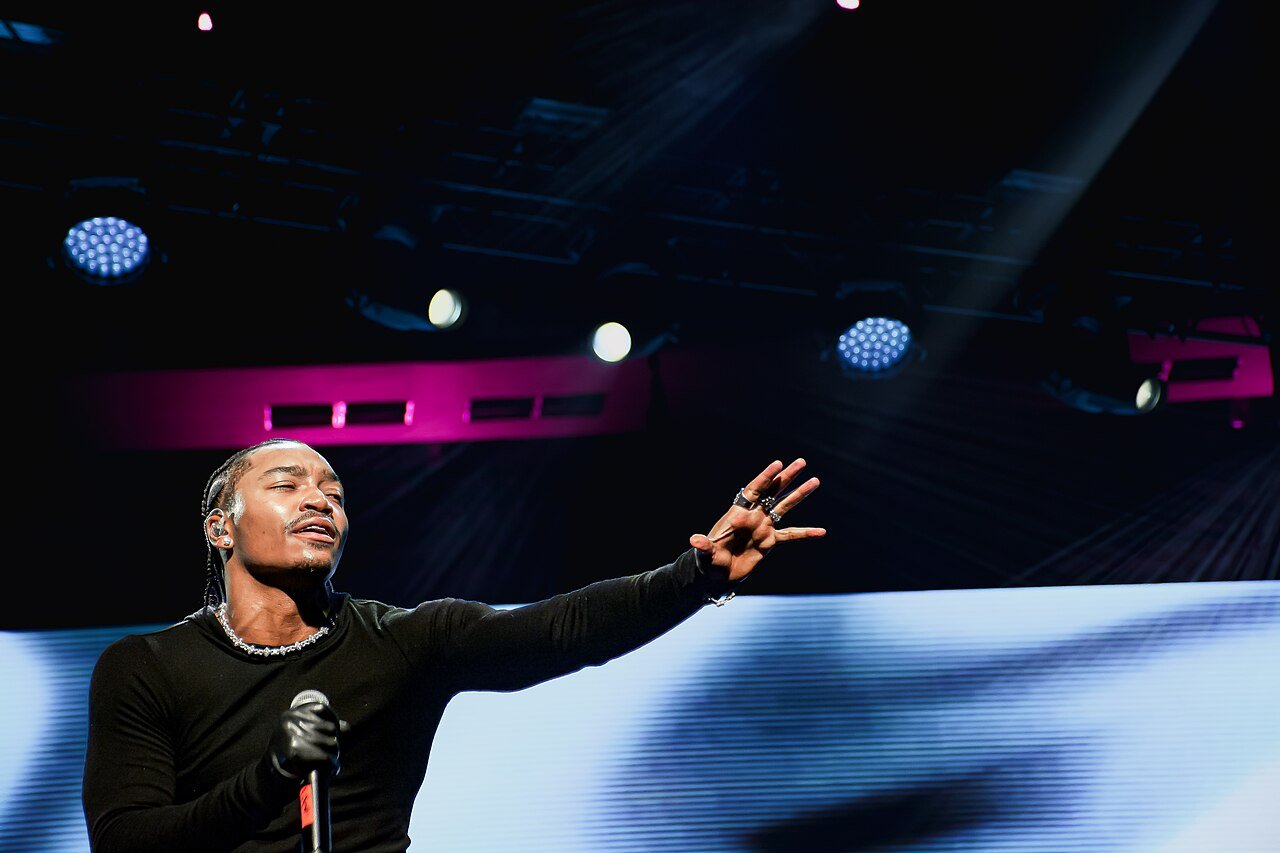
Photo: TheSingingPhotographer, via Wikimedia Commons (CC BY-SA 4.0)
Sources
- USA Today — Essence Fest 2027 won’t take place in New Orleans: https://www.usatoday.com/story/entertainment/2026/11/24/essence-fest-new-orleans-2027/92948307007/
- NOLA.com — Essence Fest is leaving New Orleans after months of failed negotiations, festival leaders say: https://www.nola.com/news/essence-officially-leaving-new-orleans/article_2c3056f1-014b-4cb8-9ae0-58ce3c9fafe9.html
- Black Enterprise — Essence Festival Will Not Return To New Orleans In 2027: https://www.blackenterprise.com/essence-festival-not-return-new-orleans-2027/
- Parade — Essence Fest Is Officially Leaving New Orleans After More Than 30 Years: https://parade.com/entertainment/essence-fest-is-officially-leaving-new-orleans-after-more-than-30-years
Leave a comment
Comment as a guest and verify your email, or sign in or create a reader account. Guest comments reach our review queue after email verification; account holders can submit directly for review.