Listen to this article
Take the story with you. Choose a voice and a pace that suits you.
Or listen in another language / choose a voice
Getting your device voices ready…
The voice follows the displayed language and your browser’s regional preference when available. You can choose another narration voice.
On 30 October 2026, London’s High Court dismissed the challenges brought by Meta, WhatsApp, X and TikTok against the regulator’s data demands, and the Ofcom information notices High Court ruling is now the first court test of the information-gathering powers in the Online Safety Act 2023. The judgment was handed down by Lord Justice Singh and Mrs Justice Collins Rice.
The notices stay in force. The companies keep the right to complain about them. What they lost — and this is the interesting part — was an argument about paperwork: they said the demands were too heavy, and then could not show their working.
Information verified through 2 November 2026.
The Ofcom information notices High Court ruling, and what the Online Safety Act section 100 powers demand
Ofcom issued the notices in February 2026 under section 100 of the Act, after several months of dialogue with the companies, the court’s press summary records, via TSN’s account of the judgment. Section 100 lets Ofcom require information it needs for its online safety functions, exercised proportionately. Failing to comply is a criminal offence, with a defence where compliance was not reasonably practicable.
The requests fall into six categories: the definitions each provider uses; total user activity broken down by age group; how much content and how many accounts faced moderation action, and how quickly; how far UK users, including children, were exposed to content that was later actioned; appeal outcomes and their timing; and the volumes and outcomes of reports filed by UK users, the judgment lists.
The data runs from 1 January 2024 — before the Act’s duties began, giving Ofcom a baseline — and arrives in three tranches due 15 June 2026, 22 September 2026 and 25 March 2027. Ofcom has told the companies it expects to ask regularly, as part of its monitoring and evaluation programme. MediaNama’s account of the ruling notes the regulator’s position: the data is needed to measure online safety risks and judge whether moderation works, not tied to one enforcement case.
The content moderation data Ofcom wanted, and the burden the platforms claimed
Nobody in court pretended compliance was trivial. X said it would cost “millions of pounds” and take three or four months of specialist work, and called its notice the most burdensome request it had received from any regulator, Reuters reported, via PYMNTS. Meta said a partial response had already involved up to 20 teams. TikTok UK pointed to more than a thousand employees in 80 teams working on UK compliance and called the notice one of the largest single regulatory requests it had faced in the UK or EU, TSN summarises from the judgment.
Then the judges asked the obvious follow-up: how much of that is the notice, and how much is the compliance operation these firms now run anyway? The answer never came in usable form. “None of these figures is, however, materially further quantified, explained or contextualised,” the court said of X’s evidence. On all three claimants: “It does not sufficiently identify the necessary baselines or differential resource impact.”
Seven of the nine grounds were refused permission as unarguable. That included the claim that Ofcom was sneaking around the Act’s separate transparency regime. The regimes do different jobs, the court held: transparency is about publishing information, the notices gather data for the regulator’s own work — and the transparency regime “is not yet available to OFCOM” anyway, the judgment states. Proportionality and human rights were allowed through, then dismissed on their merits, with no breach of the Human Rights Act found, MediaNama reports.
What the Meta TikTok X Ofcom challenge leaves unresolved
An Ofcom spokesperson told Reuters that “gathering information from companies is fundamental to our ability to do our job.” Meta told the agency it was “disappointed with the court’s decision” and that “information-gathering of this scale goes beyond what is necessary or proportionate.” TikTok said it was considering the judgment, Reuters reported, via TSN.
Two questions were parked. The court said the relevance of future repetition of requests, and of sanctions for non-compliance, to proportionality is “for another day.” That day may not be far off, since Ofcom expects to repeat these requests regularly. Separately, Meta’s challenge to how Ofcom calculates regulatory fees and fines is still awaited, and Meta has also challenged the classification of WhatsApp and Instagram as Category 1 services, MediaNama notes. The regime itself carries fines of up to 10% of worldwide revenue for the most serious breaches, PYMNTS reports.
Analysis: The ruling does not say the notices are cheap. It says the only parties who could prove they were too expensive chose not to show the numbers that would prove it. For every platform facing a data demand from a regulator, the lesson is unglamorous: build the baseline first. “Millions of pounds,” unitemised, is a press line. In court, it was not evidence — and the case turned on exactly that gap.
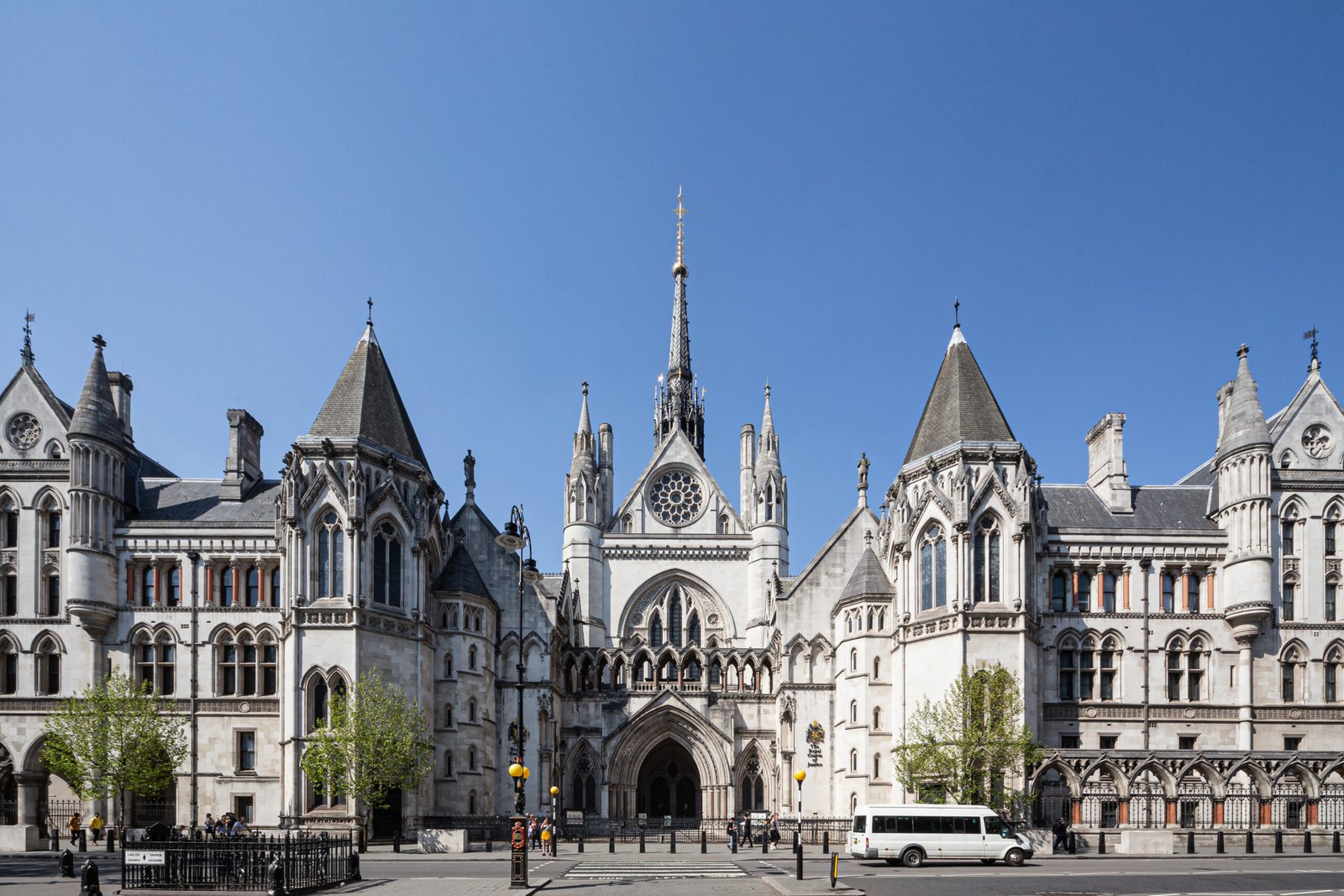
Photo: David Castor, via Wikimedia Commons (CC0 1.0)
Leave a comment
Comment as a guest and verify your email, or sign in or create a reader account. Guest comments reach our review queue after email verification; account holders can submit directly for review.