Listen to this article
Take the story with you. Choose a voice and a pace that suits you.
Or listen in another language / choose a voice
Getting your device voices ready…
The voice follows the displayed language and your browser’s regional preference when available. You can choose another narration voice.
Knowing how to adjust when daylight saving time ends is mostly about not trusting the phrase “extra hour.” At 2 a.m. on Sunday 1 November 2026, clocks across most of the United States fall back one hour to standard time — the night after Halloween (Vanderbilt Health News). Information verified through 31 October 2026.
The gift hour is real on the clock face. Your body is less easily fooled. Sleep specialists describe the fall change as the gentler of the two yearly shifts, and still one that can leave people groggy, early-waking and oddly tired at dinner time for days.
Why the extra hour of sleep often isn’t
“While ‘springing forward’ disrupts your circadian rhythm more than ‘falling back,’ any one-hour shift of the clock can alter your body’s sleep-wake schedule,” said Dr. David Kuhlmann, a sleep medicine specialist speaking for the American Academy of Sleep Medicine Foundation, adding that people who are already chronically short on sleep feel the misalignment most (USA Today). In plain terms: if you are behind on sleep already, the clock change lands on a debt.
The mechanism is light. Turning the clocks back means sunset arrives an hour earlier, and that earlier darkness nudges the body’s internal clock — the circadian rhythm that runs sleep, alertness and a stack of other functions — out of step with the day (USA Today). The time change has also been linked to fatigue and low mood, and teenagers, night-shift workers and older adults tend to have the roughest ride because their schedules are already fragile (USA Today).
There is a deeper layer to it. A warning from the University of Alabama at Birmingham, reported on 14 October, argues that the heart, brain and other organs each keep their own circadian clocks and may reset at different speeds after the change, creating a brief period of internal misalignment (Men’s Journal). The fall change does bring one measurable upside on that front: gaining an hour in November is associated with roughly 10 percent fewer heart attacks on the following Monday, against roughly 10 percent more after the spring change (Men’s Journal).
How to adjust when daylight saving time ends: fall back sleep tips that specialists actually give
The advice converges, whichever clinic you ask. Move gradually. In the days before the change, shift bedtime and wake time 15 to 20 minutes later each night — and shift the routines that cue your body, such as meals and exercise, along with them (USA Today). One exception: if you are already sleep-deprived, don’t push bedtime later; take the hour instead (USA Today). On Saturday night, set the clocks back and go to bed at your normal time on the new clock.
Light is the strongest lever you have. Raghu Upender, medical director of the Vanderbilt Sleep Disorders Center, advises starting the adjustment several days ahead, keeping a regular sleep schedule and getting outdoor light during the day — “the best advice for resetting the internal clock is to get light exposure in the morning” (Vanderbilt Health News). It doesn’t have to be a hike. Open curtains and bright indoor lights count, because light reaching the retina suppresses melatonin, the hormone that makes you drowsy, while darkness lets it rise (Vanderbilt Health News).
Dinner timing matters more than people expect. After the change, melatonin may start rising around your usual dinnertime, and eating while it rises can push up glucose levels, Harvard Medical School’s Charles Czeisler notes — his suggestion is an earlier dinner for a few days (USA Today). Caffeine deserves the same respect as always, only more so this week: it can linger in the body up to 12 hours, and cutting it off by early afternoon protects the night’s sleep (USA Today).
The rest of the Vanderbilt checklist is unglamorous and effective: a wind-down ritual before bed, a quiet dark room, screens and bright light off near bedtime, no large meals or alcohol late, exercise earlier in the day, and the same bed and wake times every day, weekends included (Vanderbilt Health News). Most people settle within a few days.
The darker commute is the part to plan for
Upender flags a risk that has nothing to do with pillows: because it gets darker sooner, some people face a more fatigued drive home, which can raise the risk of accidents (Vanderbilt Health News). If your commute flips from daylight to dusk this week, that’s the change to take seriously — leave earlier, slow down, and don’t schedule the week’s hardest drive for Monday evening if you can avoid it.
Will any of this be necessary next year? Congress has considered proposals to end the twice-yearly clock changes, but none has been enacted, so the ritual stands (USA Today). Until Washington decides, the adjustment is a household job: clocks back on Saturday night, light on Sunday morning, and a little patience with a body that keeps its own time.
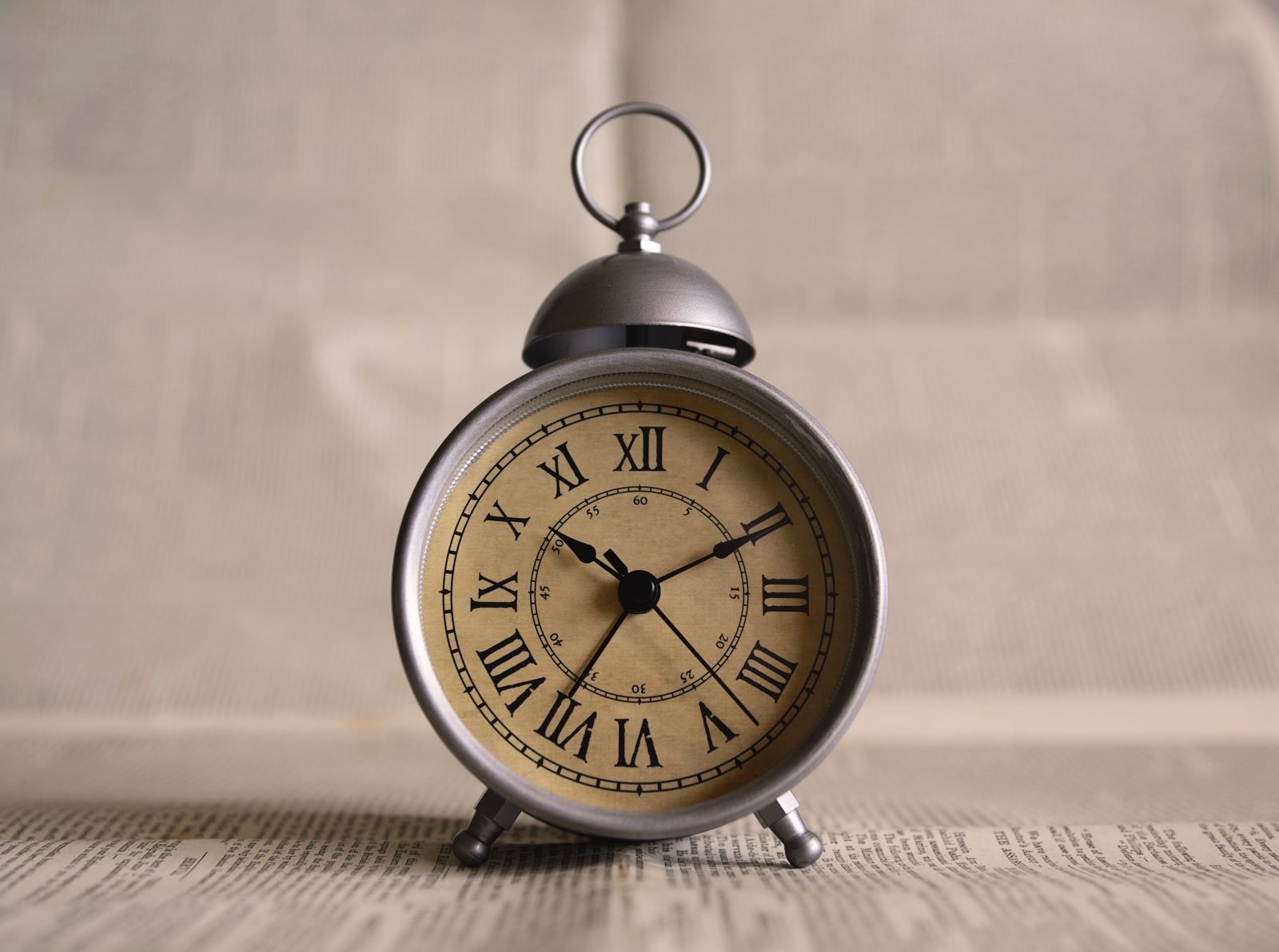
Photo: Ales Krivec, via Wikimedia Commons (CC0 1.0)
Sources
- https://www.usatoday.com/story/graphics/2026/10/22/fall-back-time-change-tips-to-sleep/91870814007/
- https://news.vumc.org/2026/10/27/daylight-saving-time-ends-nov-1-how-to-adjust-to-falling-back/
- https://www.mensjournal.com/health/daylight-saving-time-ends-november-1-but-doctors-warn-of-one-surprising-side-effect
Leave a comment
Comment as a guest and verify your email, or sign in or create a reader account. Guest comments reach our review queue after email verification; account holders can submit directly for review.