Listen to this article
Take the story with you. Choose a voice and a pace that suits you.
Or listen in another language / choose a voice
Getting your device voices ready…
The voice follows the displayed language and your browser’s regional preference when available. You can choose another narration voice.
The indefinite leave to remain changes 2026 would redraw the road to a settled life in Britain. Under the proposal from Home Secretary Shabana Mahmood, the standard five-year wait for settlement could become ten years, and as much as fifteen for some workers, according to VisaVerge’s summary of the proposals. Nothing in the core plan is law yet. That distinction — between a fierce argument and a finished rule — is where thousands of people now live, mid-route, counting years they thought they already knew.
Information verified through 31 October 2026.
Indefinite leave to remain changes 2026: proposed, not enacted
📚 Key terms
- Indefinite leave to remain — settlement: the status that lets a person live in Britain without a time limit on their stay.
- Earned settlement — the government’s name for the proposed model, in which settlement is demonstrated through earnings and contribution rather than simply waited out.
- Qualifying period — the years that count toward a settlement application; the fight is over how long it should be, and for whom.
- Long residence route — the existing ten-year path to settlement, which one proposal would close.
- Statement of Changes — the formal instrument through which the Immigration Rules are altered; the final policy is due to arrive through one.
- Transitional arrangements — the rules deciding how people already mid-route are treated when the policy changes under them.
Start with what has not happened. The Immigration Rules have not changed, and people who already qualify can still apply through the existing five-year routes or the ten-year long residence route, VisaVerge reported. The rule in force on the day someone applies will determine that application, Mahmood told the Home Affairs Committee, in remarks reported by VisaVerge.
One change is confirmed. From 26 March 2027, the English-language requirement for settlement rises from B1 to B2, and a Home Office written answer published on 21 October 2026 said the proposals would not change which routes count toward the qualifying period, according to VisaVerge. The Immigration Rules contain almost 70 routes, roughly 40 of which lead to settlement.
Everything else is still a schedule in a consultation. That consultation ran from 20 November 2025 to 12 February 2026 and drew more than 200,000 responses, VisaVerge reported. Ministers are still considering them.
Earned settlement UK: a ladder of 3 to 30 years
The model has a name: earned settlement UK, in the government’s phrase — settlement as something demonstrated, not simply waited out. The consultation schedule reported by VisaVerge sets a ten-year default, then sorts people by earnings, occupation and circumstances. Earnings above £125,140 could mean three years. Higher-skilled work above £50,270, or work as a qualified public-sector teacher, doctor or nurse, could mean five. Standard family visa holders would stay at five.
At the other end, the ladder gets steep. Lower-skilled roles, including care workers and teaching assistants, face fifteen years on the schedule. People granted asylum and benefit claimants face twenty. People who first entered the UK illegally face thirty, VisaVerge reported.
Other elements remain proposals rather than settled rules: B2 English for everyone, a minimum income of £12,570 for three to five years before applying, separate qualifying clocks for dependants, and closing the ten-year long residence route, according to VisaVerge. One proposal would apply the changes to people who arrived from 2021 onward, including people already in the UK without settlement. Home Office figures put the number who could become eligible for settlement between 2026 and 2030 at up to 1.6 million.
🔎 Look closely
The principals, in their own words:
“The home secretary is right, in my view, to bring forward changes that are based on the principle that settlement is a right to be earned, not just something that is granted automatically,”
— Prime Minister Andy Burnham, asked on ITV’s Good Morning Britain whether he agreed with extending the wait to fifteen years for some migrants
“based on the principle of compassion”
— Energy Secretary Miatta Fahnbulleh, telling Sky News what reform should rest on — while declining to endorse the fifteen-year figure itself
“never expected to be net economic contributors,”
— Home Secretary Shabana Mahmood, as previously reported, on care workers
The 15 year wait for settlement care workers face
The political fight has narrowed to one rung of that ladder: the 15 year wait for settlement care workers would face. More than 100 Labour MPs and leading unions oppose extending the care-worker wait, including for people nearing the end of their current five-year period, VisaVerge reported. In July, 80 MPs wrote to Prime Minister Andy Burnham urging him to dilute the legislation, warning Labour risked losing progressive voters.
Cabinet discomfort is on the record, not just whispered. Energy Secretary Miatta Fahnbulleh repeatedly refused to say she backed the plan to extend the wait to fifteen years, telling Sky News that reform should be “based on the principle of compassion” and recognise contribution, according to PA reporting in the Thetford and Brandon Times. She said she backed Mahmood “100%” while declining, again and again, to endorse the fifteen-year figure itself. Housing Secretary Angela Rayner had earlier attacked applying the reforms retrospectively, the same report noted.
The Home Office has argued that exempting care workers could prompt foreign staff to leave once visa conditions no longer bind them, and Mahmood has previously said care workers are “never expected to be net economic contributors,” VisaVerge reported. A reported option would exempt some health and care workers from the longer waits.
🕐 Timeline
- 20 November 2025 — the earned-settlement consultation opens
- 12 February 2026 — the consultation closes, with more than 200,000 responses received
- 15 September 2026 — Mahmood tells the Home Affairs Committee the final policy and transitional arrangements will be published later in 2026
- 21 October 2026 — a Home Office written answer confirms the one settled change: the B2 English requirement
- February 2027 — the first people who arrived in 2022 reach five years in the UK
- 26 March 2027 — the English-language requirement for settlement rises from B1 to B2
Shabana Mahmood settlement reforms and the prime minister’s line
Burnham’s position, stated plainly, is principle without full endorsement. Asked on ITV’s Good Morning Britain whether he agreed with extending the wait to fifteen years for some migrants, he told the programme he stood by the principle of what Mahmood had put forward, Reuters reported. “The home secretary is right, in my view, to bring forward changes that are based on the principle that settlement is a right to be earned, not just something that is granted automatically,” he said. “And she’ll set out the final conclusion soon.”
Soon has no date attached. On 15 September 2026 Mahmood told the Home Affairs Committee the final policy and transitional arrangements would be published later in 2026, in good time before February 2027 — when the first people who arrived in 2022 reach five years in the UK — and that the changes would come through a Statement of Changes to the Immigration Rules, VisaVerge reported. The Home Office said its response would come “in due course” and that no final decisions had been made on transitional arrangements.
Analysis: The delay is itself the story for anyone on a five-year clock. A person who arrived in early 2022 and planned a life around applying in early 2027 cannot yet know which rules will greet that application — only that the application-day rule governs, and that the government intends to have spoken by then. Until the statement lands, the honest advice embedded in every account above is the same: the current routes remain open, and they remain the only certainty on offer.
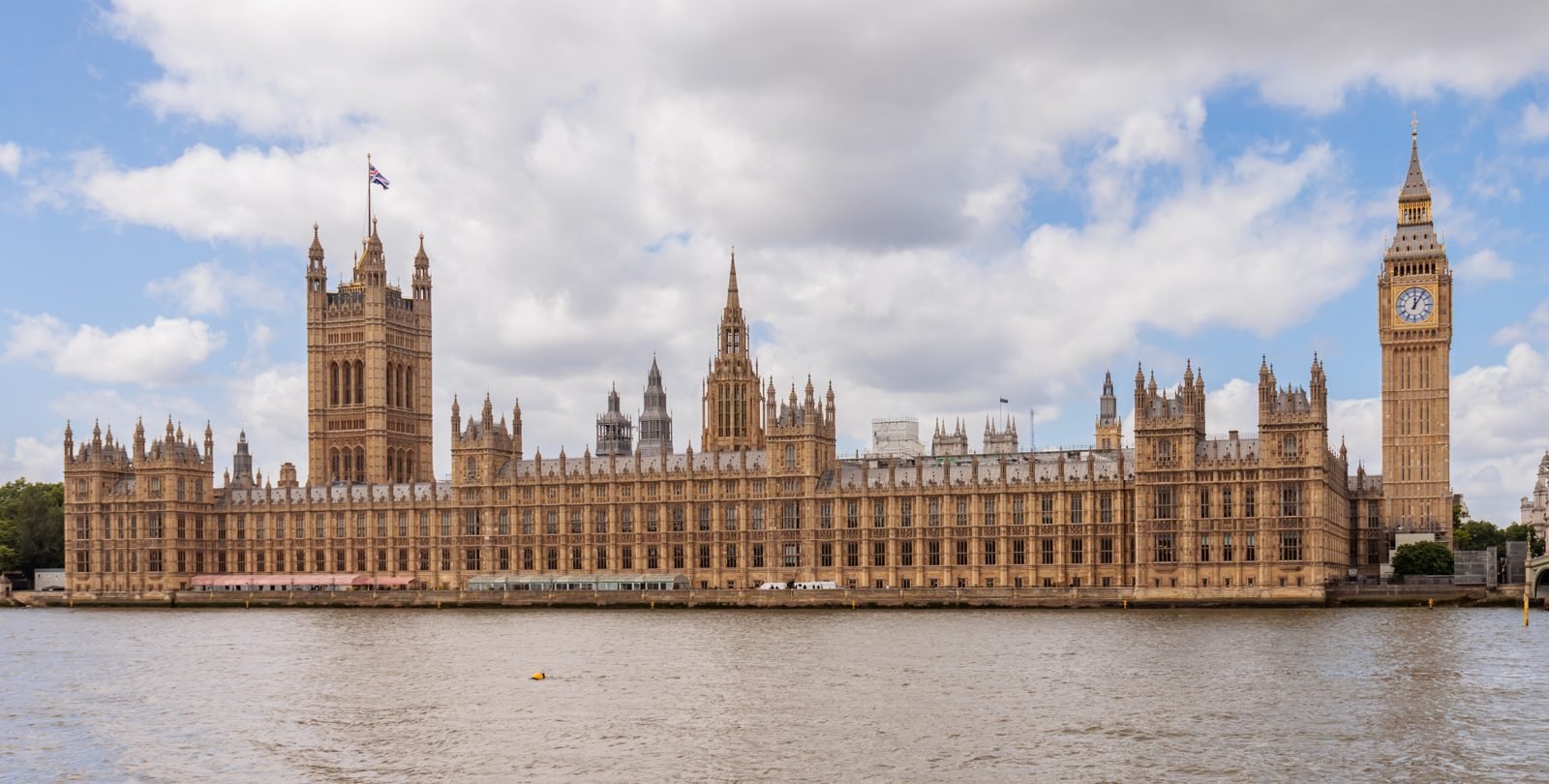
Photo: Terry Ott, via Wikimedia Commons (CC BY 2.0)
✏︎ Try this
If you or someone you advise is on a route to settlement, map it before the final policy lands:
- Write down the current route and the date it completes under the rules in force today. That remains the only certainty on offer.
- Find the proposed rung for that route on the 3-to-30-year ladder, and mark it clearly as a proposal, not a rule.
- Note the application-day principle: the rule in force on the day of applying is the one that will govern the application.
❓ Check your understanding
- What is the proposed default wait under earned settlement, and what wait could the highest earners face instead?
- What is the one change already confirmed, and from what date does it take effect?
- If the rules change while someone is mid-route, which set of rules decides their application?
Sources
- https://www.visaverge.com/ukimmigration/indefinite-leave-to-remain-reforms-may-be-watered-down-as-ministers-weigh-final-policy/
- https://hi99.com/2026/10/26/uks-burnham-says-he-agrees-with-principle-of-migration-reform/
- https://www.thetfordandbrandontimes.co.uk/news/national/26655867.fahnbulleh-declines-back-home-secretarys-plan-extend-wait-settlement/
Leave a comment
Comment as a guest and verify your email, or sign in or create a reader account. Guest comments reach our review queue after email verification; account holders can submit directly for review.