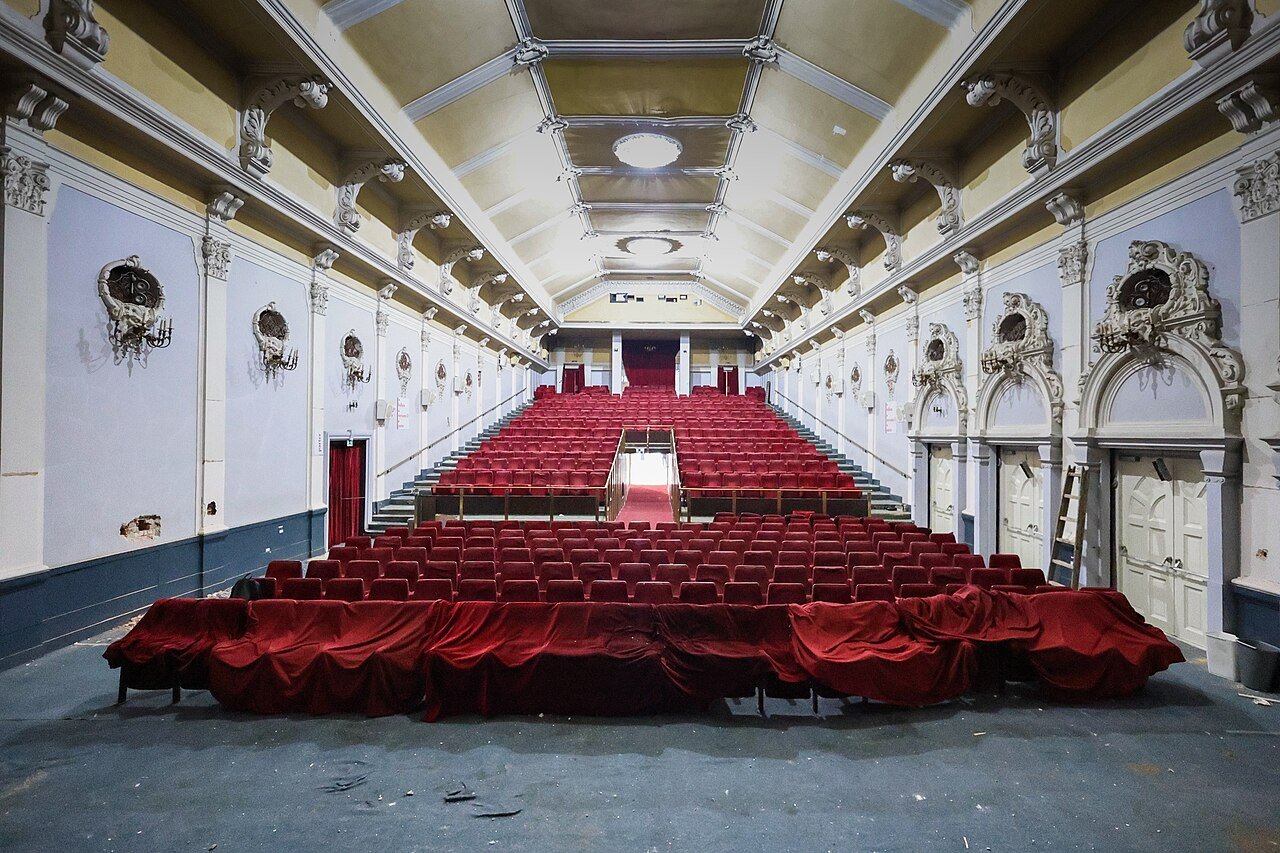

A long shot can feel empty when a viewer is waiting for the next piece of plot. Stay with it differently and the same duration may reveal a shifting sound, a repeated gesture, or a change in the relationship between a figure and a room. The challenge is partly one of expectation.
The British Film Institute’s guide to slow films offers a route into work associated with this kind of sustained attention, including Jacqueline Zünd’s Almost There from 2016. The selection is a starting point for exploration, not a claim that every film with a long take belongs to one uniform movement. [1]
Notice what a cut would remove
A useful viewing question is what the duration makes possible. Does waiting become part of the subject? Does the camera leave room to examine a space? Does an action acquire weight because its full effort remains visible? These questions give attention something specific to do.
They also leave room for criticism. Slowness is not automatically depth. A viewer can ask whether a formal choice earns its duration and what changes during it. Patience need not require abandoning judgment.
Give the first encounter a fair setting
A film whose effect depends on continuity may be difficult to encounter through constant interruptions. Choosing an attentive setting can help establish whether the work is engaging on its own terms. That is different from declaring one approved way to watch everything.
The reward, when the encounter works, is an altered sense of what can count as an event on screen. A face, a room, or a journey may hold attention without being compressed into its most informative moments. Slow cinema offers an invitation to test that possibility. The viewer is free to accept, resist, and ask what the time has made visible.