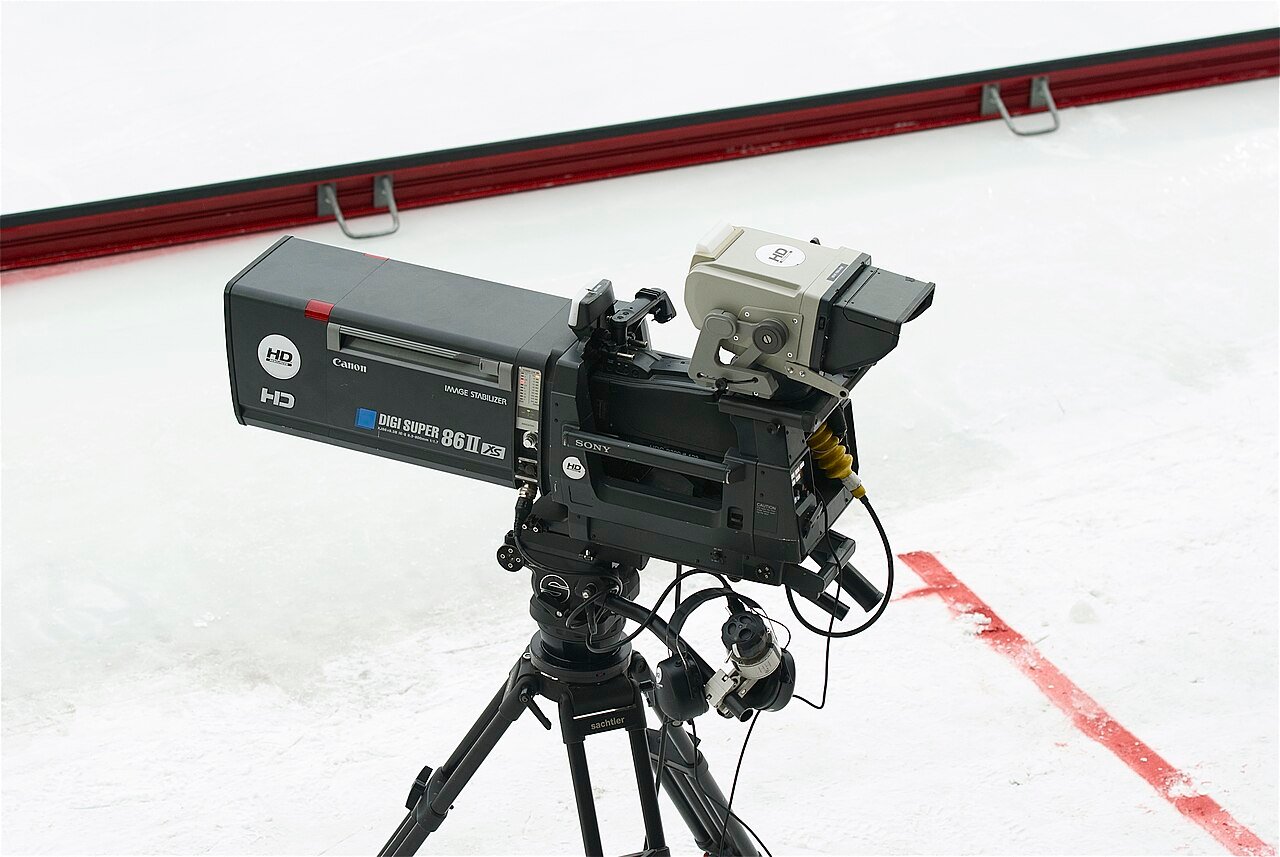

The awkward pause in a reality programme invites a familiar question: was that real? Often a more useful question is what made the pause possible. Someone arranged a meeting, placed cameras, asked questions, and chose the moment at which the sequence would end. A genuine reaction can occur inside a carefully constructed situation.
This is part of the form’s appeal. Viewers watch people make recognizable social choices under unusual pressure. Who interrupts? Who apologizes? Who knows how to turn embarrassment into a joke? The pleasure lies partly in interpreting conduct as if we were present in the room.
Editing creates a social world
Imagine a conversation shown once in full, then cut down to its sharpest exchanges. The words might all be authentic, yet the second version could make disagreement seem like the relationship’s defining condition. Selection does not require fabrication to influence interpretation.
That is why an apparent villain or peacemaker should be understood as a role constructed partly through what an audience is permitted to see. A participant still has agency, but viewers have incomplete access to the surrounding circumstances. The visible scene is evidence of that scene, not an exhaustive account of a person.
The audience joins the performance
Discussion after the programme can extend its judgments. A short clip becomes proof, a facial expression becomes a verdict, and a stranger’s character becomes a shared project. The speed of the response can leave little room for the uncertainty the format creates.
Watching critically does not require refusing the entertainment. It means keeping two kinds of attention active: interest in what the participants do and curiosity about how the programme makes those actions legible. Reality television becomes richer when “real” stops being a simple yes-or-no test and becomes a question about context, framing, and the limits of what we know.